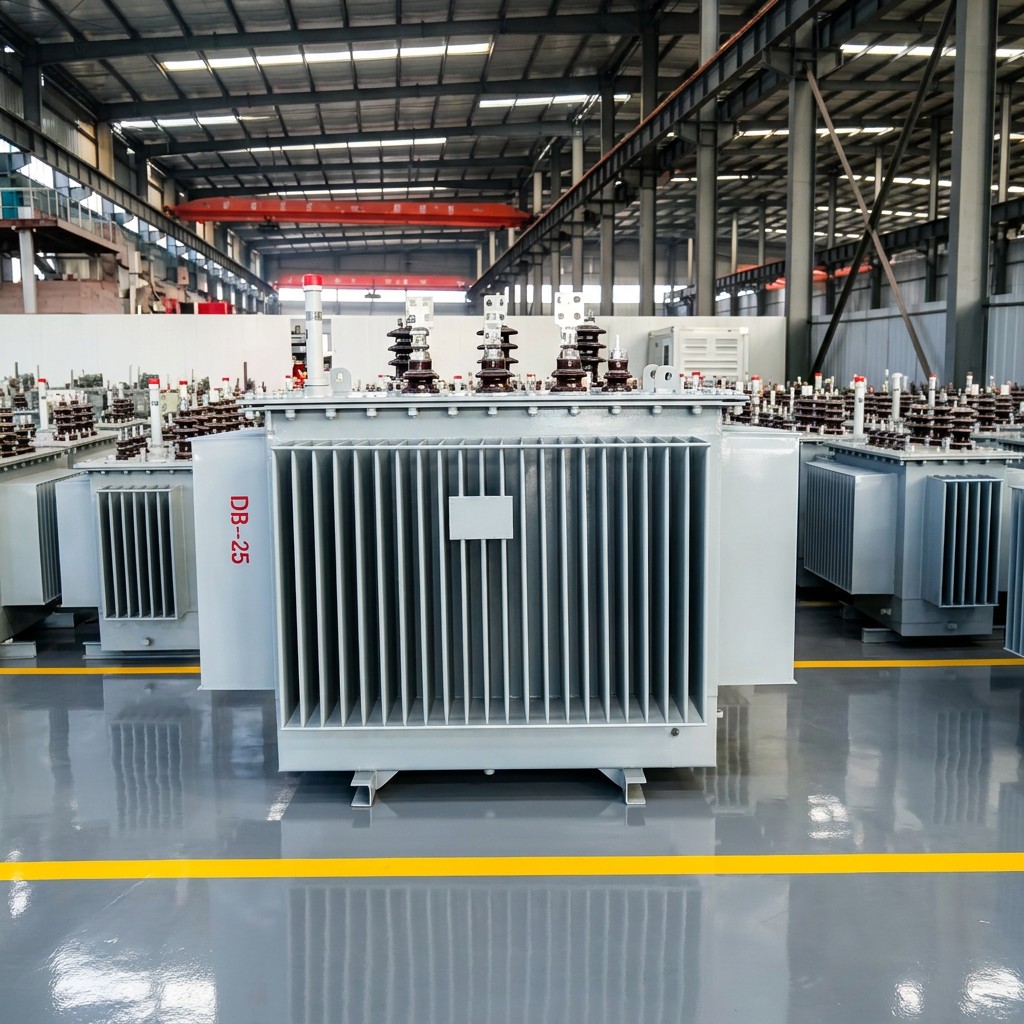
Planning cable entry for high and low voltage switchgear is a critical phase in electrical infrastructure design that directly impacts system reliability, safety, and long-term maintenance accessibility. Proper cable entry planning ensures that conductors are routed efficiently while maintaining compliance with industry standards and protecting equipment from environmental hazards. Whether you are designing a new substation, upgrading an existing facility, or retrofitting industrial equipment, the approach to cable entry must account for voltage ratings, conductor sizes, environmental conditions, and future expansion needs. A well-executed cable entry strategy reduces installation downtime, minimizes troubleshooting costs, and extends the operational life of your electrical assets.

The complexity of cable entry for high and low voltage switchgear varies significantly based on equipment type, voltage classification, and site-specific constraints. Medium-voltage and low-voltage systems require different routing methodologies, cable support mechanisms, and thermal management considerations. High-voltage installations demand additional space allocation for cable bends, insulation clearances, and separation from grounding points. Understanding these distinctions helps electrical engineers and facility managers make informed decisions during the planning stage, reducing costly design revisions and installation delays.
Understanding Cable Entry Layout Requirements
Voltage-Based Cable Entry Considerations
High and low voltage switchgear installations require distinctly different cable entry approaches due to insulation standards, arc flash hazards, and clearance regulations. Low-voltage systems typically operate below 1000 volts and allow for more compact cable entry designs with standard conduit routing. However, medium and high-voltage equipment demands significantly larger entry points, reinforced cable terminations, and enhanced spacing between phase conductors. The cable entry must accommodate the physical dimensions of insulated conductors while maintaining minimum clearance distances prescribed by IEC, NEMA, and local electrical codes. When planning cable entry, engineers must verify that conductor bundles do not exceed thermal limits within confined spaces and that termination points provide adequate mechanical support.
Environmental and Spatial Factors
Cable entry layout planning must account for environmental exposure, moisture ingress, temperature extremes, and potential mechanical damage. Outdoor installations require weatherproof entry designs with integrated drainage and ventilation to prevent condensation buildup inside switchgear enclosures. Indoor industrial environments may expose cable entry points to vibration, chemical spray, or dust accumulation, necessitating sealed entry systems with protective barriers. The spatial layout must also consider future maintenance access, allowing technicians to safely disconnect and reconnect cables without dismantling entire switchgear sections. Underground cable entry installations present additional challenges related to soil settlement, water table fluctuations, and thermal dissipation.
Installation Best Practices for Cable Termination
Cable Routing and Support Infrastructure
Proper cable installation begins with establishing a clear routing path from source to high and low voltage switchgear entry points, minimizing horizontal runs and eliminating sharp bends that could compromise conductor integrity. Cable trays, conduit systems, and ladder supports must be sized appropriately for conductor cross-sections and installed to maintain minimum bend radius specifications. For high-voltage systems, cable support intervals typically range from 0.6 to 1.2 meters depending on conductor size and insulation type, while low-voltage installations may tolerate longer spans. The installation team must segregate power cables from signal and communication cables by maintaining minimum separation distances, typically 300 mm for unshielded circuits. Mechanical protection becomes critical where cables cross walkways, equipment access areas, or zones with potential impact hazards. Cable entry sleeves and bushings must be rated for the specific voltage level and installed with proper grounding to prevent potential fault paths.
Termination and Connection Protocols
Cable termination quality directly determines long-term performance and safety of high and low voltage switchgear systems. Each conductor must be terminated using appropriate lugs, connectors, or compression sleeves rated for the cable gauge and voltage class. Termination points require torque verification to ensure mechanical integrity without over-tightening, which could damage copper connectors or crush insulation. For three-phase systems, color-coding and phase sequence verification are mandatory before energization to prevent equipment damage and personnel hazard. The installation layout should position termination areas with sufficient working space for future maintenance, typically requiring clearance of at least 1 meter in front of termination points.
Design Optimization and Future Expansion Planning
Capacity Margin and Growth Considerations
Strategic cable entry planning incorporates capacity headroom for future system expansion, equipment upgrades, or circuit additions. A well-designed layout allocates spare conduit runs or cable tray sections exceeding current load by 20 to 30 percent, reducing costly retrofitting when operational demands increase. High and low voltage switchgear installations should include documentation of available entry capacity, cable gauge utilization, and thermal margin information to guide future work. This planning approach simplifies commissioning of additional circuits and minimizes disruption to existing services during expansion projects. Designers must also evaluate modular entry designs that permit incremental increases in cable termination capacity without complete system reconfiguration.
Documentation and Compliance
Comprehensive cable entry documentation establishes a baseline for maintenance teams and engineers involved in future modifications or troubleshooting. Layout drawings must clearly identify all cable entry points, conductor routing paths, termination schedules, and grounding connections associated with high and low voltage switchgear installations. Compliance verification ensures that installation practices align with applicable electrical codes, manufacturer specifications, and site-specific safety requirements. Cable entry records should include insulation test results, continuity verification, and phase identification data collected during commissioning. Regular audits of cable entry infrastructure help identify aging components, thermal stress indicators, or degradation patterns requiring preventive maintenance.
FAQ
What is the minimum clearance distance required for cable entry near high and low voltage switchgear?
Minimum clearance distances depend on voltage classification and conductor insulation type. Typically, high-voltage systems require 50 to 100 mm clearance between phase conductors and grounded surfaces, while low-voltage installations may operate safely with 25 to 50 mm spacing. Always verify specific clearance requirements in manufacturer documentation and relevant electrical codes for your application.
How does thermal management influence cable entry planning for switchgear installations?
Thermal management directly impacts cable entry layout because conductors generate heat during operation, and confined entry spaces can restrict heat dissipation. Cable entry design must allow adequate air circulation around termination points and avoid bundling large conductor quantities in restrictive conduit sections. Thermal analysis during the planning phase helps identify potential hotspots and informs decisions about cable spacing, insulation type, and forced-air cooling requirements.
What documentation should be maintained for cable entry systems serving high and low voltage switchgear?
Essential documentation includes detailed layout drawings showing all cable entry routes, termination point locations, conductor gauges, and phase identification. Commissioning records with insulation test results, continuity measurements, and thermal imaging data provide a baseline for comparison during future maintenance cycles. Maintenance logs tracking any cable work, repairs, or modifications help ensure system integrity and support compliance audits.

 EN