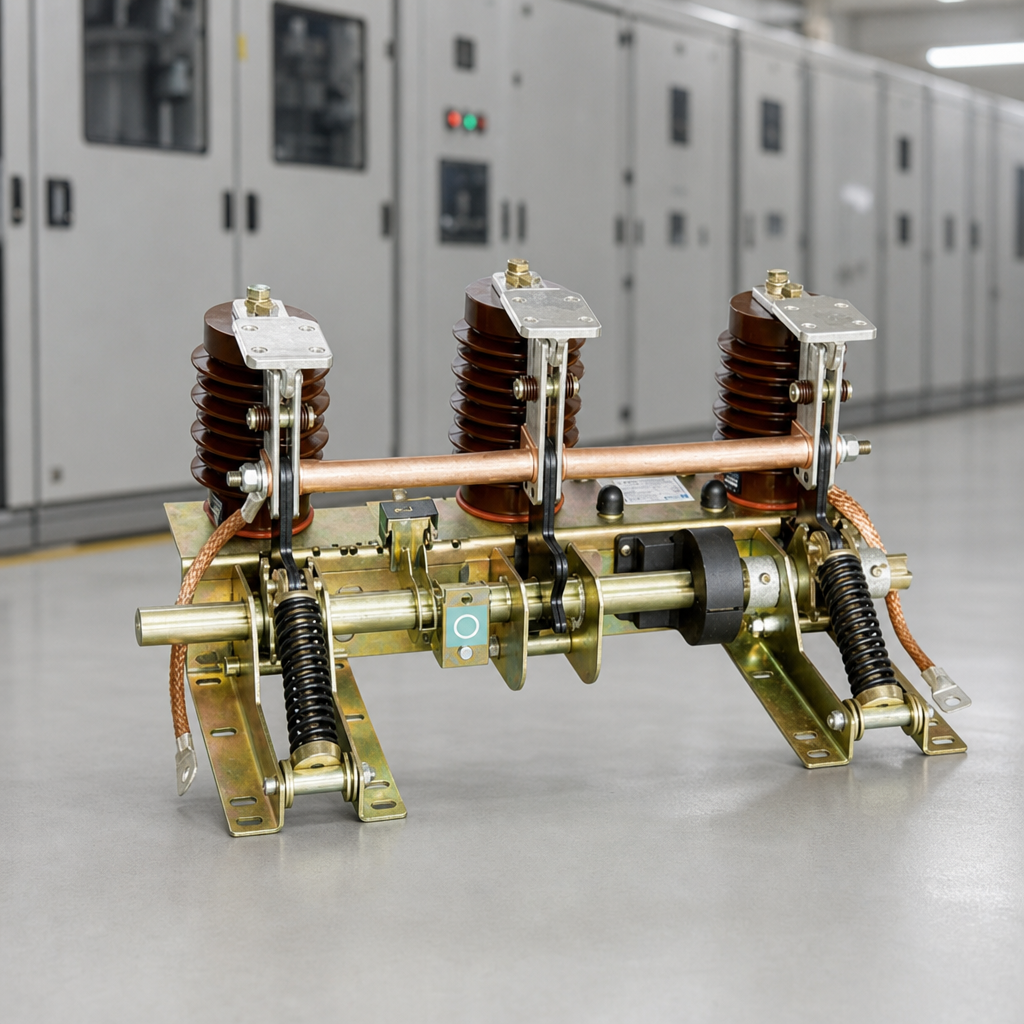
Transporting an oil immersed transformer is a critical logistics operation that demands careful handling and rigorous post-arrival assessment. Once your equipment reaches its destination, systematic transport inspection procedures are essential to ensure the unit remains safe, functional, and ready for commissioning. Buyers often underestimate the importance of these verification steps, yet they directly influence equipment lifespan, operational safety, and warranty compliance.
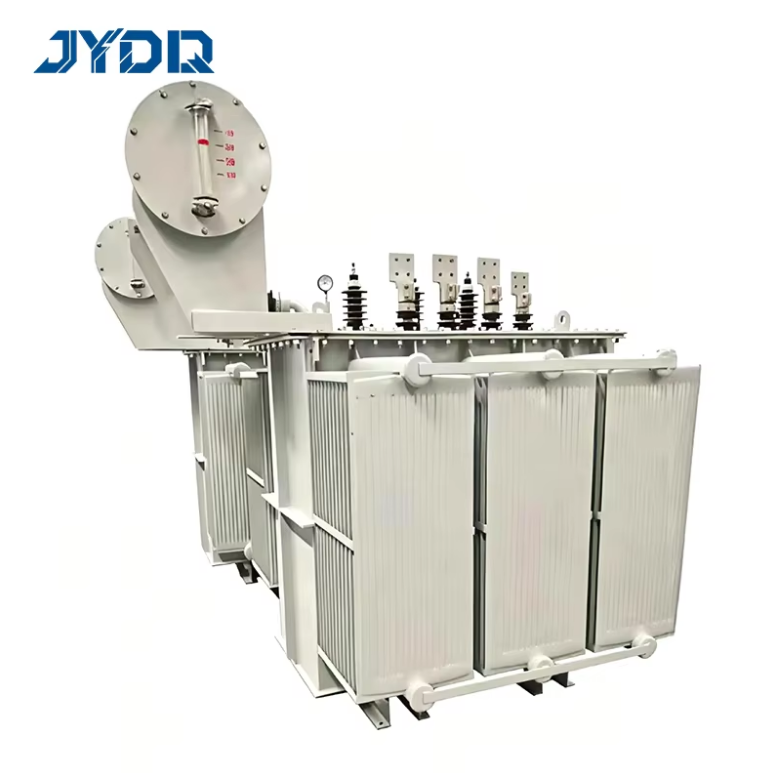
After shipping, your transformer requires comprehensive evaluation across structural integrity, fluid condition, electrical parameters, and operational readiness. This article details the specific checks that buyers should perform or request from qualified technicians following transport and before initiating commissioning procedures. Understanding these inspection requirements protects your investment and ensures reliable performance throughout the transformer's operational life.
Structural and Mechanical Integrity Assessment
Physical Damage Evaluation
Inspect the external casing of your oil immersed transformer for visible dents, cracks, bent fins, or paint damage that might indicate rough handling during transport. Check all mounting feet and brackets for misalignment, corrosion, or deformation. Examine the tank welds and seams carefully under adequate lighting, looking for any hairline fractures or signs of stress. Document any damage with photographs before proceeding with further inspections, as this creates a record for warranty claims if necessary.
Mechanical Component Condition
Verify that all mechanical components, including cooling fans, pumps, valves, and gauges, remain intact and properly fastened after shipping. Rotate the cooling fan blades by hand to ensure smooth movement without grinding sounds or resistance. Check that all bolts, connectors, and fasteners are tight and show no signs of loosening. Test the operation of manual isolation valves and drain plugs to confirm they move freely without sticking or leaking. These mechanical elements directly support the transport inspection process and determine whether your equipment can safely progress toward commissioning.
Oil Quality and Fluid System Verification
Visual Oil Inspection
Examine the insulating oil inside the transformer tank for discoloration, cloudiness, or suspended particles that might indicate contamination during transport. Look through the oil level gauge to assess clarity and color consistency. Check the oil level itself against the marked specifications for your specific transformer model, accounting for temperature variations. If the oil appears dark, murky, or contains visible sediment, it may require filtration or replacement before commissioning begins. Many transport issues manifest as oil degradation, making this visual assessment a critical part of post-arrival verification.
Fluid System Integrity Testing
Perform a comprehensive fluid analysis including breakdown voltage, moisture content, and acid number testing on an oil sample extracted after transport. Measure the oil's dielectric strength to confirm it meets or exceeds minimum specification requirements. Check for water contamination, which can accumulate during transport if seals are compromised. Inspect all gaskets, seals, and connection points for leaks or weeping. Verify that breather cartridges are clean and functional, as these components prevent atmospheric moisture from entering the tank during transport, shipping, and storage periods.
Electrical Parameters and Commissioning Readiness
Winding Resistance and Insulation Testing
Measure the insulation resistance of all windings to ground and between phases using a high-voltage insulation tester before commissioning your oil immersed transformer. Record winding resistance values at the same temperature for comparison against factory baseline data. Perform a turns ratio test to verify that winding geometry and connection integrity remain unchanged from transport. These electrical tests identify internal damage or winding movement that might not be visible during external inspection. Documentation of these measurements becomes essential baseline data for future maintenance and condition monitoring programs.
Grounding and Connection Verification
Verify that all grounding connections and earthing straps remain firmly attached and show no corrosion or physical damage. Test the continuity of neutral connections and ground paths using a low-resistance ohmmeter. Inspect all terminal connections, bushings, and incoming cable lugs for looseness or oxidation. Confirm that tap changer connections and selector switches move smoothly through their full range. These commissioning readiness checks ensure electrical safety and system reliability when your transformer enters service. Loose connections directly increase risk of overheating and operational failure.
Documentation and Final Assessment
Test Records and Compliance Verification
Compile all test results, visual inspection photos, and measurement data into a comprehensive post-transport inspection report. Compare findings against the manufacturer's original factory test data and equipment specifications. Verify that the shipping documentation matches the installed equipment, confirming serial numbers, rated specifications, and cooling configuration. Prepare detailed records showing that your oil immersed transformer successfully passed all transport inspection protocols. This documentation supports warranty claims, regulatory compliance reporting, and future maintenance interval planning.
Remedial Actions and Next Steps
If any transport inspection findings reveal deficiencies, initiate corrective measures before commissioning begins. Schedule oil regeneration, seal replacement, or component repair through qualified service providers. For minor issues like loose bolts or minor surface corrosion, document the remedial work performed. Obtain final approval from the equipment manufacturer or authorized service center confirming readiness for commissioning. Only after successful completion of all transport inspection requirements should your oil immersed transformer proceed to installation, energization, and operational service.
FAQ
How soon after transport should I perform shipping inspection checks on my transformer?
Inspection should begin within 24 to 48 hours of arrival while the transformer remains in controlled conditions and before any commissioning work begins. Prompt assessment prevents secondary damage from weathering or environmental contamination and enables rapid resolution of transport-related issues. Delaying inspection beyond this window may complicate damage documentation and warranty claim processes.
What are the most critical measurements required during post-transport inspection before commissioning?
The essential tests include insulation resistance measurements for all windings, dielectric breakdown voltage of the oil, moisture content analysis, turns ratio verification, and winding resistance recording. These commissioning readiness parameters directly indicate whether internal damage occurred during shipping and whether the transformer can safely enter service. Oil quality testing is particularly important because it reveals contamination or degradation during transport that visual inspection might miss.
Can I perform transport inspection myself or must I hire a qualified technician?
Visual inspection of the external casing, mechanical components, and oil level can be performed by trained facility staff, but electrical testing and fluid analysis require specialized equipment and qualified technicians certified for oil immersed transformer work. Professional testing ensures compliance with industry standards and produces credible documentation for warranty and regulatory purposes. Many manufacturers include post-shipping inspection as part of their commissioning service offerings.

 EN