Understanding the role of tap changers in modern industrial equipment is crucial for buyers evaluating power distribution systems. A tap changer is a critical component within a transformer that enables voltage adjustment without interrupting the primary circuit operation. This mechanism allows operators to fine-tune output voltage levels, maintaining consistent power delivery across varying load conditions. For procurement teams and facility managers, knowing how tap changers function directly impacts equipment selection, operational reliability, and long-term maintenance costs.
The functionality of a tap changer directly influences transformer performance in demanding industrial environments. When voltage fluctuations occur due to load changes or supply variations, the tap changer automatically or manually adjusts the transformer secondary winding connections to maintain stable voltage output. This voltage adjustment capability prevents equipment damage, reduces energy losses, and extends operational lifespan. Buyers must understand both the mechanical and electrical aspects of tap changers to make informed purchasing decisions aligned with their facility requirements.
Understanding Tap Changer Mechanics and Design
Core Components and Operating Principles
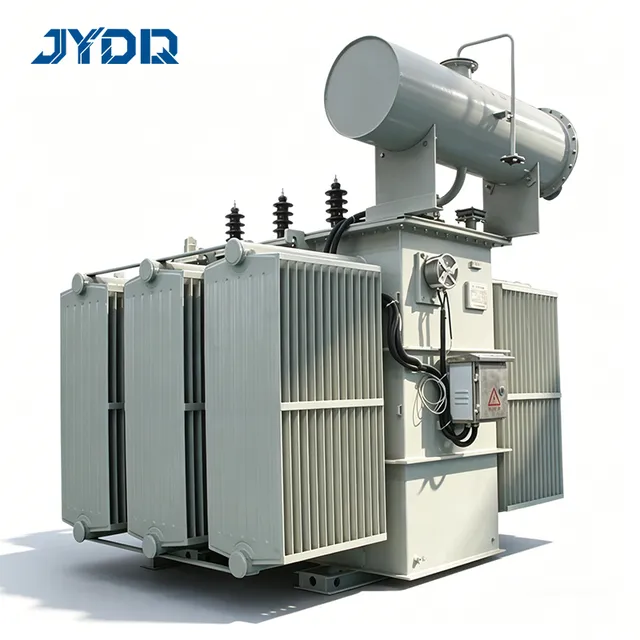
A tap changer consists of a selector mechanism, a tap switch, and resistors arranged to provide multiple voltage connection points. The selector moves across these tap positions, creating different turns ratios within the transformer winding. This design allows operators to select from multiple voltage levels without de-energizing the equipment. Understanding how these mechanical elements work together helps buyers evaluate equipment durability and maintenance requirements during procurement processes.
Manual Versus Automatic Operation
Manual tap changers require operator intervention to adjust voltage levels, offering a cost-effective solution for facilities where voltage fluctuations are infrequent and predictable. Automatic load tap changers use sensing mechanisms and motorized actuators to perform voltage adjustment continuously, ideal for environments experiencing rapid load changes. Buyers must assess their operational environment to determine which type suits their needs. Automatic systems provide superior stability and eliminate human response delays, though they require higher initial investment and more sophisticated maintenance protocols.
Voltage Adjustment Capabilities and Industrial Applications
Practical Voltage Regulation Functions
The voltage adjustment feature enables transformers to maintain output within specified ranges, typically ±10 percent of nominal voltage, depending on the tap changer design. Industrial facilities with sensitive equipment require precise voltage control to prevent operational failures and data corruption. The transformer tap changer compensates for supply-side voltage variations, protecting downstream systems and reducing stress on connected equipment. This regulatory capability becomes essential in remote locations or areas with unstable grid conditions where voltage deviations occur frequently.
Application Scenarios Across Industry Sectors
Manufacturing plants, data centers, and utility substations all rely on tap changer voltage adjustment to maintain operational continuity. Heavy industrial processes producing welding, smelting, or semiconductor fabrication require stable power delivery. Commercial applications including hospitals, financial institutions, and telecommunications networks depend on consistent voltage regulation for mission-critical operations. Buyers evaluating equipment for these sectors must prioritize tap changer specifications that align with their facility's load profile and voltage sensitivity requirements.
Selection Criteria and Maintenance Considerations
Key Performance Specifications
When selecting a transformer with tap changer capabilities, buyers should examine switching frequency, response time, and the number of available tap positions. Switching frequency indicates how often the mechanism can safely change positions without mechanical wear. Response time affects how quickly the system reacts to voltage fluctuations. The number of tap positions determines the granularity of voltage adjustment available. These specifications directly impact equipment lifespan, reliability, and suitability for specific industrial environments requiring different levels of voltage regulation intensity.
Maintenance and Operational Planning
Tap changers require periodic inspection, contact cleaning, and lubricant replacement to maintain proper function. Automatic systems demand more sophisticated maintenance protocols compared to manual alternatives. Buyers should factor maintenance accessibility, spare parts availability, and technical support into their procurement decisions. Establishing preventive maintenance schedules ensures reliable transformer operation and extends equipment life. Understanding maintenance requirements prevents unexpected downtime and helps facilities plan capital budgets more accurately across multiple equipment lifecycles.
FAQ
Why do industrial transformers need tap changer functionality?
Industrial transformers require tap changer voltage adjustment to counteract supply-side voltage fluctuations and load-induced variations. Without this capability, voltage deviations can damage sensitive equipment, reduce efficiency, and increase operational costs. Tap changers enable facilities to maintain voltage within acceptable ranges automatically or manually, protecting valuable assets and ensuring consistent equipment performance across varying conditions.
How does transformer operation depend on proper tap changer selection?
Transformer operation quality directly correlates with tap changer appropriateness for the specific application. Automatic systems provide superior performance in dynamic environments, while manual changers suit stable conditions with infrequent voltage changes. Choosing equipment mismatched to actual facility needs results in poor voltage regulation, increased maintenance demands, and premature equipment replacement. Proper selection ensures optimal transformer operation, longevity, and cost efficiency throughout the equipment lifecycle.
What distinguishes manual from automatic tap changer systems?
Manual tap changers require operator action for voltage adjustment and are less expensive but less responsive to rapid voltage changes. Automatic systems monitor voltage continuously and adjust settings without human intervention, providing superior performance in dynamic environments but requiring higher investment and more intensive maintenance. The choice between manual and automatic tap changer types depends on facility voltage stability, staffing availability, and budget constraints specific to each industrial operation.

 EN