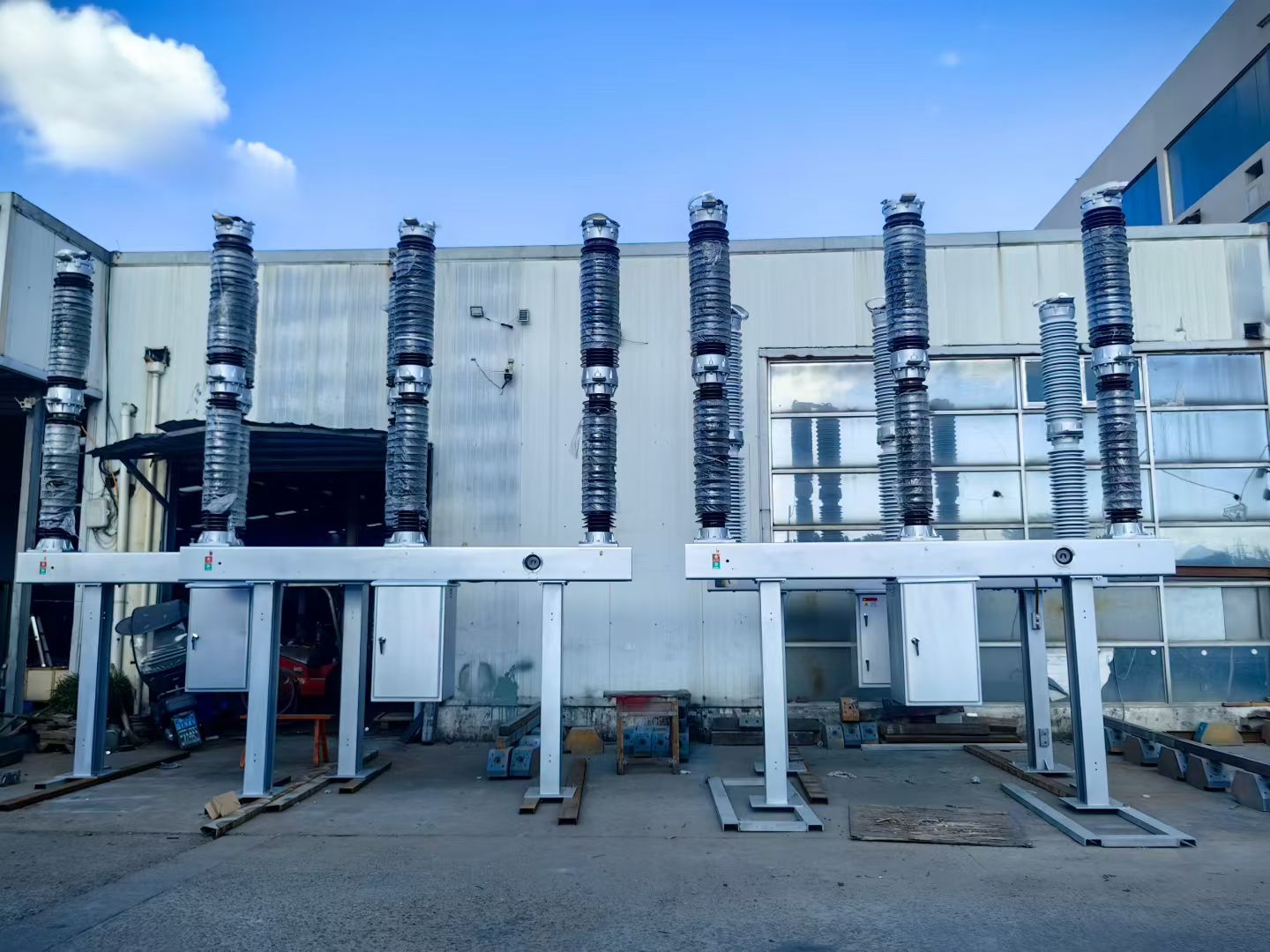
Understanding what drives the cost of an oil immersed transformer is essential for industrial procurement teams, facility managers, and engineers planning long-term electrical infrastructure investments. The transformer price varies significantly based on multiple interconnected factors that extend far beyond simple size considerations. By recognizing these pricing drivers, decision-makers can better forecast budgets, negotiate effectively with suppliers, and select equipment that delivers optimal value for their specific operational needs.
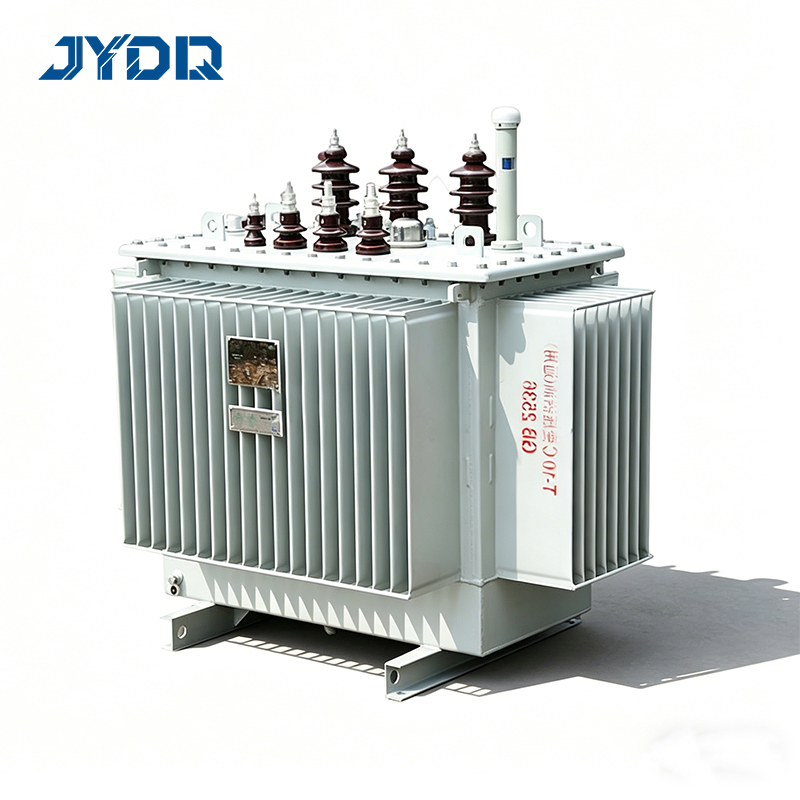
The relationship between these pricing factors and final cost is rarely linear, and manufacturers must account for engineering complexity, material sourcing, regulatory compliance, and market demand when setting prices. An informed buyer recognizes that the lowest quote does not always represent the best investment when performance, reliability, and lifecycle costs are considered. This comprehensive guide explores the primary factors that influence pricing, helping you navigate the purchasing process with confidence and technical clarity.
Core Technical Specifications and Their Impact on Cost
Power Rating and Capacity Considerations
The capacity of an oil immersed transformer stands as the most fundamental pricing determinant. Measured in megavolt-amperes (MVA), capacity directly correlates with material volume, winding complexity, and manufacturing labor required. A 10 MVA unit requires substantially more copper, steel, and insulating oil than a 5 MVA transformer, driving proportionally higher transformer price levels. Similarly, a 50 MVA transformer demands advanced manufacturing techniques and quality control measures that exceed the requirements for smaller units, further escalating costs.
The relationship between capacity and cost is not perfectly linear because certain manufacturing efficiencies emerge at specific production scales. However, doubling transformer capacity typically increases the transformer price by 60 to 80 percent, accounting for both material increases and enhanced engineering demands. Procurement teams must carefully evaluate whether higher capacity offers genuine operational advantages or represents unnecessary financial burden.
Voltage Class and Design Specifications
Voltage classification significantly affects technical specification complexity and pricing. Step-up transformers, step-down transformers, and distribution transformers operating at different voltage levels require distinct winding configurations, insulation systems, and cooling arrangements. A distribution transformer rated at 33 kilovolts carries a markedly different transformer price than an identical capacity unit rated for 11 kilovolts because higher voltage demands superior insulation materials and more sophisticated internal geometry to manage electrical stress safely.
The technical specification layers multiply when specialized applications demand particular performance characteristics. Short-circuit impedance ratings, noise levels, temperature rise profiles, and harmonic distortion tolerances all represent engineering decisions that influence cost. A transformer engineered for sensitive industrial environments with low noise and minimal harmonics commands a premium over a standard general-purpose design, reflecting the additional testing, component selection, and validation required.
Material Quality and Manufacturing Standards
Copper Versus Aluminum Winding Choices
Material selection directly determines both performance characteristics and cost structure. High-purity copper windings provide superior electrical conductivity and lower losses than aluminum alternatives, but copper commands substantially higher material costs. A transformer price for a copper-wound unit typically exceeds an aluminum-equivalent by 15 to 25 percent, depending on current copper market rates and winding mass requirements. Industrial applications requiring maximum efficiency and minimum heat dissipation justify copper investments, while lower-demand applications may accept aluminum's cost advantages despite marginally higher operational losses.
The choice between materials also affects transformer price through lifecycle operational costs rather than purchase price alone. Lower-loss copper windings reduce cooling system demands, decrease energy waste, and extend equipment lifespan in continuous-duty industrial settings. A facility operating transformers for 20 years may recover the initial cost premium through energy savings and reduced maintenance, making the higher initial transformer price economically rational despite appearing expensive in isolation.
Oil Type and Environmental Compliance
The mineral oil formulation and environmental compliance specifications substantially influence pricing. Mineral oil remains the cost-effective standard for most applications, but silicone-based oils, ester-based fluids, and biodegradable alternatives carry 40 to 60 percent higher material costs while offering superior fire resistance, environmental safety, and thermal stability. Transformers installed near water bodies, in sensitive ecological zones, or within strict environmental regulations typically require premium oil formulations, increasing the transformer price accordingly and reflecting genuine risk mitigation value.
Procurement specifications increasingly demand environmental compliance features such as sealed tank designs, enhanced spill containment provisions, and monitoring systems for early fault detection. These additions contribute meaningfully to capacity and technical specification costs but provide regulatory assurance and operational safety benefits that justify the investment across most industrial applications.
Manufacturing Complexity and Market Dynamics
Cooling System Requirements and Efficiency Ratings
Transformer cooling methodology drives significant cost variations, particularly when capacity demands exceed natural circulation cooling limits. Oil-immersed transformers may employ natural circulation (ONAN), oil circulation with fan cooling (ONAF), or forced circulation with forced air cooling (OFAF) depending on duty cycle and heat dissipation requirements. Each cooling escalation increases transformer price through additional pump systems, fan assemblies, control electronics, and system integration labor. A high-efficiency OFAF unit suitable for continuous peak loading carries a 30 to 45 percent premium over a basic ONAN alternative serving intermittent duty applications.
Energy efficiency standards and loss regulations further influence capacity and technical specification cost considerations. Modern transformers must meet specified no-load loss and full-load loss targets that improve overall system efficiency but demand better core materials, winding designs, and manufacturing precision. These efficiency investments increase transformer price but provide long-term operational cost reductions through reduced electricity consumption, payable over the transformer's 25 to 30 year operational lifespan.
Customization and Lead Time Factors
Standard off-the-shelf transformer configurations command lower transformer price levels than customized designs engineered for specific applications. When capacity requirements fall outside typical manufactured ranges or when technical specification demands necessitate non-standard components, manufacturers apply customization premiums reflecting additional engineering, design iteration, and production scheduling adjustments. Rush order transformer price quotes typically include 15 to 30 percent surcharges for expedited manufacturing, reflecting production reorganization costs and potential quality control compromises.
The global supply chain influences transformer price through material availability, labor costs, and transportation expenses. Transformers sourced from regions with established manufacturing infrastructure often deliver better value than single-unit custom builds requiring special material sourcing or extended procurement cycles. Facilities planning major capital equipment installations benefit from advance sourcing discussions with manufacturers, enabling optimal scheduling and cost management before firm purchase orders.
FAQ
What role does transformer price play in total cost of ownership?
The purchase price represents only one component of total cost of ownership for industrial transformers. Operational efficiency, maintenance requirements, downtime risks, and replacement cycle costs must be analyzed over the 25 to 30 year expected lifespan to determine true economic value. A transformer price 10 percent higher initially may generate 30 to 40 percent lifecycle savings through reduced energy consumption and extended service intervals, making it the superior financial choice despite appearing expensive in purchasing budget discussions.
How does capacity affect transformer price compared to other technical factors?
Capacity represents the primary pricing determinant, typically accounting for 40 to 50 percent of total transformer price variation between different units. The remaining pricing factors, including voltage class, cooling system, material quality, and efficiency ratings, collectively contribute to the secondary cost structure. Understanding this hierarchy helps procurement teams prioritize cost-benefit analysis, recognizing that capacity optimization deserves primary focus before optimizing secondary technical specification factors.
Can technical specification changes reduce transformer price without sacrificing reliability?
Careful specification review frequently identifies opportunities for cost optimization without compromising reliability or performance. Selecting standard voltage classes rather than unusual ratings, matching cooling system capacity precisely to duty cycle requirements, and choosing mineral oil instead of premium alternatives when environmental regulations permit can reduce transformer price by 15 to 25 percent. However, cost reductions must never compromise core performance requirements or create operational risks that generate future replacement costs or downtime expenses.

 EN