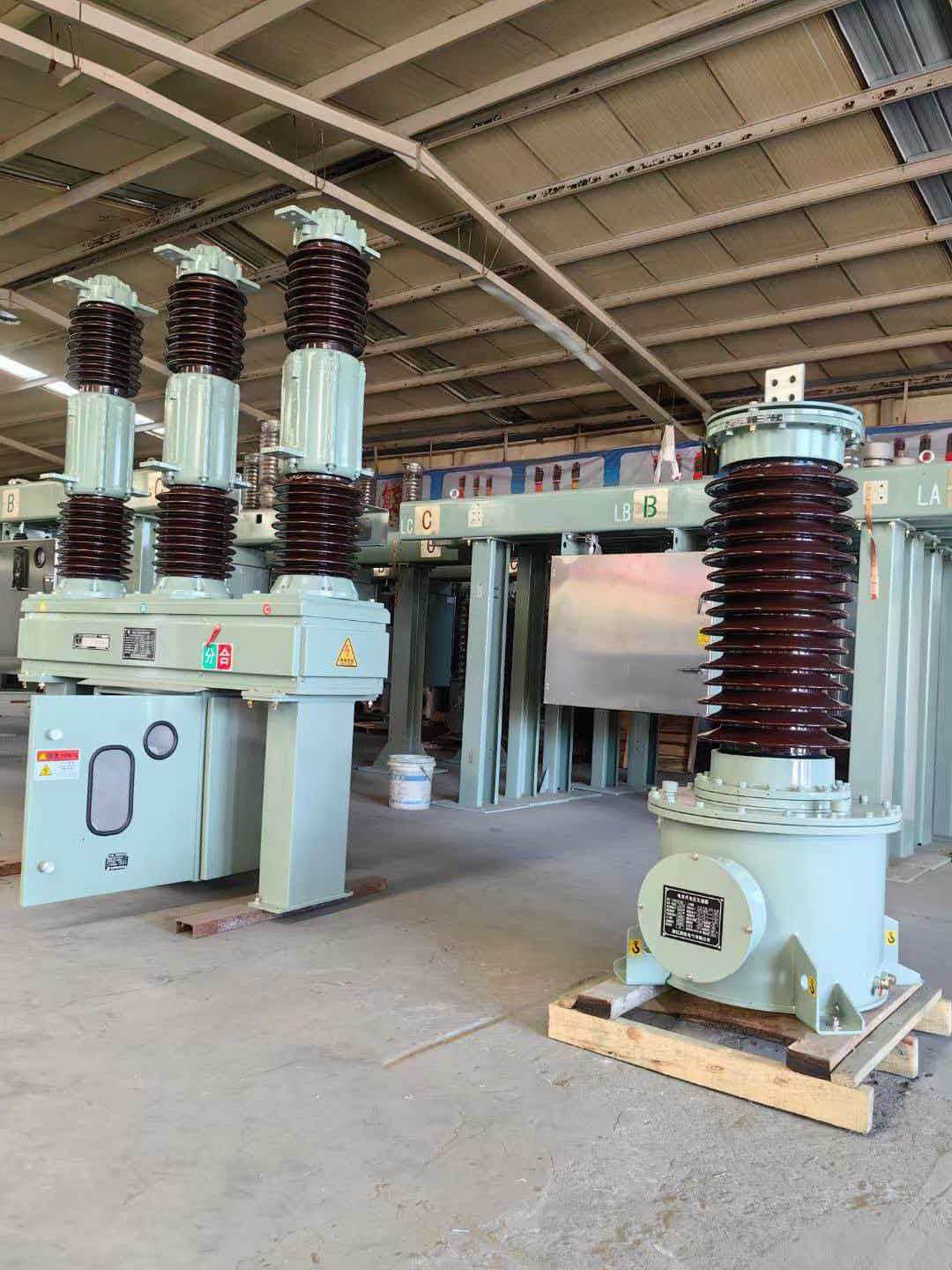
Commissioning an oil immersed transformer is a critical phase that determines whether the equipment will operate safely and reliably within your substation infrastructure. Before energizing any oil immersed transformer, a thorough inspection and comprehensive testing protocol must be executed to identify potential defects, ensure proper installation, and verify performance specifications. This process protects both the equipment investment and the operational integrity of the entire power system.
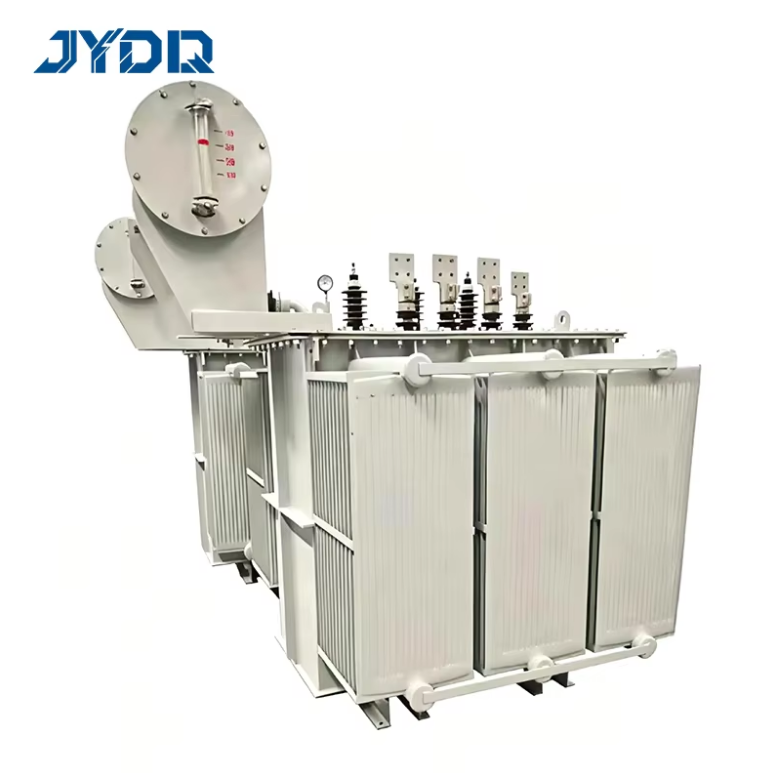
The commissioning process for an oil immersed transformer encompasses multiple stages of inspection, testing, and documentation. Each stage builds on the previous one to ensure that all critical parameters meet design standards and manufacturer specifications. Skipping steps or performing incomplete inspection procedures can lead to operational failures, downtime, and safety hazards that extend far beyond the initial installation period.
Pre-Commissioning Inspection Requirements
Visual and Physical Inspection
Before any electrical testing begins, a detailed visual inspection of the oil immersed transformer must be performed at the substation site. Inspectors should examine the transformer tank for dents, corrosion, oil leaks, or signs of shipping damage. All cable connections, grounding leads, and terminal boxes require careful examination to ensure they are clean, properly connected, and free of contamination or moisture. The radiator fins, cooling fans, and pump assemblies should be checked for mechanical damage and proper installation alignment.
Documentation of the transformer's serial number, manufacturing date, nameplate ratings, and any factory inspection reports must be verified against the purchase order and site requirements. The transformer oil itself must be inspected through the inspection ports or sight glass for clarity, proper level, and absence of sediment or water droplets. Any visible discoloration or turbidity in the oil during inspection suggests contamination that must be addressed before energization occurs.
Foundation and Installation Verification
The concrete foundation supporting the oil immersed transformer must be inspected for proper curing, levelness, and adequate load-bearing capacity. All mounting bolts and anchor points require inspection to confirm they are tight, properly seated, and free of corrosion. The inspection of adjacent structures, cable ducts, and drainage systems ensures that the substation layout meets safety codes and environmental protection standards. Proper clearances around the transformer must be verified to allow for thermal expansion, maintenance access, and emergency response procedures.
Electrical Testing and Commissioning Protocols
Insulation Resistance and Dielectric Strength Testing
Insulation resistance testing using a high-voltage megohmmeter is essential during commissioning of any oil immersed transformer. Measurements between windings, between windings and ground, and between phase conductors establish baseline insulation integrity. These commissioning measurements must meet minimum thresholds specified by relevant standards such as ASTM or IEC guidelines. Low insulation resistance during commissioning testing indicates moisture contamination or manufacturing defects that require immediate investigation and corrective action before the transformer is placed in service.
Dielectric strength testing of transformer oil determines whether the insulating medium can withstand operating voltages without electrical breakdown. Oil samples collected during commissioning are subjected to breakdown voltage testing in a specialized laboratory environment. If the oil fails commissioning quality standards, the entire batch must be drained, filtered, or replaced to ensure the transformer operates reliably throughout its design life. This critical commissioning step protects against sudden failure when the transformer is energized under load conditions.
Winding Resistance and Transformer Ratio Testing
Winding resistance measurements performed during commissioning verify that all coils and connections exhibit proper electrical conductivity and continuity. These commissioning measurements establish baseline values against which future maintenance tests can be compared to detect internal conductor deterioration or loose connections. Transformer ratio testing confirms that the voltage transformation between primary and secondary windings matches the nameplate specifications and installation design. Any deviation from expected ratios during commissioning testing suggests internal winding damage or incorrect tap settings that must be corrected before the transformer enters service.
These electrical commissioning tests require specialized test equipment and trained personnel to ensure accurate measurement and correct interpretation of results. Documentation of all commissioning test results, including date, time, ambient conditions, and technician identification, creates a permanent record for regulatory compliance and future reference. Any test values falling outside acceptable commissioning ranges must trigger further investigation and root cause analysis before proceeding with energization.
Oil Quality and Environmental Commissioning Checks
Oil Sampling and Chemical Analysis
Oil samples collected during commissioning provide critical information about the transformer's insulating medium condition and any potential manufacturing or contamination issues. Commissioning oil analysis includes measurement of moisture content, acid number, and dissolved gas composition to establish baseline conditions. Moisture levels exceeding acceptable thresholds during commissioning testing indicate that drying procedures or oil conditioning must be performed before energization. Chemical analysis performed during commissioning establishes reference data against which future condition monitoring can track oil degradation and transformer aging.
Particle count and cleanliness testing during commissioning determines whether the transformer oil meets specified filtration standards and is free from manufacturing debris or contamination introduced during shipping and installation. The substation environment and handling procedures directly impact oil quality during commissioning phases. If oil samples fail commissioning quality standards, mobile or stationary oil processing equipment can restore the oil to acceptable specifications before the transformer is energized and placed into service at the substation.
Environmental and Safety Compliance Verification
Commissioning procedures must verify that all environmental containment systems are properly installed, including oil collection sumps, drainage systems, and secondary containment barriers around the transformer. These substation safety features prevent oil spills from contaminating soil or groundwater in the event of a transformer rupture or leak. Grounding and bonding of all metal components must be tested during commissioning to ensure electrical safety and compliance with facility codes. Emergency response procedures, warning labels, and operational documentation must be reviewed and placed at the substation before the transformer is energized.
FAQ
What is the typical duration of a complete oil immersed transformer commissioning process?
A comprehensive commissioning procedure for an oil immersed transformer typically requires three to seven days, depending on transformer size, site complexity, and whether remedial actions are needed. Visual inspection and documentation usually take one to two days, while laboratory analysis of oil samples and dielectric testing add several more days. If any commissioning tests fail acceptance criteria or contamination is detected during inspection, additional time for oil conditioning or component replacement can extend the overall commissioning timeline significantly.
Can commissioning of an oil immersed transformer proceed if insulation resistance measurements are below standard thresholds?
No, commissioning should never proceed if insulation resistance measurements fall below manufacturer or standard specifications. Low insulation resistance during commissioning testing indicates moisture contamination, manufacturing defects, or shipping damage that poses a serious risk to transformer reliability and safety. The transformer must be dried, oil must be conditioned, or components must be replaced before insulation resistance measurements meet commissioning acceptance criteria. Proceeding with energization despite failed commissioning tests creates unacceptable risk of catastrophic failure and potential safety hazards at the substation.
What documentation should be retained after commissioning of an oil immersed transformer is complete?
All commissioning test reports, oil analysis certificates, visual inspection photographs, electrical test measurements, and calibration records must be retained as part of the transformer's permanent maintenance file. This commissioning documentation provides baseline reference data for future condition assessments and helps establish warranty claims if defects appear shortly after commissioning completion. Regulatory agencies, facility operators, and maintenance personnel depend on accurate commissioning records to track transformer performance and plan predictive maintenance activities throughout the equipment's operational life at the substation.

 EN