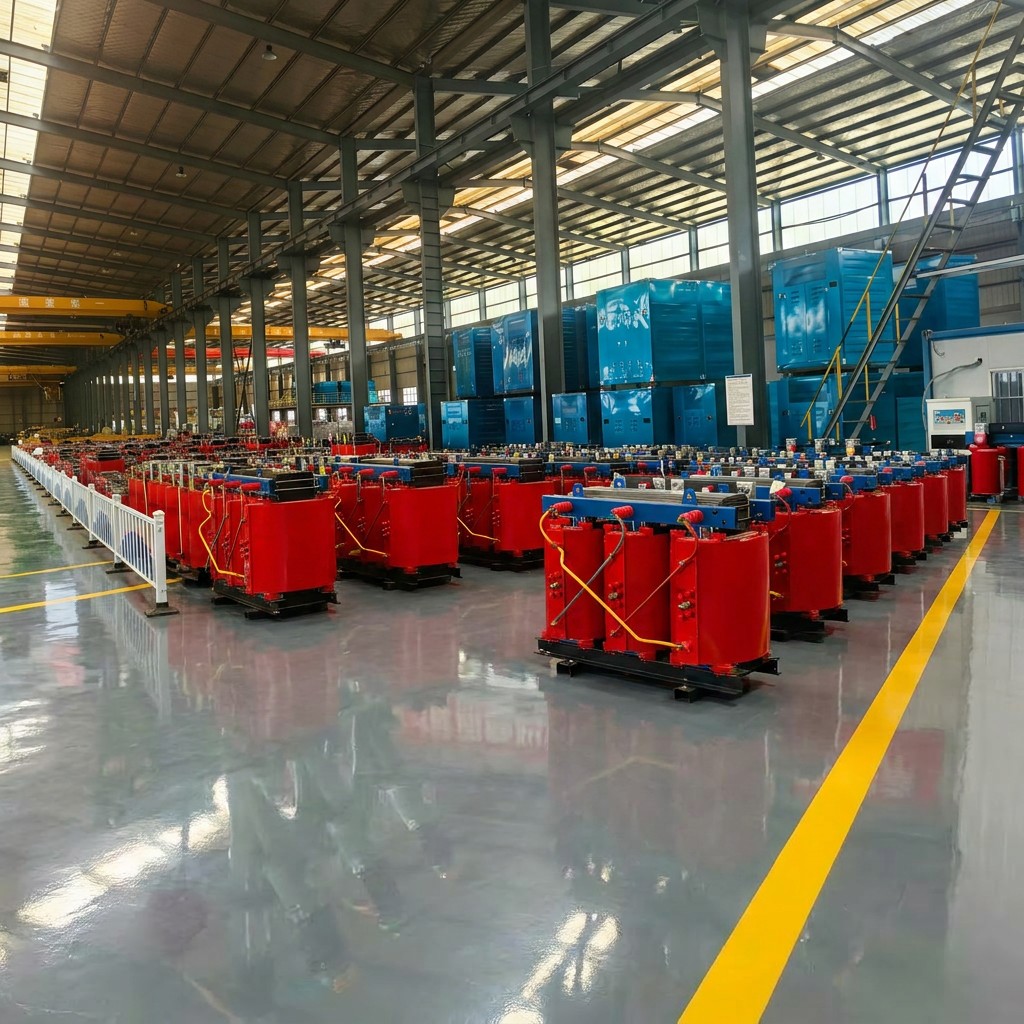
Selecting a reliable supplier of electrical equipment requires careful evaluation of their operational practices and commitment to excellence. When assessing dry type transformer manufacturers, buyers must look beyond marketing claims and understand the technical rigor that goes into each unit. Quality control stands as a critical differentiator between manufacturers who meet basic compliance and those who consistently deliver superior performance and reliability.
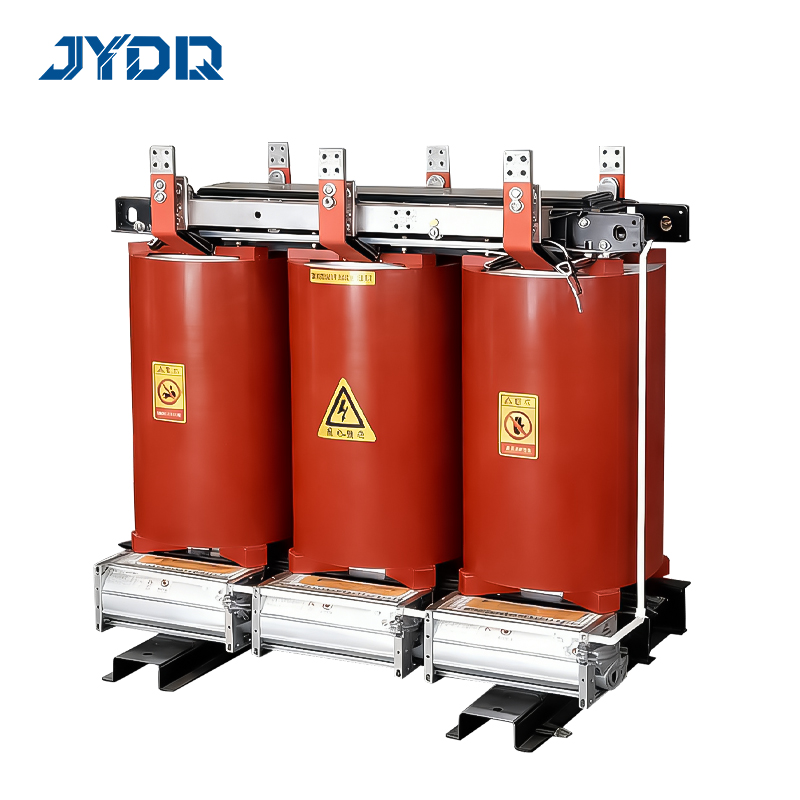
The process of evaluating quality control at dry type transformer manufacturers involves examining their production process from raw material receipt through final shipping. Effective quality control encompasses material certification, component testing, assembly verification, and performance validation at multiple stages. Understanding these evaluation criteria enables procurement professionals to make informed decisions that protect equipment investments and operational continuity.
Understanding Quality Control Frameworks at Manufacturers
Comprehensive Quality Standards and Certifications
Reputable dry type transformer manufacturers operate within established international standards that define quality benchmarks and testing protocols. These standards typically include IEC, NEMA, and ISO certifications that demonstrate commitment to consistent production practices. Buyers should verify that manufacturers hold active third-party certifications and undergo regular audits to maintain compliance. The presence of recognized quality certifications provides baseline assurance that production process disciplines exist and are monitored by independent bodies.
Documentation and Traceability Systems
Quality control documentation reveals how systematically a manufacturer tracks materials, components, and finished products throughout assembly. Advanced manufacturers maintain batch traceability systems that link each transformer to specific material lots, component suppliers, and production dates. This capability enables rapid identification and containment of issues if problems emerge in the field. Buyers should request access to documentation samples that demonstrate material certifications, test reports, and production records that show inspection checkpoints are recorded consistently.
Production Process and Inspection Methodology
Material Verification and Incoming Inspection
The production process begins with rigorous incoming inspection of raw materials and purchased components. Quality dry type transformer manufacturers verify material chemistry, dimensional accuracy, and supplier documentation before materials enter production. Winding copper undergoes resistivity and purity testing, insulating materials are analyzed for moisture content and electrical properties, and core steel is checked for lamination quality. This early-stage inspection prevents defective materials from advancing into assembly, reducing rework costs and quality risks. Buyers should confirm that manufacturers specify material acceptance criteria and maintain records proving these standards are met for each production batch.
In-Process Inspection During Assembly
Throughout the production process, multiple inspection checkpoints verify that assembly meets design specifications. Winding dimensions are measured to ensure proper conductor spacing and insulation clearances. After winding and core assembly, units undergo partial discharge testing and insulation resistance measurement before being cast in resin. These mid-stage inspections catch dimensional errors and assembly defects before they become embedded in the final product. Effective manufacturers document in-process inspection results and establish clear accept-or-reject decision rules that prevent marginal units from advancing further.
Final Testing and Performance Validation
Completed dry type transformers undergo comprehensive final testing that validates performance against design ratings and customer specifications. Inspection procedures include turns ratio verification, impedance measurement, insulation testing at elevated voltage, temperature rise testing under load, and thermal imaging to detect hot spots. High-voltage testing confirms the transformer's ability to withstand transient overvoltages and partial discharge inception voltages. Buyers should request sample final test reports that show all specified tests were completed and results fall within acceptable ranges, confirming consistent quality control discipline.
Key Metrics and Selection Criteria for Buyers
Defect Rates and Field Performance Data
Beyond certification and documentation, buyers should evaluate manufacturers' track records through defect rate data and field performance history. Quality manufacturers proactively track defect trends, conduct root cause analysis, and implement corrective actions. Requesting industry reference accounts allows buyers to verify actual performance and reliability based on operational experience. A manufacturer willing to share objective performance data and customer testimonials demonstrates confidence in their production process control and quality assurance capabilities.
Continuous Improvement and Quality Evolution
Leading dry type transformer manufacturers invest continuously in equipment upgrades, process refinements, and workforce training to enhance quality control capabilities. Advanced manufacturers adopt statistical process control methods, invest in automated inspection technology, and conduct regular capability studies to confirm production processes remain within acceptable limits. Buyers should inquire about manufacturer initiatives related to quality improvement, inspection system upgrades, and training programs. Evidence of continuous evolution indicates a manufacturer committed to quality excellence rather than meeting minimum standards.
FAQ
What specific inspection procedures should I verify when assessing quality control at dry type transformer manufacturers?
Key inspection procedures to verify include incoming material testing with documented certifications, dimensional checks during winding and assembly, partial discharge testing before resin casting, insulation resistance measurements, turns ratio verification, impedance testing, high-voltage withstand testing, and thermal rise testing under rated load. Request sample test reports and witness testing on sample units when possible. Ask about statistical sampling plans used for inspections and whether 100 percent inspection or statistical sampling is applied to critical parameters. This documentation confirms that production process controls are comprehensive and consistently applied.
How can I evaluate whether a dry type transformer manufacturer's quality control program is genuinely effective?
Effective quality control evaluation includes reviewing third-party certifications from recognized bodies, analyzing defect and failure data over multiple years, checking field performance references from similar applications, assessing whether manufacturers conduct root cause analysis and corrective actions, and verifying continuous improvement investments. Ask about traceability systems that link finished units to material lots and production dates. Request copies of audit reports from internal or external quality audits. Manufacturers with transparent, data-driven quality programs demonstrate genuine commitment to reliability beyond basic compliance requirements.
What role does the production process play in achieving consistent quality at dry type transformer manufacturers?
The production process is fundamental to quality consistency because it establishes workflow sequences, equipment settings, material handling procedures, and environmental controls that directly influence transformer performance and durability. A well-designed production process incorporates quality checkpoints at material receipt, during assembly stages, and before final packaging. Process standardization ensures that quality outcomes remain consistent regardless of which production operator or shift assembles a unit. Manufacturers with disciplined production process management achieve lower variation in electrical parameters, more reliable field performance, and greater long-term cost efficiency for buyers.

 EN