Choosing the correct capacity for a Dry-Type Transformer is critical to project success. An undersized unit cannot handle peak demand, while an oversized transformer wastes energy and increases capital costs. The selection process requires careful analysis of current and future electrical loads, facility growth projections, and operational requirements. This guide explains the systematic approach to sizing transformers for industrial and commercial applications.
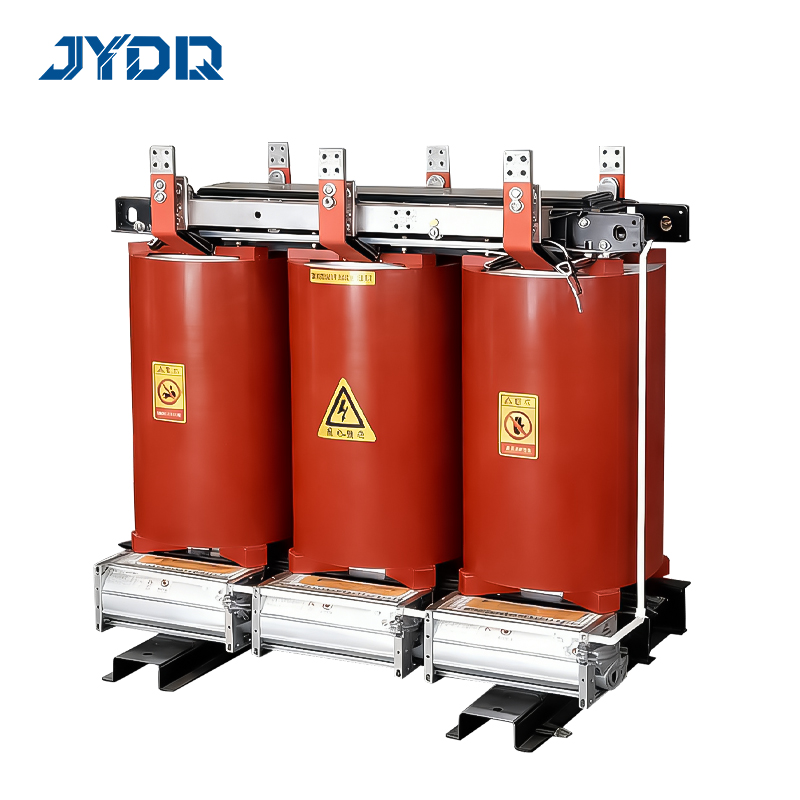
Proper transformer sizing protects equipment reliability and optimizes operational efficiency. Understanding load calculation methods, kVA rating fundamentals, and safety margins ensures your facility maintains stable power delivery under varying conditions. This article covers the essential steps engineers and facility managers must follow when selecting transformers for new installations or system upgrades.
Understanding Load Calculation Fundamentals
Determining Connected Load
Load calculation begins by identifying all electrical equipment that will draw power from the transformer. This includes motors, lighting systems, heating units, control equipment, and any specialized machinery specific to your operation. Engineers must document the nameplate ratings for each device and verify whether equipment operates continuously or intermittently. Connected load represents the total power rating if all devices run simultaneously, providing the theoretical maximum demand baseline.
Facility operators often underestimate connected load by overlooking future expansion plans or auxiliary systems. A comprehensive audit should account for existing equipment plus anticipated additions within a 5 to 10 year planning horizon. This forward-looking approach prevents early replacement of undersized transformer systems and supports business growth without infrastructure constraints.
Demand Factor and Diversity
Not all connected equipment operates at full capacity simultaneously, which is where demand factor and diversity become essential concepts in transformer sizing. Demand factor represents the ratio of actual maximum demand to connected load, typically ranging from 0.6 to 0.9 depending on facility type and operating patterns. Industrial facilities with synchronized processes may have higher demand factors than commercial buildings with staggered occupancy.
Diversity factor accounts for the reality that different equipment types have varying load profiles. HVAC systems peak during certain seasons, while manufacturing processes may concentrate power usage during specific production windows. By applying realistic demand and diversity factors appropriate to your industry, load calculation becomes more accurate and prevents over-specification of transformer capacity.
Calculating kVA Rating Requirements
Converting Kilowatts to Apparent Power
The kVA rating measures apparent power, which differs from real power measured in kilowatts. This distinction is fundamental to transformer sizing accuracy. Real power (kW) represents actual work performed, while kVA accounts for reactive components in electrical circuits. The relationship between them depends on power factor, typically expressed as kVA equals kW divided by the power factor value.
A facility operating at 0.85 power factor must select a transformer sized for higher kVA than one with 0.95 power factor, even if both consume identical kilowatts. Transformers are rated in kVA because this apparent power determines heating and insulation stress regardless of reactive load composition. Understanding this relationship prevents mismatches between calculated power requirements and actual transformer nameplate capacity.
Applying Safety Margins and Growth Allowance
Industry best practice recommends sizing transformers to 80 percent of nameplate capacity during peak demand conditions. This 20 percent safety margin protects transformer life by reducing thermal stress and provides cushion for load fluctuations or unexpected demand spikes. A transformer operating continuously at or above 80 percent capacity degrades faster and becomes vulnerable to outages during modest load increases.
Growth allowance extends beyond immediate safety margins. If your calculated peak demand is 400 kVA, selecting an 800 kVA transformer provides both operational headroom and future expansion capacity. This approach proves particularly valuable in manufacturing facilities or data centers where facility additions occur regularly. The additional capital investment in larger transformer sizing often proves economical compared to replacement costs when current capacity becomes insufficient.
Matching Transformer Specifications to Project Requirements
Environmental and Installation Considerations
Dry-type transformer technology offers advantages for indoor installations where oil-cooled equipment poses environmental concerns or where space constraints limit equipment footprint. Ambient temperature, ventilation availability, and altitude all influence transformer performance and must guide capacity selection. A transformer rated for sea-level operation in temperate climates requires capacity uprating at high altitude or in hot industrial environments where cooling becomes challenging.
Installation location also determines whether a transformer can achieve its nameplate rating continuously. Indoor installations benefit from controlled ambient temperatures, while outdoor or partially exposed locations experience temperature fluctuations that reduce available capacity. Engineers must account for these environmental factors when finalizing transformer sizing to ensure selected equipment maintains appropriate safety margins under actual site conditions.
Voltage and Impedance Specifications
Transformer sizing extends beyond kVA rating to include voltage class and impedance specifications. Primary and secondary voltage must match facility distribution systems to prevent equipment damage or poor performance. Impedance characteristics affect fault current behavior and voltage regulation during load transients. Higher impedance transformers limit inrush currents during startup but may reduce voltage stability during heavy loads.
Coordination with other electrical protective devices requires careful impedance selection. Transformers with impedance values ranging from 4 to 6 percent represent common industrial selections, but specific applications may require different values. Load calculation and transformer sizing decisions must therefore consider the complete electrical system context, not just isolated power requirements.
FAQ
What happens if I select a transformer that is too small?
An undersized transformer cannot supply adequate current to meet facility demand, causing voltage sag that damages sensitive equipment and reduces motor efficiency. Overloaded transformers experience excessive heating, accelerated insulation degradation, and shortened service life. Worst-case scenarios involve transformer failure during peak demand periods, leaving the facility without power until replacement installation occurs. Load calculation accuracy becomes crucial to prevent this costly outcome.
Can I base transformer sizing only on current connected load without growth allowance?
While connecting load provides the theoretical maximum, industry practice recommends incorporating growth allowance during transformer sizing. A 5 to 10 year planning horizon is standard for facility upgrades. Selecting transformer capacity with modest growth margin costs less upfront than replacing the unit after only 3 to 5 years of operation. This approach balances capital efficiency with long-term operational flexibility and infrastructure reliability.
How does power factor affect my transformer sizing calculations?
Power factor directly influences the relationship between kilowatts and kVA rating. Lower power factor facilities require larger kVA transformers to deliver the same kilowatts. Many industrial operations can improve power factor through capacitor banks, reducing transformer sizing requirements. When performing load calculation for transformer sizing, always verify your facility's typical power factor and incorporate power factor correction strategies to optimize transformer selection and operational efficiency.

 EN