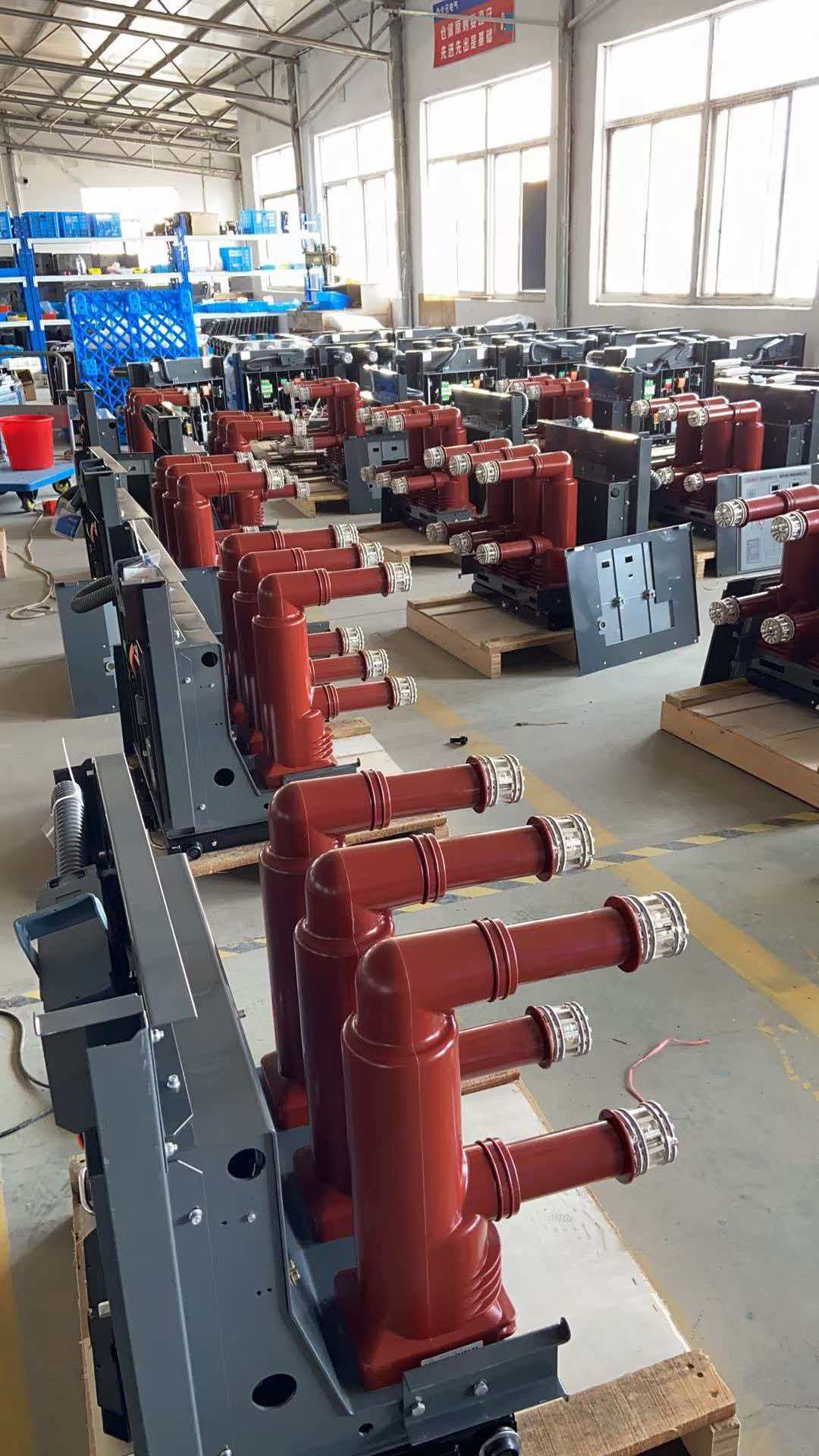
A vacuum circuit breaker is engineered to provide reliable protection and switching capabilities in medium-voltage electrical systems. However, like all mechanical and electrical devices, these breakers can experience failure during operation if underlying conditions are not properly managed. Understanding what causes breaker failure is essential for plant managers, electrical engineers, and maintenance teams who depend on consistent circuit protection. The consequences of unexpected breaker failure range from equipment damage and production downtime to safety hazards and costly emergency repairs.
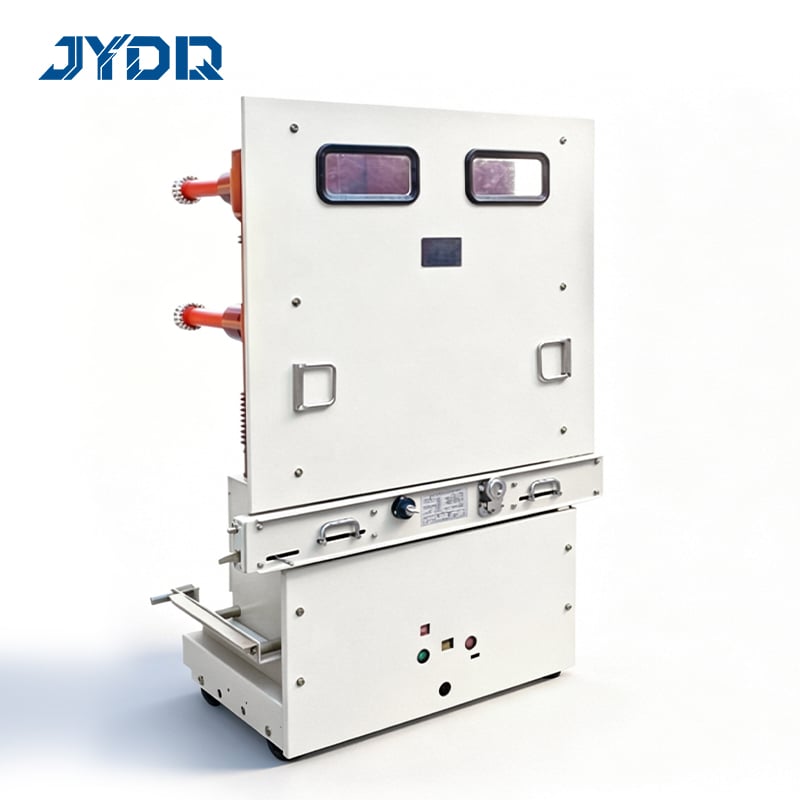
Vacuum circuit breaker failure typically stems from one or more interrelated factors involving mechanical wear, electrical stress, environmental contamination, or design limitations under specific operating conditions. By identifying the root causes of breaker failure, facility operators can implement targeted maintenance strategies, adjust operating parameters, and extend equipment service life. This article explores the primary mechanisms behind vacuum circuit breaker failure and provides actionable insights for prevention and troubleshooting.
Mechanical Wear and Contact Degradation
Contact Erosion and Surface Damage
The movable and stationary contacts inside a vacuum circuit breaker experience gradual erosion with each operation cycle. Every time the breaker interrupts current, material from the contacts transfers to the opposite surface or vaporizes into the vacuum chamber. Over thousands of switching operations, contact surfaces become pitted, roughened, and uneven. This degradation increases contact resistance and reduces the breaker's ability to carry rated current without excessive heat generation. Severe contact erosion can eventually prevent proper electrical contact closure, causing the breaker to fail during critical switching events.
Contact material selection, current magnitude, and switching frequency directly influence the rate of erosion. Higher fault currents accelerate contact wear, as do frequent on-off cycles in industrial environments. Even under normal operating conditions, contact erosion is inevitable; however, excessive erosion signals inadequate maintenance intervals or unsuitable operating duty. Routine contact inspection and timely replacement are core maintenance practices that prevent contact-related breaker failure.
Mechanical Spring and Linkage Failure
The mechanical actuating system of a vacuum circuit breaker relies on springs, latches, and linkages to open and close contacts reliably. These components undergo stress with every operation, and fatigue can develop over time. A weakened or broken spring may prevent the breaker from opening quickly under fault conditions, leading to breaker failure when rapid current interruption is required. Corroded or misaligned linkages can also prevent smooth contact motion, causing incomplete opening or closing that results in arcing and thermal damage.
Mechanical breaker failure often occurs after extended service without proper lubrication and inspection. Lubricant degradation, contamination by dust or moisture, and lack of periodic adjustments compound the risk. Maintenance teams should regularly inspect all mechanical components, verify smooth operation, and replace worn parts before they cause operational failure.
Electrical Overstress and Thermal Factors
Vacuum Chamber Integrity Loss
The vacuum inside a circuit breaker chamber is fundamental to its interrupting capability and dielectric strength. If the vacuum degrades due to micro-leaks, bellows rupture, or seal failure, air or moisture infiltrates the chamber. This contamination dramatically reduces the breaker's ability to suppress arcs and withstand high voltages between contacts. A vacuum breaker failure caused by chamber breach typically manifests as unexpected arcing during switching, erratic fault current interruption, or complete loss of dielectric withstand capability.
Environmental factors such as mechanical vibration, thermal cycling, and corrosive atmospheres accelerate seal deterioration and can initiate vacuum chamber breach. Routine vacuum pressure monitoring and inspection of bellows and seals are essential troubleshooting steps. If vacuum deterioration is suspected, immediate breaker servicing or replacement is necessary to restore operational safety.
Thermal Overload and Arc Suppression Limits
When a vacuum circuit breaker carries current above its rated capacity for extended periods, internal temperatures rise, weakening insulating materials and promoting contact degradation. Repeated thermal stress cycles can crack ceramic isolators or loosen connections, leading to failure during the next fault event. Additionally, if the breaker is called upon to interrupt a current significantly higher than its design rating, the arc energy may exceed the chamber's suppression capability, causing a breaker failure through arc persistence or violent contact erosion.
Thermal management is critical for preventing breaker failure. Adequate ventilation around the breaker enclosure, proper load distribution to avoid sustained overcurrent conditions, and selection of breakers with sufficient interrupting capacity for the application are essential measures. Maintenance protocols should include thermal imaging to detect abnormal heating patterns before they cause failure.
Environmental and Operational Challenges
Contamination and Humidity Effects
Although vacuum circuit breakers are designed with sealed chambers, external contamination can affect breaker reliability and cause failure through multiple pathways. Dust, salt, chemical vapors, and moisture in industrial or coastal environments can deposit on external surfaces, promoting corrosion of metal components and compromising seal integrity over time. Moisture infiltration is particularly problematic, as condensation inside the breaker can initiate arcing paths and accelerate internal corrosion.
Troubleshooting breaker failure in contaminated environments requires attention to installation conditions and preventive protection. Adequate enclosure ventilation, use of corrosion-resistant materials, and regular cleaning of breaker exteriors minimize environmental-induced failure risk. In harsh environments, increased maintenance frequency and consideration of environmental protection ratings during breaker selection are prudent practices.
Voltage Transients and Switching Surges
Unexpected voltage transients, such as lightning strikes, capacitor bank switching, or sudden load changes, impose steep voltage stress on the breaker's dielectric system. Repeated overvoltage events can degrade internal insulation, create partial discharge paths, and eventually cause breaker failure during normal switching. If the breaker lacks adequate surge suppression or protection equipment, transient-induced insulation breakdown becomes a significant failure mode.
Robust troubleshooting of transient-related breaker failure involves analyzing power quality data, inspecting the surge protection system, and confirming that protective devices upstream are functioning correctly. Adding surge arresters or transient voltage suppression equipment often prevents recurrent breaker failure in electrically harsh applications.
FAQ
What are the early warning signs that a vacuum circuit breaker is approaching failure?
Early warning signs include unusual electrical resistance during closing, visible arcing or discoloration on contacts during operation, a loud snapping sound during interruption, sluggish mechanical response, or difficulty activating the manual opening lever. Thermal imaging may reveal hot spots on the breaker body, indicating internal electrical resistance or arc activity. Increased tripping frequency without corresponding load changes also signals potential trouble. Prompt investigation and maintenance troubleshooting can prevent complete failure.
How often should maintenance be performed on a vacuum circuit breaker to avoid failure?
Maintenance frequency depends on duty cycle, environmental conditions, and manufacturer recommendations, but most industrial applications benefit from inspection every 12 to 24 months. High-duty environments with frequent switching or harsh contamination warrant more frequent inspection, potentially quarterly or semi-annually. Critical facility breakers may require annual preventive maintenance including contact measurement, vacuum verification, and mechanical function tests. Regular maintenance directly correlates with reliability and extends the service life of the breaker before failure occurs.
Can a vacuum circuit breaker be repaired after failure, or must it be replaced?
Minor wear and surface erosion can sometimes be addressed through professional refurbishment, including contact resurfacing, spring replacement, and vacuum chamber restoration. However, severe damage such as contact pitting beyond allowable limits, cracked ceramic components, or permanent vacuum loss typically necessitates replacement of internal modules or the entire breaker unit. For many facilities, purchasing a new breaker is more cost-effective than extensive repair. A qualified technician can assess the extent of damage and recommend whether repair or replacement is the appropriate troubleshooting solution.

 EN