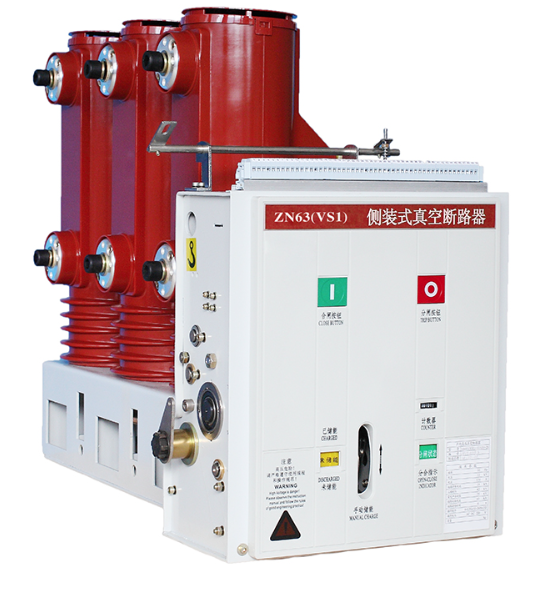
Proper installation alignment represents one of the most critical yet frequently overlooked aspects of deploying a vacuum circuit breaker in industrial electrical systems. When a drawout VCB is installed without precise alignment, the consequences extend far beyond initial commissioning—they affect safety, operational reliability, and the total cost of ownership throughout the equipment's service life. This guide explores why alignment during installation represents a foundational engineering requirement rather than a simple assembly task.
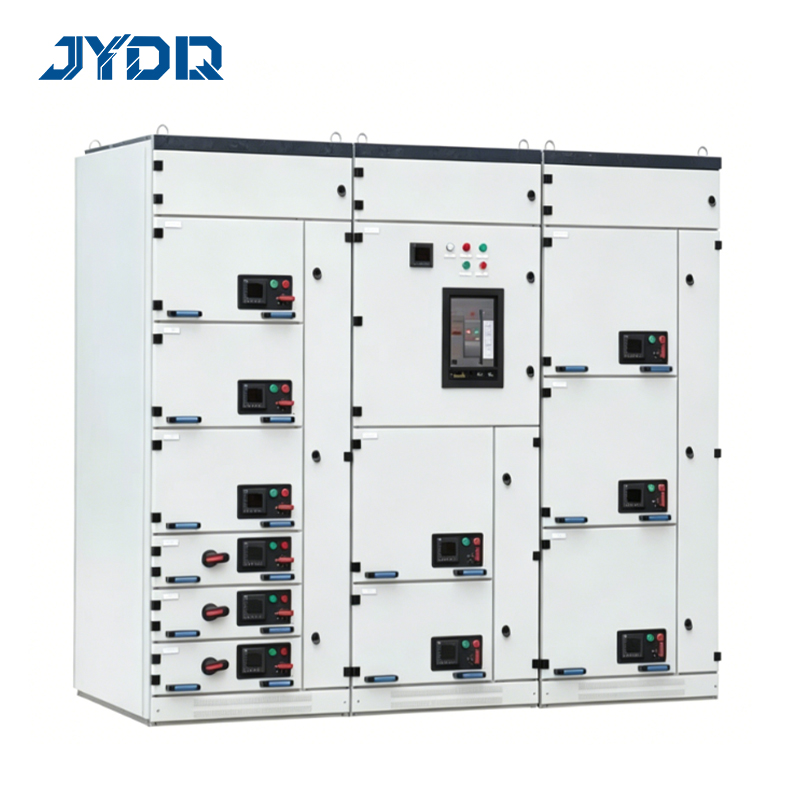
The industrial sector increasingly relies on drawout VCB technology for medium-voltage applications, yet installation practices often lag behind equipment design sophistication. Misalignment during installation creates cascading mechanical and electrical stresses that compromise the structural integrity of the vacuum circuit breaker. Understanding the fundamental importance of alignment ensures that facility managers, electrical contractors, and system integrators can implement best practices that protect both equipment and personnel.
The Mechanical Foundation of Proper Alignment
Why Alignment Affects Circuit Breaker Performance
A drawout VCB operates through precise mechanical and electrical coordination between multiple components. When installation alignment is neglected, the breaker's moving contacts, operating mechanism, and spring systems encounter uneven forces. This uneven loading accelerates wear on mechanical parts, reduces the operational lifespan of the vacuum circuit breaker, and increases the risk of failure during critical fault conditions.
The alignment of a vacuum circuit breaker affects how smoothly the mechanism transitions between open and closed positions. Poor alignment introduces friction in the operating rod, binding in the linkage system, and inconsistent contact pressure. These conditions force the breaker's motor-drive system to work harder, consuming additional energy and generating heat that shortens component life. Proper alignment ensures smooth mechanical operation and reduces unnecessary stress on the entire drawout VCB assembly.
Alignment Tolerances and Industrial Standards
Industrial standards for drawout VCB installation specify tight alignment tolerances, typically within fractions of a millimeter for contact alignment and within single-degree increments for mechanism orientation. These tolerances exist because the vacuum circuit breaker's internal contacts must maintain consistent separation distances and approach speeds during operation. When installation introduces misalignment, the vacuum arc chamber experiences non-uniform electric field distribution, which compromises the quenching ability of the vacuum chamber itself.
Alignment specifications for a vacuum circuit breaker extend beyond simple vertical and horizontal positioning. The breaker's rails, guide surfaces, and operating mechanism must all align relative to the drawout VCB frame and the switchgear cabinet structure. Installation alignment ensures that the vacuum circuit breaker can be withdrawn and reinserted repeatedly without mechanical damage or performance degradation. This repeatability is essential for maintenance procedures and emergency servicing in industrial facilities.
Electrical Safety and Contact Integrity
How Misalignment Affects Electrical Contact Performance
The electrical performance of a vacuum circuit breaker depends fundamentally on consistent contact geometry and engagement. During installation, the alignment of fixed and moving contacts establishes the baseline electrical characteristics of the breaker. A misaligned vacuum circuit breaker exhibits non-uniform contact wear, concentrated erosion patterns, and inconsistent electrical continuity. These electrical defects accumulate over operating cycles, eventually degrading the breaker's ability to interrupt fault currents reliably.
In drawout VCB installations, contact alignment errors introduce phase-to-phase inconsistencies when multiple breakers operate in parallel. This creates unbalanced current distribution, increases reactive stress on power distribution networks, and elevates the risk of selective coordination failures during faults. The vacuum circuit breaker's contact surfaces must align precisely to maintain symmetrical wear patterns and equivalent electrical resistance across all three phases. Proper installation alignment preserves this electrical balance throughout the breaker's operational life.
Arc Extinguishing and Alignment Precision
The vacuum arc chamber within a vacuum circuit breaker relies on precise geometric conditions to extinguish faults efficiently. Misalignment during installation disrupts the arc column's symmetry, reducing the effectiveness of the vapor condenser shields and compromising the breaker's interrupting capacity. A properly aligned drawout VCB maintains consistent arc chamber dimensions that enable the vacuum medium to interrupt even the most severe fault currents within specified timeframes.
Installation alignment also affects the vacuum circuit breaker's ability to interrupt current at different voltage levels and under various thermal conditions. The contact separation distance and approach velocity depend on precise mechanical alignment of the operating linkage. Without proper alignment during installation, the drawout VCB may experience insufficient contact separation speed, delayed arc initiation, or inadequate arc quenching under high-current fault conditions.
Maintenance Access and Operational Reliability
Installation Alignment and Field Service Requirements
Industrial facilities require reliable maintenance access to their vacuum circuit breaker equipment. When a drawout VCB is misaligned during initial installation, subsequent maintenance operations become problematic. The breaker cannot be withdrawn smoothly from the switchgear cabinet, risking damage to internal components or the cabinet structure itself. Proper installation alignment ensures that the vacuum circuit breaker can be safely extracted and reinstalled without mechanical complications or electrical safety hazards.
The drawout design of a modern VCB enables planned maintenance procedures that minimize facility downtime. However, this advantage only materializes when the installation alignment is correct. Misaligned installation forces technicians to apply excessive force during withdrawal, risking accidental contact with live components or causing mechanical damage to the vacuum circuit breaker's slide contacts. Proper alignment protects maintenance personnel and preserves the integrity of the equipment during routine service cycles.
Long-Term Reliability and Total Cost of Ownership
Installation alignment directly influences the total cost of ownership for drawout VCB systems. A misaligned vacuum circuit breaker requires accelerated maintenance schedules, component replacement sooner than designed, and higher energy consumption throughout its service life. Facilities that prioritize proper alignment during installation typically experience 20–40% reductions in unplanned downtime and extended intervals between major maintenance events.
The financial impact of poor alignment during installation extends to inventory costs, spare parts management, and emergency response capabilities. When a vacuum circuit breaker fails prematurely due to installation misalignment, facilities must maintain larger spare inventory to ensure rapid replacement availability. Proper drawout VCB alignment at installation eliminates this premium, optimizing capital allocation and improving overall system economics.
FAQ
What are the primary alignment checks required when installing a drawout VCB?
Key alignment checks for a vacuum circuit breaker installation include vertical rail alignment, horizontal guide surface alignment, contact approach symmetry, and mechanism engagement verification. Technicians must confirm that the fixed contact assembly maintains equal spacing relative to the breaker frame and that the moving contact assembly approaches at consistent velocity. For drawout VCB installations, the slide contact rails must be verified for parallel alignment within tolerance specifications. Documentation of these alignment measurements before commissioning provides a baseline for future maintenance comparisons.
How does installation alignment affect the drawout VCB's interrupting capacity?
Installation alignment directly impacts the vacuum circuit breaker's ability to interrupt rated fault currents. Proper alignment ensures consistent arc chamber geometry, uniform contact engagement, and symmetrical vacuum pressure distribution during fault conditions. A misaligned drawout VCB experiences contact bounce, inconsistent arc initiation, and reduced vapor condensing efficiency. These defects progressively degrade the vacuum circuit breaker's interrupting capacity, potentially rendering it unable to clear faults within specified timeframes and compromising system protection coordination.
Can installation misalignment in a vacuum circuit breaker be corrected after commissioning?
While minor alignment adjustments can sometimes be made after initial installation, comprehensive correction typically requires removing the vacuum circuit breaker from the drawout VCB cabinet for full mechanical realignment. This represents a costly intervention that could have been eliminated through proper installation procedures. Once commissioned, a misaligned vacuum circuit breaker often experiences mechanical stress that causes components to wear into positions that complicate later correction. Industry best practice recommends verification of all alignment specifications before the breaker is energized, ensuring early detection and correction of installation defects.

 EN