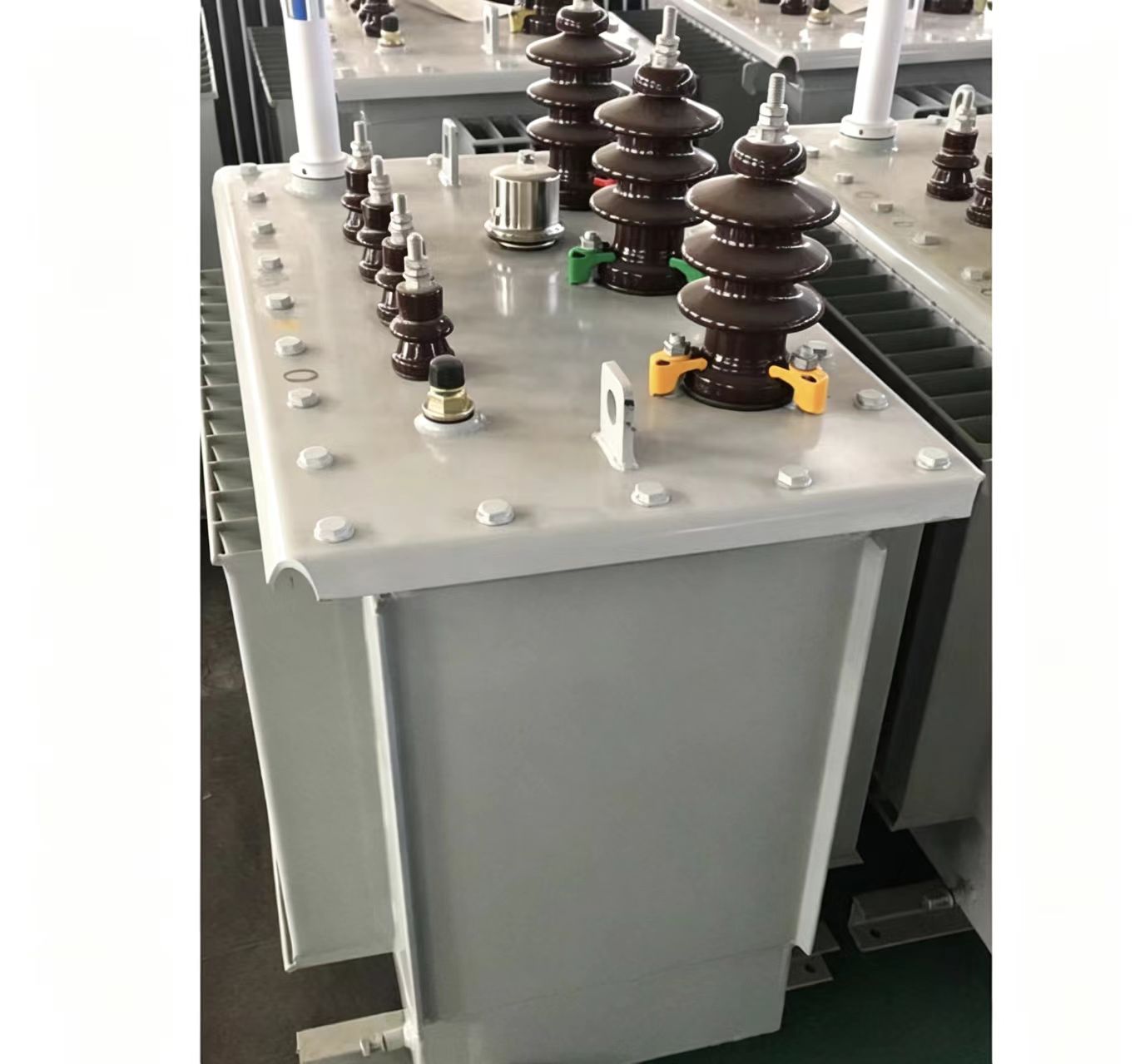
Distribution transformers form the backbone of electrical grids, stepping down high voltages for safe delivery to end users. These critical assets require robust protection against electrical faults, overcurrents, and system disturbances. A vacuum circuit breaker represents one of the most reliable technologies available today for safeguarding distribution transformers and maintaining continuous power supply reliability. Understanding how this protection mechanism works is essential for power engineers, utility operators, and industrial facility managers.
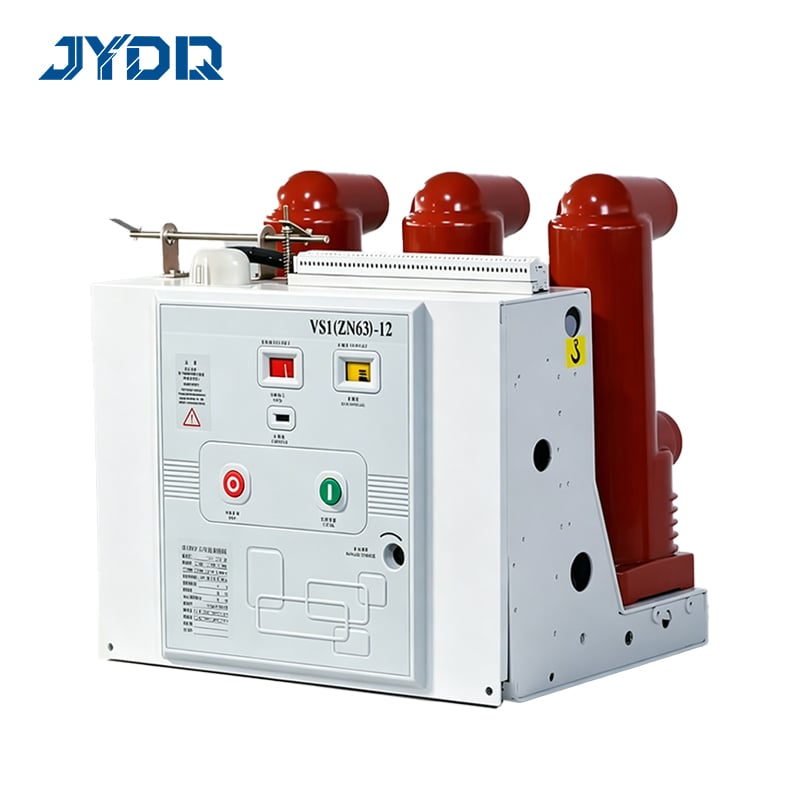
The vacuum circuit breaker operates through a sophisticated mechanism that combines speed, reliability, and precision in fault detection and isolation. When installed in distribution systems, a VCB acts as the primary defense layer, detecting abnormal current conditions and interrupting electrical flow before damage propagates. This technology has become the industry standard for transformer protection because of its superior arc extinction capability, minimal maintenance requirements, and exceptional service life. Distribution system operators increasingly rely on vacuum technology to reduce downtime, lower operational costs, and enhance grid stability.
Understanding Vacuum Circuit Breaker Technology
Operating Principles and Arc Extinction
A vacuum circuit breaker functions by interrupting current flow within a sealed vacuum chamber. When a fault condition occurs, the breaker's contacts separate rapidly, creating an arc between them. Unlike oil or gas-insulated systems, the vacuum environment offers exceptional arc suppression because there are virtually no gas molecules available to sustain ionization. This vacuum environment allows the arc to extinguish almost instantaneously when the current crosses zero, typically within one to two milliseconds. The vacuum circuit breaker's ability to interrupt current faster than conventional technologies means distribution transformers experience minimal stress during fault events.
Contact Materials and Reliability
Modern vacuum circuit breaker contacts are engineered from specialized alloys designed to withstand repeated arcing and mechanical stress. These materials maintain consistent performance across thousands of operating cycles without degradation. The hermetically sealed vacuum chamber prevents oxidation and contamination, ensuring the contacts remain in pristine condition throughout the VCB's operational lifetime. This design philosophy makes the vacuum circuit breaker a maintenance-free solution compared to traditional circuit breakers that require regular servicing and contact replacement.
Transformer Protection Mechanisms in Distribution Systems
Fault Detection and Response
Distribution system faults present numerous challenges to equipment protection. Short circuits, phase-to-ground faults, and overcurrent conditions can cause catastrophic damage to transformers within milliseconds. A vacuum circuit breaker, when paired with appropriate relays and sensors, detects these anomalies and responds instantaneously. The VCB's rapid interruption capability limits the thermal energy absorbed by transformer protection systems, preventing insulation degradation and conductor melting. By addressing faults at their source, the circuit breaker protects not only the transformer itself but also downstream equipment and connected loads.
Coordination with Protective Relays
Effective transformer protection requires seamless coordination between the vacuum circuit breaker and protective relay schemes. Overcurrent relays monitor current flow and send trip signals to the VCB when thresholds are exceeded. Distance relays protect against faults at various points in the distribution system. Differential relays specifically protect transformers by comparing current entering and leaving the unit. When these relays signal a fault condition, the vacuum circuit breaker responds with millisecond precision, ensuring selective isolation of the faulted section while maintaining power to unaffected areas of the distribution system.
Integration Benefits for Distribution Systems
Enhanced System Reliability and Uptime
Installing a vacuum circuit breaker at transformer stations significantly improves distribution system reliability. The VCB's fast interruption prevents cascading failures and minimizes outage duration. Because faults are isolated quickly, the magnetic fields that might otherwise trigger nuisance tripping in adjacent equipment remain controlled. Utilities and industrial operators experience fewer unplanned interruptions, reduced revenue loss, and improved customer satisfaction. The vacuum circuit breaker's proven track record demonstrates lower failure rates and longer equipment life compared to conventional protection solutions in distribution environments.
Cost Efficiency and Lifecycle Value
While the initial investment in a vacuum circuit breaker may exceed that of older technologies, the total cost of ownership favors VCB deployment. Maintenance expenses remain minimal because the sealed vacuum environment eliminates oxidation and contamination issues. The VCB requires no regular servicing, oil changes, or contact replacement during its 20 to 30-year operational lifespan. Distribution system operators avoid costly emergency repairs caused by equipment failure, reducing capital expenditure for emergency response teams. The transformer protection provided by a vacuum circuit breaker translates directly into extended asset life and deferred replacement cycles.
FAQ
How quickly does a vacuum circuit breaker interrupt fault current?
A vacuum circuit breaker typically interrupts current within one to two milliseconds when a fault is detected. This extremely fast response time, much quicker than conventional circuit breakers, ensures that distribution transformers experience minimal thermal stress during fault events. The speed is achieved because arc extinction in a vacuum environment occurs almost instantaneously when the current passes through zero, eliminating the need for complex gas deionization mechanisms.
Can a vacuum circuit breaker protect against all types of transformer faults?
A vacuum circuit breaker provides comprehensive protection when integrated with appropriate relay systems. VCB technology handles phase faults, ground faults, overcurrent conditions, and short circuits effectively. However, the vacuum circuit breaker itself acts as an interrupting device; the protective relay scheme determines what faults trigger the breaker. By coordinating the VCB with differential relays, overcurrent relays, and distance relays, the distribution system achieves multi-layer protection that addresses virtually all fault scenarios transformers might encounter.
What maintenance does a vacuum circuit breaker require?
One of the primary advantages of a vacuum circuit breaker is its minimal maintenance requirement. The hermetically sealed vacuum environment prevents contact oxidation and eliminates the need for fluid maintenance associated with oil-insulated breakers. Routine inspections and electrical tests suffice to confirm continued operation. Unlike conventional circuit breakers, a VCB requires no contact replacement, fluid replenishment, or intensive servicing, making it ideal for remote distribution system locations where maintenance access is challenging.

 EN