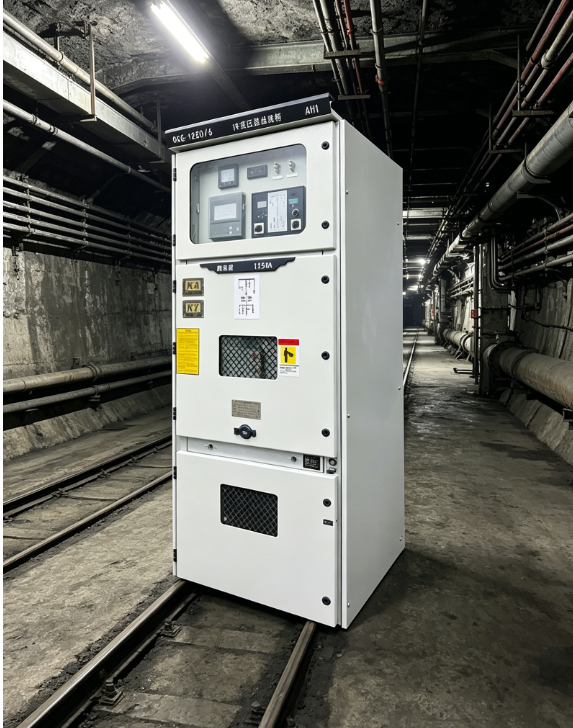
High voltage switchgear and power transformers work together as complementary components in electrical distribution systems, each serving distinct but interdependent functions. Understanding how these two elements interact is essential for anyone involved in substation design, operation, or maintenance. Power transformers step voltage levels up or down to facilitate efficient energy transmission, while high voltage switchgear provides control, protection, and isolation capabilities that safeguard the entire system from faults and overloads. The integration of these technologies creates a robust framework that enables reliable electricity delivery across modern power grids.
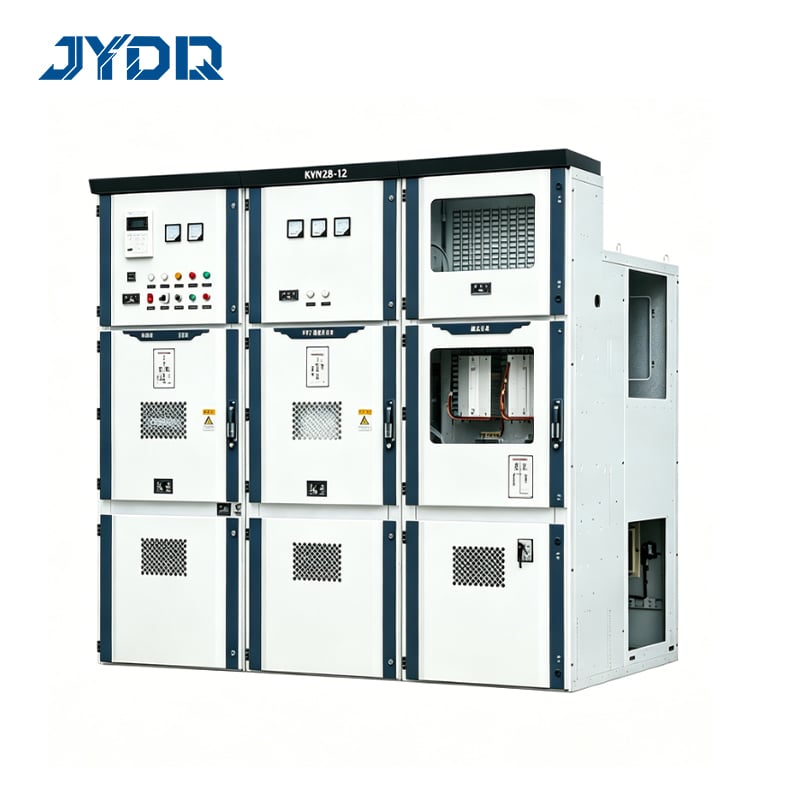
In a typical substation, the high voltage switchgear and power transformer form the core of voltage conversion and system protection. The transformer converts incoming voltage to a level suitable for distribution or further transmission, while switchgear isolates, controls, and protects the transformer and downstream equipment. This synergistic relationship means that failures in either component can compromise the entire substation operation, making their proper coordination and maintenance critical to grid stability and safety.
How High Voltage Switchgear Protects Power Transformers
Primary Protection Functions
High voltage switchgear provides multiple layers of protection for power transformers during normal operation and fault conditions. When a power transformer experiences an internal fault, overcurrent, or overheating, the switchgear must respond quickly to isolate the transformer and prevent cascading failures throughout the substation. The integration of high voltage switchgear with transformer protection relays creates an automated response system that detects abnormal conditions and trips circuit breakers within milliseconds. This rapid isolation capability preserves equipment lifespan, maintains system stability, and prevents voltage collapse that could affect thousands of customers.
Isolation and Control Mechanisms
During routine maintenance or emergency situations, high voltage switchgear serves as the isolation point between the incoming power source and the power transformer. Operators can manually or remotely open disconnect switches within the switchgear assembly to de-energize the transformer safely before maintenance crews approach the equipment. This isolation function is essential because transformers cannot be safely serviced while energized. Modern high voltage switchgear designs include both main disconnects and load-break switches that allow operators to control power flow precisely, enabling scheduled maintenance windows without requiring lengthy power outages across the substation.
Voltage Conversion and System Coordination
Transformer Operating Principles Within Substation Design
Power transformers are sized and selected based on expected load demand and voltage requirements specific to each substation. When high voltage switchgear connects a power transformer to incoming transmission lines, the transformer's primary winding receives the high transmission voltage while the secondary winding delivers a lower distribution voltage. The integration of switchgear allows operators to match transformer output to real-time grid conditions by controlling which transformers are in service and managing load distribution across parallel units. This coordinated approach ensures voltage stays within acceptable ranges for downstream equipment and end users.
Load Management and Efficiency
Efficient substation operation depends on proper coordination between high voltage switchgear settings and power transformer characteristics. When multiple transformers serve the same substation, switchgear controls which units are active based on current demand levels. This selective engagement reduces energy losses during light-load periods because transformers consume reactive power even when lightly loaded. By opening switches to temporarily de-energize low-demand transformers while maintaining service through active units, operators reduce transformer losses and improve overall system efficiency. Switchgear automation systems continuously monitor voltage and current to make these decisions without manual operator intervention.
Integration Challenges and System Optimization
Coordination Between Protective Devices
Successful integration of high voltage switchgear with power transformers requires careful coordination of protective relays and automatic control systems. Relay settings must balance sensitivity to genuine faults against false trips caused by normal transient conditions. The integration process involves analyzing fault currents that would flow through the transformer under various short-circuit scenarios, then adjusting switchgear trip curves to clear faults before transformer windings overheat or suffer mechanical damage. This coordination study ensures that the protective system responds appropriately to both phase-to-phase faults and ground faults while allowing the power transformer to survive temporary disturbances without nuisance disconnection.
Environmental and Operational Considerations
High voltage switchgear and power transformers both generate heat during operation, necessitating proper ventilation and cooling coordination within the substation. Transformer cooling systems must operate reliably because overheating accelerates insulation degradation and can trigger protective relays that disconnect the unit from service. Modern substations integrate switchgear control systems with transformer cooling management so that operators receive early warning if cooling becomes inadequate. If a transformer begins overheating, switchgear can automatically reduce load or redistribute demand to parallel transformers before protective relays must interrupt service. This proactive coordination maintains system reliability and extends equipment lifespan in demanding operating environments.
FAQ
What happens when high voltage switchgear fails to isolate a faulty power transformer?
If high voltage switchgear fails to open when a power transformer develops a serious internal fault, fault current continues flowing through the damaged windings, rapidly overheating the transformer oil and insulation. This uncontrolled fault can cause transformer explosion, release flammable oils, damage nearby equipment, and cause personnel injury. Backup protection in the form of fuses or reclosers upstream of the switchgear may eventually interrupt the fault, but by then the transformer is often destroyed beyond repair. This scenario illustrates why regular switchgear maintenance and testing is essential to ensure protective mechanisms function on demand.
Can a power transformer operate safely without high voltage switchgear?
A power transformer theoretically can operate without dedicated high voltage switchgear if adequate protection and isolation is provided by other means, but this approach is dangerous and not permitted in modern electrical codes. Without switchgear, there is no way to safely isolate the transformer for maintenance, no controlled method to interrupt fault current, and no switching capability to manage load distribution. Every utility substation requires high voltage switchgear to enable safe operation and maintenance of connected transformers. The integration of these components is fundamental to how electrical distribution systems are designed and operated safely.
How does switchgear integration affect power transformer lifespan?
Proper integration of high voltage switchgear significantly extends power transformer lifespan by preventing overloads, limiting fault current exposure, and enabling predictive maintenance. When switchgear protective systems function correctly, transformers experience fewer stress events and operating extremes that accelerate insulation aging. Well-coordinated load-sharing through switchgear reduces transformer operating temperatures and reactive power losses. Conversely, poorly integrated or malfunctioning switchgear can expose transformers to repeated transients and overload conditions that dramatically shorten operational life. This integration factor is why utilities prioritize switchgear reliability as part of their asset management strategies.

 EN