Understanding the operational integrity of electrical distribution equipment requires rigorous diagnostic protocols. Insulation testing stands as a critical evaluation method for assessing the health and reliability of vacuum circuit breakers, which serve as essential protection devices in industrial and utility power systems. This diagnostic approach enables facility managers and maintenance teams to detect potential failures before they compromise system safety or cause unexpected downtime.
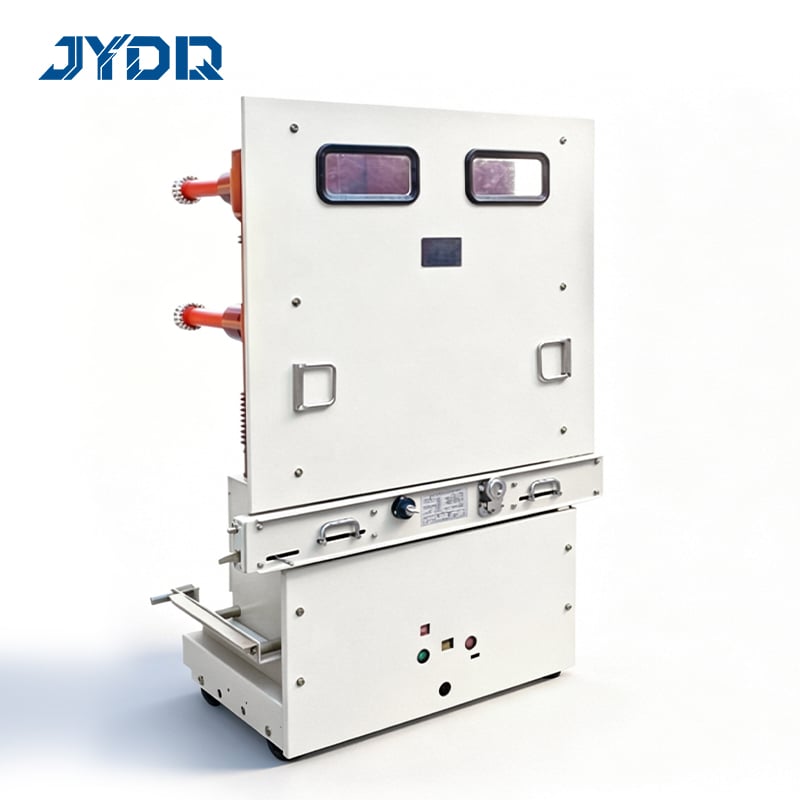
Insulation test protocols provide measurable data that reveals the condition assessment status of vacuum circuit breaker components, particularly the dielectric properties of internal elements. By identifying degradation patterns early, operators can optimize maintenance schedules, extend equipment lifespan, and maintain compliance with industry safety standards. The relationship between insulation performance and VCB reliability makes these tests indispensable in modern electrical asset management.
The Role of Insulation Testing in VCB Diagnostics
Understanding Insulation Degradation Patterns
Vacuum circuit breakers contain multiple insulation systems that must maintain electrical integrity under normal and fault conditions. The vacuum envelope itself, along with porcelain bushings and internal supports, represents the primary insulation barrier. Over time, thermal cycling, humidity exposure, and environmental contaminants gradually degrade these materials. An insulation test measures electrical resistance and capacitance to identify when degradation reaches levels that warrant maintenance intervention or equipment replacement.
Condition assessment through insulation testing reveals whether the VCB can continue safe operation or requires immediate attention. Results that show trending resistance decline indicate progressive insulation breakdown, while sudden resistance drops suggest moisture ingress or localized damage. This data-driven approach eliminates guesswork from maintenance decisions and enables predictive rather than reactive resource allocation.
Key Metrics from Insulation Diagnostics
Insulation resistance values provide the primary diagnostic indicator in vacuum circuit breaker evaluation. Megohm readings above established thresholds indicate healthy insulation, while declining trends signal advancing deterioration. Power factor analysis and dielectric loss measurements complement resistance testing by revealing the quality of insulation materials themselves. These metrics collectively establish a comprehensive condition assessment profile that guides maintenance strategies and capital replacement planning.
Practical Implementation of Insulation Testing Procedures
Test Equipment and Measurement Techniques
Modern insulation test equipment employs standardized voltage levels and measurement protocols to ensure consistent, repeatable results across multiple vacuum circuit breaker units. Megohm meters apply controlled DC voltages to measure resistance between conductors and ground, establishing baseline values for comparison in future testing cycles. The procedure requires proper grounding, safety precautions, and adherence to manufacturer specifications to generate valid data. Portable instruments now enable field technicians to perform comprehensive VCB diagnostics without requiring extended equipment shutdowns or specialized laboratory facilities.
The condition assessment process begins with visual inspection followed by detailed insulation measurements at multiple voltage levels. This graduated approach reveals non-linear insulation behavior that might indicate moisture contamination or partial discharge activity. Recording ambient temperature and humidity during testing ensures that results can be properly normalized and compared against historical baselines for accurate trend analysis across different operational seasons.
Establishing Baseline and Trending Data
Effective condition assessment requires establishing insulation test baselines when equipment is new or recently overhauled. Subsequent measurements create historical trends that reveal degradation rates and predict maintenance windows. Vacuum circuit breakers showing stable insulation resistance over multiple years typically require only routine monitoring, while equipment displaying accelerated decline demands more frequent inspection intervals. This risk-stratified approach optimizes maintenance resources by focusing intensive effort on equipment showing genuine deterioration rather than applying uniform schedules across entire asset portfolios.
Integration with Overall Asset Management Strategy
Connecting Insulation Data to Maintenance Planning
Organizations implementing predictive maintenance programs use insulation test results as primary inputs for condition-based decision making on VCB equipment. When multiple diagnostic indicators—including infrared thermography, partial discharge analysis, and mechanical condition assessment—align with degraded insulation findings, maintenance teams can confidently prioritize replacement or overhaul activities. This multi-parameter approach reduces unexpected failures, minimizes unplanned maintenance costs, and extends asset lifecycles through targeted interventions.
The vacuum circuit breakers in distribution networks benefit from systematic insulation testing integrated into comprehensive electrical equipment management systems. Facilities that combine regular condition assessment with proper operational practices and environmental controls achieve superior reliability metrics and reduced total cost of ownership compared to organizations using reactive maintenance approaches.
Risk Assessment and Operational Reliability
Insulation test results directly inform risk assessment frameworks by quantifying the probability of equipment failure within defined operational windows. VCB units with degraded insulation carry elevated risk of unexpected shutdowns, safety incidents, and collateral damage to connected systems. Conversely, equipment with stable insulation metrics operates with minimal failure risk and can confidently support critical load requirements. This risk stratification enables intelligent resource allocation, appropriate insurance positioning, and informed decisions about equipment retention versus replacement investments.
FAQ
What insulation test voltage levels are appropriate for vacuum circuit breaker evaluation?
Standard insulation test protocols for VCB equipment typically employ 1000 or 2500 volt DC measurements depending on equipment rated voltage and manufacturer recommendations. Testing at manufacturer-specified levels ensures results remain valid for condition assessment comparisons. Higher voltage testing may reveal marginal insulation that would not appear at standard levels, providing additional diagnostic sensitivity for trending analysis.
How frequently should vacuum circuit breakers undergo insulation testing?
Testing frequency depends on equipment age, environmental conditions, and operational history. New or recently maintained VCB installations typically require baseline testing followed by annual or biennial intervals. Equipment operating in harsh environments or showing trending degradation may justify increased testing frequency. Manufacturers and industry standards such as IEC 62271 provide guidance on appropriate testing intervals for different operational scenarios.
Can insulation test results predict vacuum circuit breaker failure timing?
While insulation testing reveals current condition status and degradation trends, predicting exact failure timing requires analysis of multiple parameters including operating temperature, load cycles, and environmental exposure. Declining insulation trends provide strong indicators that maintenance intervention should be planned, but accurate failure prediction typically combines insulation data with other diagnostic information. Regular condition assessment enables sufficient advance notice for planning replacement activities before equipment reaches critical failure risk levels.

 EN