Selecting the right transformer for industrial applications demands careful consideration of multiple technical factors, with cooling methods standing as one of the most critical decision drivers. The cooling approach directly influences thermal design, operational efficiency, longevity, and ultimately the total cost of ownership. Understanding how different transformer cooling strategies impact equipment selection empowers facility managers and engineers to make informed choices aligned with their specific operational requirements and environmental constraints.
The relationship between transformer cooling methods and equipment selection is not straightforward. Each cooling strategy carries distinct advantages, limitations, and suitability profiles that must align with site conditions, load characteristics, and installation flexibility. By examining the interplay between cooling performance, thermal design constraints, and real-world deployment scenarios, organizations can identify the transformer cooling configuration that optimizes both immediate performance and long-term reliability.
Understanding Transformer Cooling Methods
Core Cooling Principles and Thermal Design
Transformer cooling operates on fundamental thermal design principles: heat generated by electrical resistance must be transferred away efficiently to prevent core and winding damage. The rate of heat dissipation depends on the cooling medium, circulation method, and surface area available for exchange. Oil-immersed transformers leverage the high thermal conductivity of mineral oil combined with natural or forced circulation to manage temperature rise. Air-cooled transformers rely on ambient air and radiating surfaces, making them simpler but limited in power capacity and cooling efficiency compared to liquid-cooled alternatives. The thermal design of any transformer directly reflects its cooling method, influencing permissible operating temperatures, acceptable ambient ranges, and load capacity ratings.
Common Cooling Method Categories
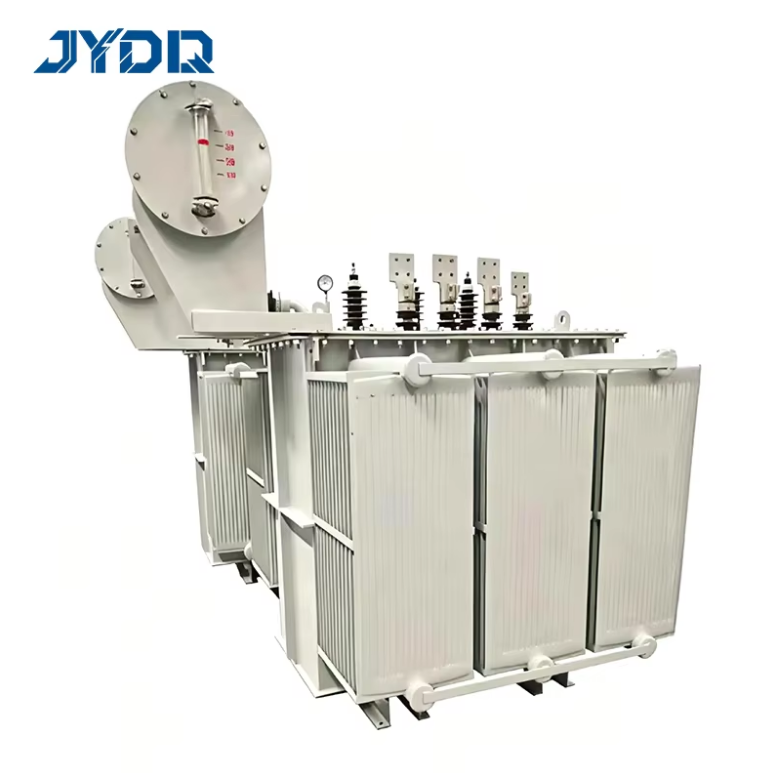
The industry recognizes several standardized transformer cooling methods, each suited to different operational contexts. Oil natural air natural cooling uses passive circulation without pumps or fans, offering simplicity and low maintenance but restricted capacity. Oil natural air forced cooling adds fans to accelerate air circulation over radiators, improving heat removal while maintaining passive oil movement. Oil forced air forced cooling employs pumps and fans for maximum heat dissipation, enabling highest power ratings and tightest temperature control. Water-cooled systems provide exceptional thermal capacity for large installations but require infrastructure investment and maintenance protocols. The selection among these cooling strategies fundamentally shapes the transformer's thermal design, footprint, cost, and operational flexibility.
Impact of Cooling Methods on Selection Criteria
Power Rating and Load Capacity Alignment
Transformer cooling methods directly determine maximum power rating and thermal load capacity. A transformer with natural cooling can handle lower continuous loads than an identical unit with forced cooling, because thermal design limits peak winding temperature rise under specific cooling conditions. Facilities expecting high sustained loads or future growth must prioritize transformer cooling methods that accommodate expanded capacity without physical replacement. Conversely, modest intermittent loads may be efficiently served by simpler passive cooling approaches, reducing initial investment and operational complexity. The thermal design rating of a transformer fundamentally constrains its useful life under specific load profiles, making cooling method selection critical for capacity planning.
Installation Environment and Space Constraints
The physical installation environment heavily influences which transformer cooling methods are practical. Indoor locations with space limitations often restrict transformer cooling configurations to compact natural circulation designs or water-cooled systems that eliminate large radiator arrays. Outdoor installations typically accommodate larger radiator surfaces and fan assemblies, making forced-air cooling economically attractive. Ambient temperature extremes affect thermal design performance; high ambient regions demand transformer cooling methods with superior heat rejection capability, while cold climates may allow simpler passive designs. Ventilation availability, dust contamination risk, moisture ingress potential, and acoustic constraints all factor into cooling method suitability, ultimately driving transformer selection decisions.
Maintenance Requirements and Operational Complexity
Different transformer cooling methods impose varying maintenance demands that impact total operating costs and facility staffing. Passive natural cooling requires minimal intervention, primarily routine oil analysis and visual inspection. Active forced cooling systems demand fan and pump maintenance, periodic seal inspection, and monitoring of mechanical components for wear. Water-cooled transformer cooling necessitates treatment protocols, circulation pump reliability verification, and corrosion monitoring. These maintenance profiles directly influence lifecycle costs and facility preparedness. Organizations must select transformer cooling methods aligned with their maintenance capabilities, available technical expertise, and budgeted downtime tolerance to ensure reliable thermal design performance throughout equipment service life.
Thermal Design Considerations in Equipment Selection
Temperature Rise and Thermal Performance Metrics
The thermal design of any transformer establishes acceptable temperature rise under rated conditions, typically specified as 55°C or 65°C for core and windings. Transformer cooling methods determine whether specified thermal design limits are achievable under worst-case ambient conditions. Oil-immersed transformer cooling with natural circulation may restrict temperature rise acceptance to 55°C in hot climates, whereas forced cooling enables higher ratings in identical ambient conditions. Selection criteria must account for the relationship between transformer cooling method, thermal design rise limits, and site ambient temperatures to ensure compliant operation. Exceeding thermal design boundaries accelerates insulation degradation and reduces transformer lifespan, making accurate thermal assessment essential to equipment selection accuracy.
Regulatory Compliance and Standards Alignment
International standards specify thermal design requirements and cooling method classifications that directly influence equipment selection processes. Transformers must be certified to relevant standards such as IEC 60076, which defines cooling method designations and thermal design temperature rise categories. Regulatory frameworks in many jurisdictions mandate specific transformer cooling methods for utility applications, renewable energy integration, or critical infrastructure protection. Selection decisions must verify that chosen cooling approaches meet applicable standards, environmental regulations, and grid interconnection requirements. Non-compliance risks equipment rejection, installation delays, and potential penalties, making standards alignment a fundamental selection criterion alongside thermal design and operational requirements.
FAQ
What transformer cooling method offers the best balance between cost and performance?
Oil natural air forced cooling represents the optimal balance for most industrial applications, combining reasonable initial cost with excellent thermal design performance and moderate maintenance complexity. This transformer cooling approach eliminates the expense and reliability concerns of pumping systems while delivering significantly better heat rejection than passive natural circulation. It suits moderate to substantial load requirements without the infrastructure demands of water cooling, making it the most cost-effective transformer cooling choice for typical facility installations.
How does ambient temperature affect transformer cooling method selection?
Ambient temperature directly influences which transformer cooling methods can maintain acceptable thermal design performance. In hot climates, transformer cooling with forced circulation becomes necessary to prevent excessive temperature rise, whereas moderate climates may support natural cooling adequately. Selection must account for seasonal variations and peak ambient conditions, ensuring chosen transformer cooling maintains thermal design compliance year-round. Undersized cooling capacity forces load curtailment during peak ambient periods, reducing effective equipment utilization and justifying investment in enhanced cooling methods.
Can transformer cooling methods be upgraded after installation?
Some transformer cooling method upgrades are feasible but limited in scope and expense-effectiveness. Adding fans to passive systems or improving radiator capacity provides modest enhancements, yet fundamental thermal design limitations persist. Complete cooling system conversion typically requires transformer replacement, making initial selection of appropriate transformer cooling methods far more economical than late-stage modifications. Equipment selection should anticipate future load growth and thermal demands to avoid premature replacement driven by inadequate cooling capacity.

 EN