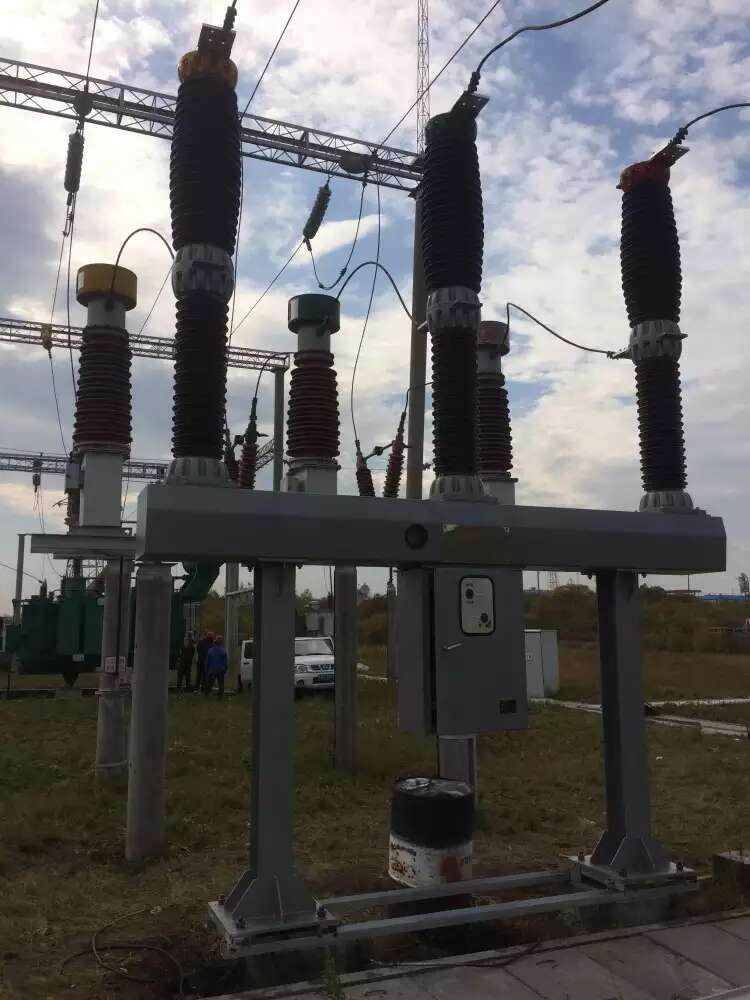
Effective lifecycle planning is essential for optimizing the performance and longevity of sulfur hexafluoride circuit breakers in high-voltage power systems. Organizations that implement comprehensive lifecycle strategies gain significant advantages in operational reliability, cost management, and equipment performance throughout the entire deployment period. Sulfur hexafluoride circuit breakers represent substantial capital investments, and strategic planning during every phase of their operational life directly impacts overall system efficiency and financial outcomes.
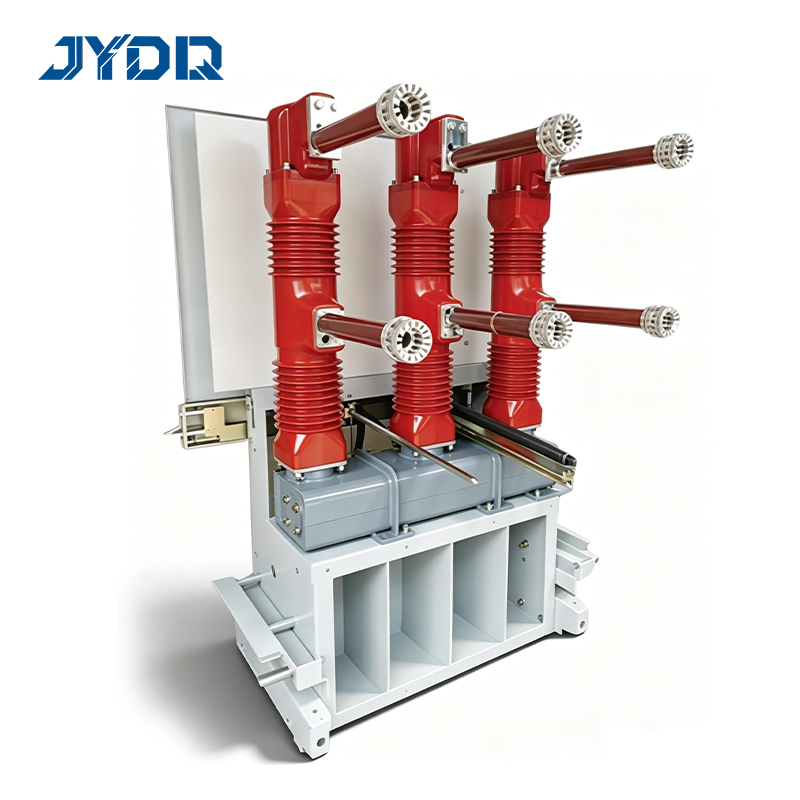
Lifecycle management encompasses planning, procurement, deployment, operation, maintenance, and eventual decommissioning or refurbishment of these critical devices. By adopting a structured lifecycle approach, power utilities and industrial facilities can anticipate maintenance needs, reduce unexpected failures, and maximize return on investment. This systematic framework transforms asset management from reactive troubleshooting into proactive optimization.
Understanding Lifecycle Planning for Sulfur Hexafluoride Circuit Breakers
The Complete Equipment Lifespan Perspective
Lifecycle planning views sulfur hexafluoride circuit breakers not as isolated devices but as integrated components within broader power infrastructure systems. The lifecycle encompasses initial design selection, installation commissioning, routine operation, preventive maintenance cycles, repairs, upgrades, and eventual replacement. Organizations that map this complete journey establish clear accountability for performance metrics at each stage. This holistic asset management perspective identifies cost drivers and efficiency opportunities that remain invisible in traditional compartmentalized approaches to equipment oversight.
Proactive lifecycle management requires understanding the specific operational environment, duty cycles, and performance expectations unique to each installation. Environmental factors such as ambient temperature, humidity, altitude, and pollution levels influence maintenance requirements and degradation rates. By documenting these conditions during the planning phase, facilities can customize maintenance schedules and component inspection protocols to match actual operating conditions rather than applying generic industry standards.
Strategic Asset Management Integration
Asset management strategies that incorporate lifecycle thinking enable organizations to optimize capital allocation across equipment portfolios. When asset management teams evaluate sulfur hexafluoride circuit breakers performance data systematically, they identify patterns in failure modes, replacement intervals, and maintenance cost trajectories. This data-driven approach supports better decisions about when to maintain existing equipment, upgrade components, or accelerate replacement timelines. Strategic asset management also facilitates budget forecasting and resource planning across multiple equipment categories and facility locations.
Integration of lifecycle perspectives into asset management workflows creates transparency around total cost of ownership. Facilities can compare the cumulative expenses associated with maintaining aging equipment against the capital and operational costs of replacement. This analysis often reveals that lifecycle-based decisions produce better financial outcomes than reactive approaches, as preventive interventions address issues before they cascade into cascading failures affecting system reliability.
Maintenance Optimization Through Lifecycle Planning
Predictive Maintenance and Condition Monitoring
Maintenance effectiveness improves dramatically when guided by lifecycle planning principles that emphasize early detection of degradation. Modern monitoring technologies integrated into sulfur hexafluoride circuit breakers provide real-time data on insulation quality, gas purity, moisture content, and mechanical condition. Facilities implementing lifecycle-based maintenance strategies utilize this data to schedule interventions at optimal timing rather than adhering to fixed calendar intervals. Condition-based maintenance reduces unnecessary service activities while ensuring critical repairs occur before equipment reaches failure thresholds.
Lifecycle planning establishes baseline performance metrics during initial commissioning, creating reference standards for detecting deviation from normal operating parameters. As the sulfur hexafluoride circuit breakers ages, systematic comparison against these baselines reveals gradual degradation requiring maintenance intervention. Early identification of emerging issues prevents catastrophic failures that compromise power delivery reliability and create safety hazards for personnel and infrastructure.
Maintenance Resource Planning and Scheduling
Lifecycle planning enables maintenance teams to allocate resources efficiently by forecasting service requirements across extended operational periods. When organizations understand the expected maintenance intensity at different lifecycle stages, they can hire qualified technicians, procure specialized tools, and schedule facility downtime strategically. This advance planning reduces emergency service expenses and minimizes unplanned outages disrupting power delivery to customers and operations. Maintenance coordination becomes more efficient when lifecycle planning synchronizes equipment overhaul schedules with seasonal demand patterns and grid maintenance windows.
Documentation practices supporting lifecycle management create institutional knowledge that survives technician transitions and organizational changes. Detailed maintenance records, performance trends, and component replacement histories inform future decisions about equipment reliability and remaining useful life. This accumulated asset management data guides training programs for maintenance personnel, ensuring consistent service quality and adherence to manufacturer specifications throughout the equipment lifecycle.
Financial and Operational Benefits of Lifecycle Approaches
Cost Reduction and Return on Investment
Organizations implementing comprehensive lifecycle planning consistently achieve lower total cost of ownership compared to facilities managing equipment reactively. By preventing catastrophic failures through timely maintenance, facilities avoid expensive emergency repairs, extended downtime, and potential equipment replacement before end-of-service expectations. Lifecycle-based asset management also reduces spare parts inventory requirements through better predictability of component needs, freeing capital for other operational investments. Financial planning becomes more reliable when lifecycle analysis provides accurate forecasting of maintenance budgets and equipment replacement timing.
The financial benefits extend beyond direct maintenance cost savings to include improved energy efficiency and regulatory compliance performance. Well-maintained sulfur hexafluoride circuit breakers operate with lower losses and improved switching accuracy, enhancing overall power system efficiency. Compliance with environmental regulations governing gas handling and equipment maintenance becomes more achievable when lifecycle planning includes scheduled inspections, proper gas recovery procedures, and documented maintenance activities demonstrating due diligence in equipment stewardship.
Reliability Enhancement and Risk Mitigation
Lifecycle planning reduces the probability of unexpected equipment failures that compromise power system reliability and customer service. When maintenance intervals align with actual degradation patterns identified through condition monitoring, critical components receive timely attention before reaching failure points. Asset management teams can identify equipment approaching end-of-service life and plan orderly replacement before reliability becomes compromised. This proactive risk management protects power delivery operations and reduces liability exposure associated with equipment failures.
Environmental and safety risks also diminish through systematic lifecycle management of sulfur hexafluoride circuit breakers. Proper handling, maintenance, and eventual decommissioning procedures prevent gas leaks and environmental contamination. Lifecycle planning ensures that personnel receive appropriate safety training for each equipment lifecycle phase, reducing accident risks and occupational health hazards. Regulatory agencies increasingly recognize lifecycle management as evidence of responsible equipment stewardship and environmental commitment.
FAQ
Why is lifecycle planning more effective than reactive equipment management?
Lifecycle planning enables organizations to anticipate maintenance needs and address issues before they escalate into failures, whereas reactive management responds to problems after they occur. Proactive approaches supported by lifecycle planning reduce emergency maintenance expenses, minimize unplanned downtime, and extend equipment useful life. Asset management guided by lifecycle perspectives produces better financial outcomes and more reliable operations compared to crisis-driven maintenance approaches. Strategic planning based on lifecycle analysis also improves workforce efficiency and decision quality regarding equipment replacement and upgrades.
How does condition monitoring support lifecycle-based maintenance of sulfur hexafluoride circuit breakers?
Condition monitoring technologies provide real-time data on equipment performance metrics, enabling maintenance teams to schedule interventions based on actual degradation rather than predetermined intervals. By tracking insulation quality, gas purity, moisture levels, and mechanical condition, facilities identify emerging problems early and perform maintenance at optimal timing. This condition-based approach maximizes equipment reliability while minimizing unnecessary service activities that consume resources without performance benefit. Integration of monitoring data into asset management systems creates transparency regarding equipment health and supports confident decision-making about maintenance priorities.
What role does lifecycle documentation play in asset management effectiveness?
Comprehensive lifecycle documentation creates institutional knowledge about equipment performance, maintenance history, and operational characteristics that guides current and future management decisions. Detailed records of maintenance activities, component replacements, and performance trends establish baseline standards for equipment evaluation and failure analysis. This documentation supports training programs for maintenance personnel and ensures consistent service quality across equipment portfolios. Lifecycle records also facilitate knowledge transfer when experienced technicians transition to other roles, preserving critical understanding of equipment-specific requirements and best practices throughout the organization.

 EN