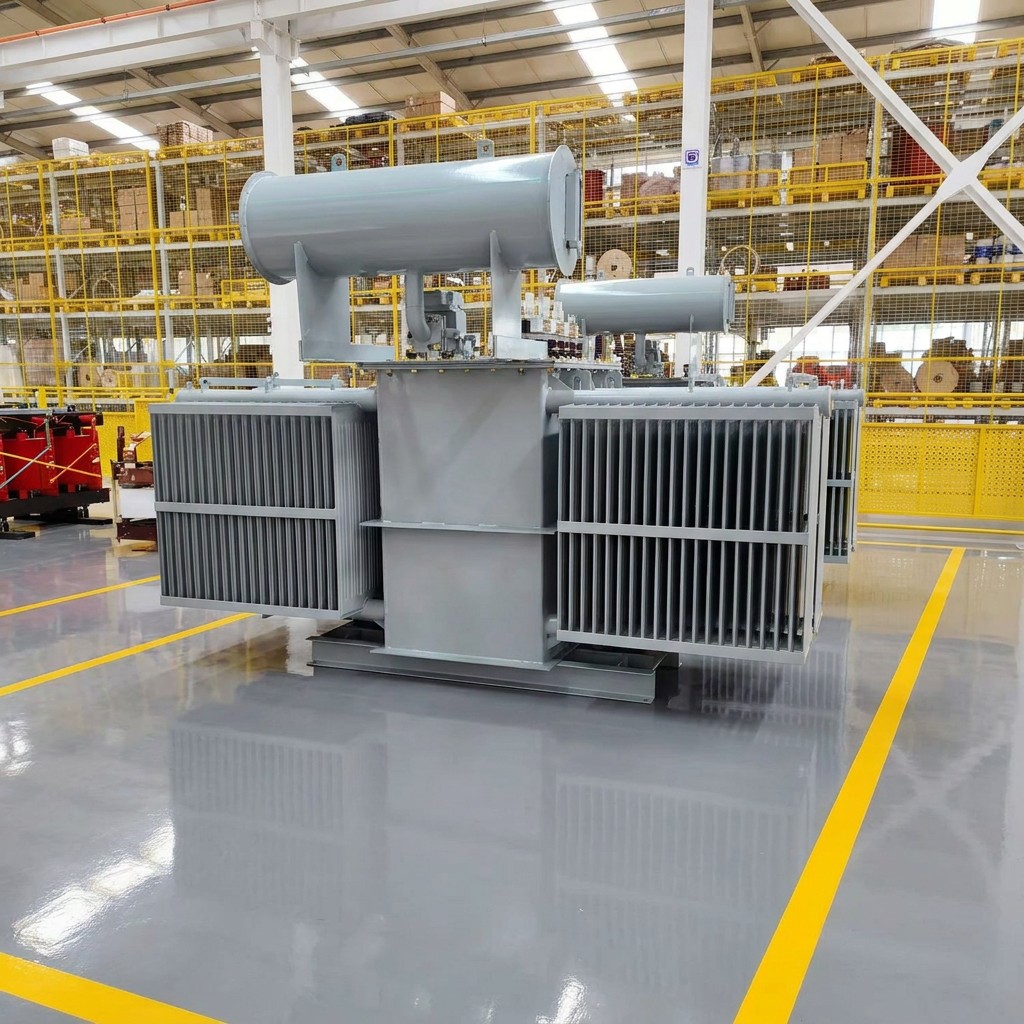
Selecting the right power distribution equipment requires more than comparing initial purchase prices. When evaluating dry-type transformer options, understanding the full financial picture across the equipment's operational lifetime is essential for making sound capital investment decisions. Organizations often focus narrowly on upfront costs, overlooking the substantial financial impact of ongoing operations, maintenance requirements, and energy efficiency throughout the transformer's service life.
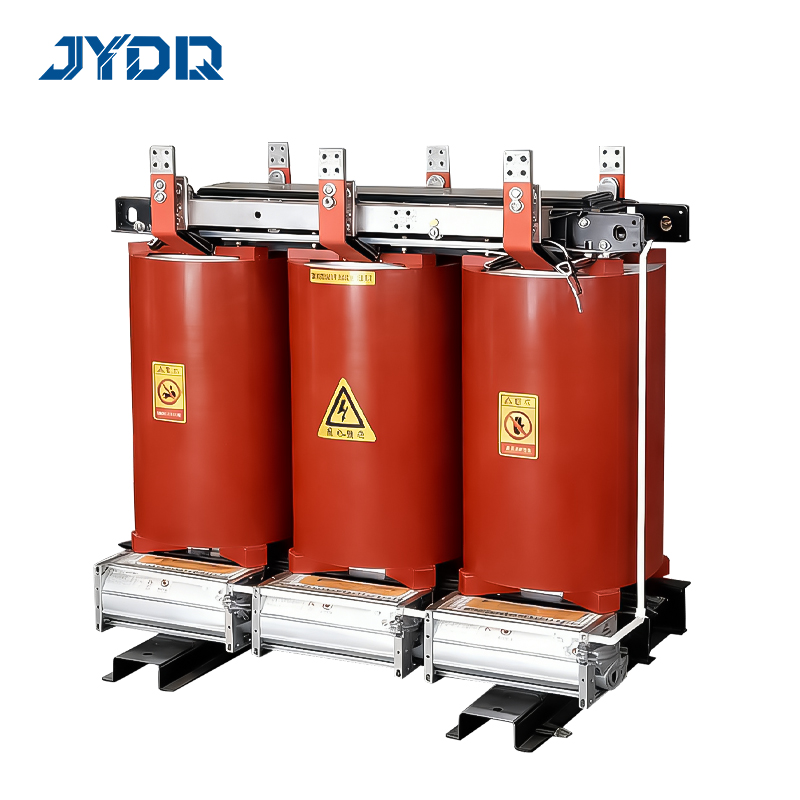
The lifecycle cost methodology provides a comprehensive framework for comparing Dry-Type Transformer alternatives by accounting for all expenses incurred from purchase through decommissioning. This approach transforms procurement decisions from a simple price comparison into a strategic evaluation that reveals true cost drivers and long-term operational efficiency.
Understanding Total Lifecycle Cost Components
Acquisition and Installation Expenses
The initial purchase price represents only the beginning of financial commitment. Installation costs include site preparation, electrical connections, protective housing systems, and commissioning procedures that vary significantly based on transformer specifications and facility requirements. Different dry-type transformer designs demand varying installation complexity; some configurations require extensive site modifications while others integrate seamlessly into existing electrical infrastructure.
Beyond physical installation, organizations must account for engineering support, permitting processes, and temporary power arrangements during installation phases. These indirect costs frequently represent ten to fifteen percent of total acquisition expenses and often receive insufficient attention during initial procurement planning.
Operating Expense Assessment
Energy loss represents the most consequential operating expense over a dry-type transformer's typical twenty to thirty-year service life. No-load losses occur continuously regardless of transformer utilization, while load losses scale proportionally with power transmission. Even modest efficiency differences compound dramatically across decades of continuous operation, making energy loss a primary lifecycle cost differentiator among transformer options.
Environmental factors, facility cooling capacity, and ambient temperature conditions all influence operating efficiency and corresponding energy consumption patterns. Facilities operating in hot climates or with constrained cooling systems experience magnified energy loss consequences, necessitating careful evaluation of thermal performance characteristics during the comparison process.
Evaluating Maintenance Cost and System Reliability
Maintenance Cost Implications
Maintenance cost profiles vary substantially among dry-type transformer designs and manufacturer quality standards. Cast-resin construction typically offers superior reliability and reduced maintenance requirements compared to vacuum pressure impregnation designs, translating directly to lower lifecycle costs through decreased service interventions and extended inspection intervals. Organizations should request detailed maintenance schedules and historical failure rate data when comparing specific transformer options.
Preventive maintenance strategies significantly influence total maintenance cost across the transformer's operational life. Regular monitoring systems, thermal imaging inspections, and condition-based assessment protocols can prevent catastrophic failures that result in emergency repairs, extended downtime, and production losses far exceeding routine maintenance investments.
Downtime and Business Interruption Costs
Transformer failure creates indirect costs that frequently overshadow direct repair expenses. Production interruptions, revenue losses, and remediation efforts following unexpected equipment shutdown can reach thousands of dollars per hour in industrial manufacturing environments. Selecting dry-type transformer options with proven reliability records and robust backup systems reduces business interruption risk and justifies premium pricing for higher-reliability alternatives.
Redundancy considerations emerge as critical factors in lifecycle cost analysis for mission-critical facilities. Facilities supporting continuous production processes justify investment in parallel transformer configurations that maintain power supply continuity during maintenance or emergency situations, effectively eliminating catastrophic downtime scenarios.
Comparing Efficiency and Environmental Impact
Energy Efficiency Standards and Performance Metrics
Industry efficiency standards such as DOE specifications and international guidelines establish baseline performance expectations for dry-type transformer options. Premium efficiency transformers reduce energy loss by fifteen to twenty-five percent compared to standard designs, generating measurable lifecycle cost savings through reduced electrical consumption. Calculate expected annual energy cost differentials by multiplying transformer losses in kilowatts by local electricity rates and annual operating hours.
Peak load conditions and seasonal demand variations should be incorporated into energy loss projections. Transformers operating consistently near maximum capacity ratings experience elevated losses compared to units sized with surplus capacity margin, creating complex optimization scenarios where slightly oversized dry-type transformer selections may reduce lifecycle cost despite increased initial capital investment.
Regulatory Compliance and Sustainability Considerations
Environmental regulations increasingly mandate improved energy efficiency and reduced emissions from industrial equipment. Selecting high-efficiency dry-type transformer options positions facilities for regulatory compliance while capturing energy savings that extend beyond immediate lifecycle cost calculations. Corporate sustainability commitments and carbon reduction targets further strengthen the business case for premium transformer selections.
End-of-life disposal costs and environmental remediation represent often-overlooked lifecycle cost factors. Modern dry-type transformer designs using environmentally responsible materials reduce decommissioning expenses and align with evolving environmental stewardship standards.
FAQ
What time period should I use when calculating lifecycle cost for dry-type transformer options?
Most manufacturers design dry-type transformers for twenty to thirty-year operational lifespans. Use the expected service life for your specific equipment and facility application when performing lifecycle cost calculations. Conservative analysis practices typically employ mid-range estimates of twenty-five years, though individual circumstances may justify shorter or longer evaluation periods based on facility plans and technology evolution expectations.
How significantly does maintenance cost impact total lifecycle cost compared to energy loss?
Energy loss typically dominates lifecycle cost calculations, representing sixty to seventy-five percent of total expenses across the transformer's service life in most industrial applications. Maintenance cost and business interruption expenses constitute secondary but still substantial factors. However, facilities with limited access to replacement power or those supporting critical production processes may experience maintenance cost and downtime impacts that rival energy loss significance, justifying detailed scenario analysis specific to individual facility circumstances.
Should I always select the highest-efficiency dry-type transformer available?
Maximum efficiency transformers command premium pricing that exceeds the lifecycle cost justification for some applications. Facilities with low utilization rates, intermittent demand patterns, or constrained capital budgets may achieve optimal lifecycle cost through mid-range efficiency selections rather than premium alternatives. Conduct detailed financial analysis comparing competing options using facility-specific electricity rates and anticipated operating schedules rather than assuming that premium specifications always deliver superior total lifecycle value.

 EN