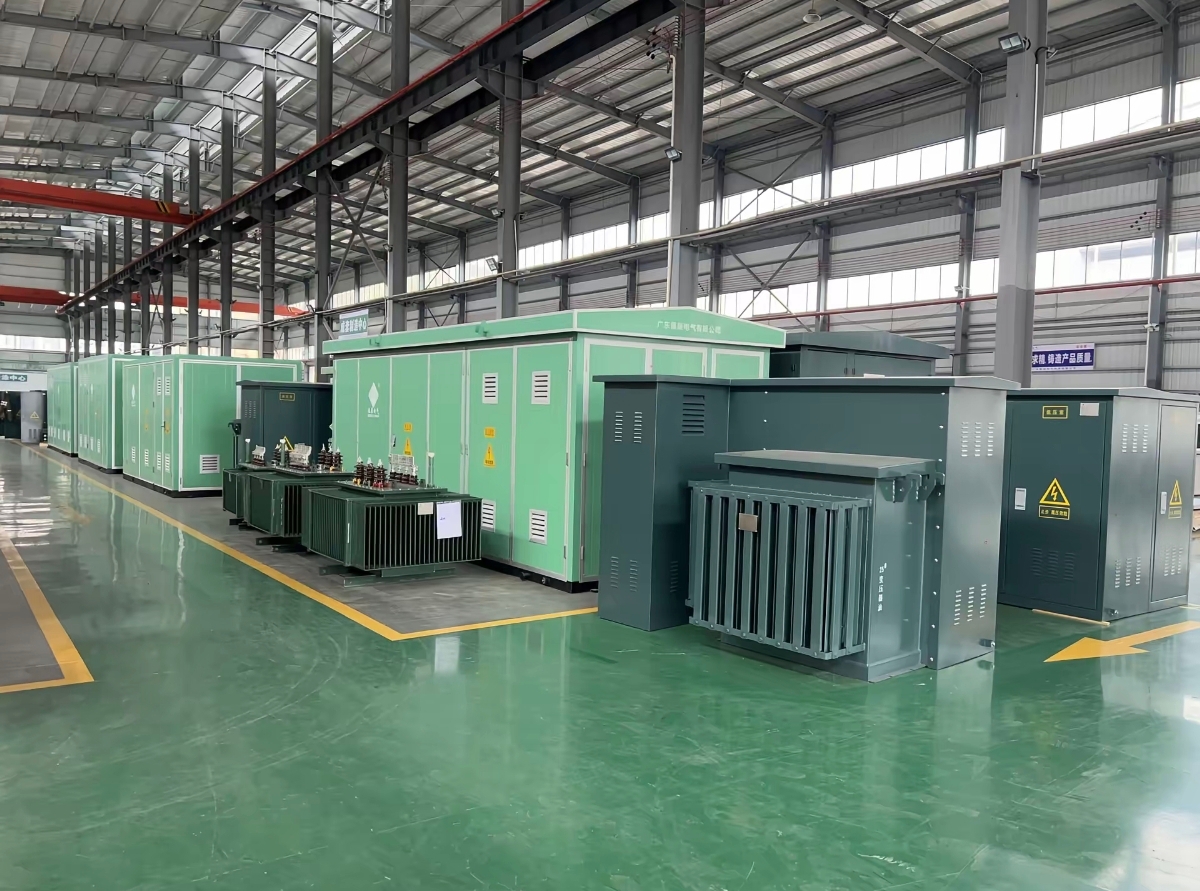
Planning transformer cable terminations and connection interfaces requires careful attention to technical specifications, safety standards, and operational reliability. A transformer serves as the backbone of electrical distribution systems, converting voltage levels while maintaining power integrity across industrial and utility networks. The quality of cable terminations directly impacts system performance, longevity, and safety compliance. Without proper planning, businesses face equipment failures, safety hazards, and costly downtime that could have been prevented through methodical preparation.
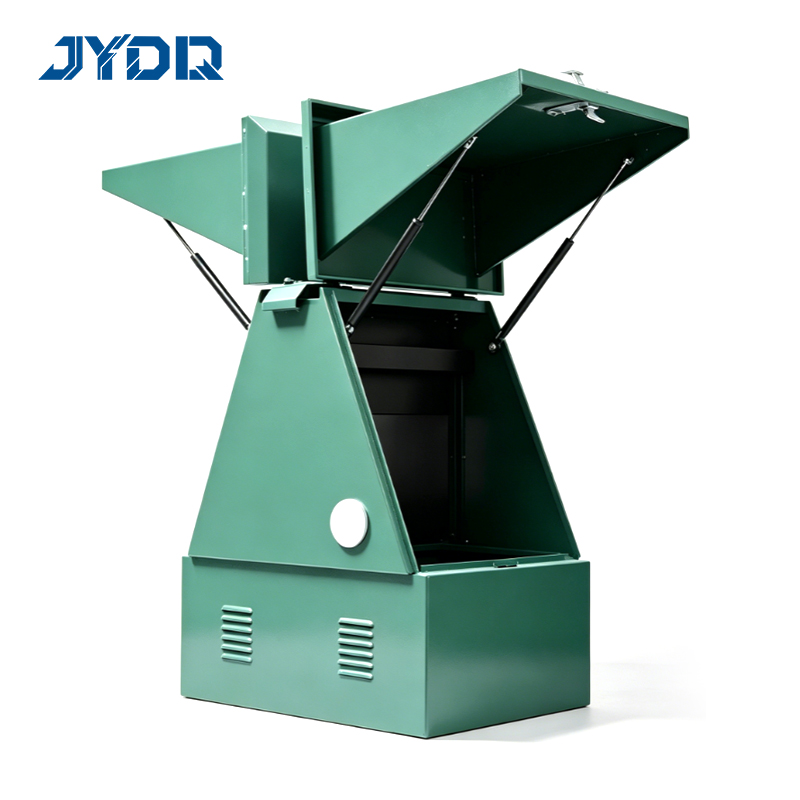
Effective planning of cable termination strategies ensures that your transformer installation operates at peak efficiency while meeting industry regulations. The connection interfaces must accommodate the specific voltage ratings, current capacities, and environmental conditions of your installation site. This comprehensive guide walks through the essential planning stages, from initial assessment through final installation verification, ensuring your transformer cable terminations deliver reliable performance for years to come.
Understanding Transformer Cable Termination Fundamentals
Core Components of Cable Termination Systems
Cable termination in transformer installations involves multiple critical components that work together to establish secure electrical connections. The primary elements include termination lugs, compression connectors, insulating sleeves, and mounting hardware designed to withstand mechanical stress and environmental exposure. Each component must be selected based on the cable gauge, material composition, and operational voltage requirements specific to your transformer. Understanding how these elements interact ensures that your cable termination system maintains electrical continuity and mechanical stability under normal and fault conditions.
The connection interface serves as the transition point between the transformer terminals and the external cable network. This interface must provide low-contact resistance to minimize power losses and heat generation during operation. Poor connection quality leads to voltage drops, increased transformer losses, and potential localized heating that degrades insulation materials. Planning the cable termination layout requires consideration of accessibility for maintenance, space constraints, and compliance with electrical codes that govern transformer installations in your jurisdiction.
Importance of Proper Installation Procedures
Correct cable termination installation directly affects transformer reliability and system safety. Improper terminations create points of weakness where corrosion, loosening, and electrical degradation occur more rapidly than in well-planned systems. The transformer cable connection must withstand thermal cycling, mechanical vibration, and environmental stresses throughout its operational life. Planning includes detailed procedures for preparing cable ends, applying appropriate termination lugs, torque specifications for bolted connections, and verification testing that confirms proper installation before energization.
Planning Cable Termination Layout and Interface Design
Assessing Voltage and Current Requirements
The initial planning phase involves thorough analysis of the electrical characteristics that determine cable termination sizing and connection robustness. Voltage ratings must match or exceed the transformer primary and secondary operating voltages, with consideration for transient overvoltages that may occur during switching operations or fault conditions. Current capacity of the cable termination components must accommodate the full transformer load current plus any anticipated future expansion margins. This assessment establishes the foundation for selecting appropriate cable gauges, terminal lugs, and connection hardware that ensures your installation remains within design safety factors.
Planning the connection interface requires careful calculation of expected current flow patterns and identification of potential bottlenecks or stress concentration points. Undersized termination components become hotspots where temperature rises excessively, accelerating insulation degradation and creating fire hazards. The cable termination design must incorporate thermal analysis to predict steady-state and transient temperature profiles under various load scenarios. This forward-looking approach prevents premature failures and extends the service life of your transformer installation while maintaining consistent power delivery to critical loads.
Environmental and Spatial Considerations
Successful transformer cable termination planning accounts for the physical environment where connections will be installed and maintained. Outdoor installations face exposure to moisture, UV radiation, salt spray, and temperature extremes that accelerate corrosion and material degradation. Indoor locations may experience vibration from adjacent equipment, dust accumulation, or limited accessibility that complicates maintenance work. The cable termination layout should maximize clearance for tools and personnel during inspection, testing, and eventual replacement procedures. Planning the connection arrangement vertically or horizontally depends on space availability and operational requirements within your facility.
Environmental planning also considers thermal management around the connection area. Cable terminations generate heat during current flow, and poor ventilation can cause localized temperature rises that exceed material specifications. The installation layout should allow natural convection or forced air cooling to maintain connection temperatures within acceptable ranges. Planning includes identification of nearby flammable materials, electrical hazards, or other equipment that might affect the safety or performance of your transformer cable termination system. These spatial considerations directly influence the long-term reliability and maintenance accessibility of your installation.
Implementing Best Practices for Connection Installation
Cable Preparation and Termination Techniques
Proper cable preparation establishes the foundation for successful termination that withstands operational stresses and environmental challenges. The cable outer insulation must be stripped to expose clean copper or aluminum conductor material without nicks, cuts, or contamination that introduces weak points into the connection. Cable termination lugs should be selected from materials compatible with the conductor type, preventing galvanic corrosion that occurs when dissimilar metals contact in the presence of moisture. Compression termination offers superior reliability compared to solder-based methods, creating mechanical joints that maintain integrity under thermal cycling and mechanical stress.
The compression process requires calibrated equipment that applies precisely controlled force to deform the termination lug around the prepared conductor. This mechanical bond creates a connection with resistance comparable to the cable itself, ensuring that electrical current flows smoothly from the conductor through the termination into the transformer connection point. Planning for cable termination installation includes training personnel in proper compression techniques, equipment calibration verification, and documentation that confirms each connection meets specification requirements. The installation process must follow rigid procedures to eliminate variations that could compromise connection quality or create safety hazards during transformer operation.
Testing and Verification Protocols
Comprehensive testing of transformer cable terminations and connection interfaces before energization provides assurance that your installation meets design specifications and safety standards. Resistance measurements at each connection point verify that termination quality achieves expected electrical continuity with minimal voltage drop. Thermographic imaging under load conditions identifies hotspots where resistance or mechanical stress concentrates, indicating potential problems before they cause equipment damage. These verification protocols document baseline performance that allows comparison with future measurements to detect degradation trends early in the transformer service life.
Planning should include acceptance criteria that define acceptable performance ranges for resistance, insulation, and thermal characteristics measured during commissioning. Documentation of test results creates a baseline record that supports warranty claims, facilitates troubleshooting if problems develop later, and demonstrates compliance with applicable standards to regulatory authorities. Regular maintenance testing throughout the transformer operational life tracks connection condition and identifies emerging issues requiring attention. This systematic approach to verification ensures your cable termination system maintains peak performance and catches potential failures before they cause operational interruptions.
FAQ
What are the main factors to consider when planning transformer cable terminations?
Planning transformer cable terminations requires consideration of voltage ratings, current capacity, environmental exposure, accessibility for maintenance, thermal management, and compliance with electrical codes. The cable termination design must accommodate the specific operational characteristics of your transformer while ensuring that all connections remain mechanically secure and electrically sound throughout the equipment life cycle. Proper planning prevents failures and ensures your transformer installation delivers reliable service while maintaining safety compliance.
How does cable termination quality affect transformer performance and reliability?
Cable termination quality directly impacts transformer efficiency, thermal performance, and equipment longevity. Poor terminations introduce resistance that causes power losses, generates excessive heat, and accelerates insulation degradation. High-quality cable terminations with low contact resistance minimize these losses, maintain proper thermal profiles, and extend transformer service life. Reliable connections also reduce maintenance requirements and downtime associated with connection-related failures that compromise system stability and safety.
What testing procedures verify that transformer cable terminations meet installation specifications?
Verification testing includes resistance measurements at each termination point, insulation resistance testing between conductors and ground, and thermographic imaging during loaded conditions to identify hotspots. These tests confirm that cable termination installation achieves design specifications and that no mechanical damage or contamination compromised connection quality. Documentation of baseline test results supports ongoing maintenance monitoring and enables early detection of degradation that might indicate developing problems requiring corrective action before failures occur.

 EN