Oil leakage represents one of the most common operational challenges affecting transformer performance and longevity. When an oil immersed transformer begins to leak, it creates cascading problems that compromise cooling efficiency, insulation integrity, and overall equipment reliability. Understanding the root causes of oil leakage is essential for operators, maintenance teams, and facilities managers who depend on these critical assets for continuous power distribution. The consequences of unchecked oil loss extend beyond simple fluid replacement costs, affecting transformer lifespan, safety compliance, and environmental responsibility.
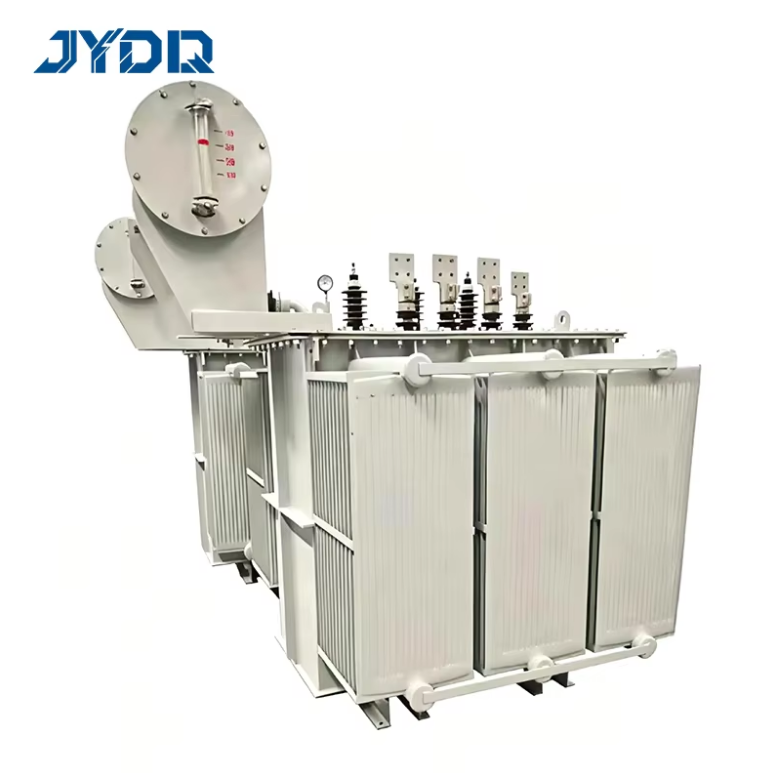
The mechanisms behind oil leakage are multifaceted, stemming from design vulnerabilities, manufacturing defects, installation errors, and progressive wear. An oil immersed transformer relies on robust sealing systems to contain pressurized oil that circulates through the core and windings for thermal management. When sealing integrity degrades, oil escapes through flanges, gaskets, bushings, and access covers. This article explores the primary causes of oil leakage, the role of preventive maintenance, and how operators can implement effective strategies to minimize loss and extend transformer asset life.
Primary Causes of Oil Leakage
Sealing System Deterioration
The sealing components in an oil immersed transformer work under demanding conditions, experiencing thermal cycling, pressure fluctuations, and chemical stress from the mineral oil itself. Gaskets and elastomeric seals degrade over time due to oxidation, temperature exposure, and moisture absorption. The natural aging process causes materials to become brittle, lose elasticity, and develop micro-cracks that allow oil to weep through previously tight joints. Gasket compression relaxation, a phenomenon where sealing materials gradually flatten and lose contact force, contributes significantly to creeping oil loss at flanged connections.
Manufacturing inconsistencies can introduce defects in sealing materials or improper installation during assembly. If gaskets are not compressed uniformly or if the mating surfaces contain microscopic scratches, oil will find pathways to escape. The quality of the sealing compound, the precision of bolt torque specifications, and the surface finish of flanges all influence whether the connection remains watertight. Over the transformer's operational life, thermal stress causes differential expansion between the tank wall and sealing components, gradually opening gaps that initiate or accelerate leakage.
Maintenance and Operational Failures
Inadequate maintenance directly leads to preventable oil leakage. When maintenance intervals are extended beyond recommended schedules, bolt tightness deteriorates as vibration and thermal cycling gradually loosen fasteners. An oil immersed transformer requires periodic inspection and bolt re-torquing to combat this natural loosening. Facilities that skip these routine tasks experience accelerated sealing degradation and higher incidence of leaks. Additionally, improper oil sampling, filter changes, or drain procedures can leave connections loose or gaskets misaligned, creating new leak sources.
Operational stressors compound maintenance neglect. Overloading causes sustained elevated temperatures that accelerate gasket deterioration and increase internal pressure against sealing systems. Inadequate cooling, whether from blocked radiators or failed cooling fans, exacerbates thermal stress on seals. Environmental contamination, including dust, moisture, and corrosive substances, degrades exposed sealing surfaces and accelerates chemical breakdown of elastomer materials. In harsh industrial environments, atmospheric acid rain or salt spray chemically attacks unsealed connection areas, weakening the bond between gasket and tank surface.
Structural and Design Contributors
Tank Integrity and Corrosion Issues
The structural integrity of the transformer tank itself plays a critical role in preventing oil leakage. Corrosion from the inside develops when moisture and oxygen react with the tank wall, creating rust that compromises structural strength and creates micro-holes or pits. An oil immersed transformer's internal surfaces are typically protected by a layer of mineral oil, but if water ingress occurs through breathing systems or poor sealing, corrosion accelerates rapidly. Pitting corrosion can penetrate through thin tank sections, particularly near welds or stress concentration areas.
External corrosion is equally problematic, particularly in coastal, industrial, or humid environments. Salt spray, acid rain, and atmospheric pollutants attack the external tank surface, creating rust cells that eventually penetrate to the interior. As corrosion progresses, the structural wall thins, reducing its ability to contain pressurized oil. Weld seams represent high-risk areas because corrosion often initiates along welds where material composition changes or surface preparation is suboptimal. Regular external inspection, protective coatings, and maintenance in harsh environments are essential to extend tank service life and prevent stress-induced leakage.
Bushing and Connection Weaknesses
Bushings serve as critical sealing interfaces where high-voltage leads pass through the transformer tank. These ceramic or resin components must maintain perfect seals to prevent oil from migrating along the conductor path and escaping. Bushing degradation causes significant oil leakage because the internal pressure of an oil immersed transformer actively drives oil outward through any available pathway. Cracks in bushing porcelain, deterioration of sealing putty around bushing bases, or separation between the bushing and tank flange allow controlled oil escape. Age-related material brittleness makes older bushings particularly vulnerable to sealing failure.
Connection points for drain valves, thermometer wells, pressure relief devices, and conservator piping all represent potential oil leakage sources. These auxiliary connections often receive less attention during maintenance cycles, yet they contribute disproportionately to total oil loss. Valve stems corrode, connection threads wear, and sealing materials dry out and crack. An integrated approach to sealing maintenance must address all connection types, not only the major tank flanges. Even small leaks from these secondary sources accumulate to significant losses over extended operation periods.
Prevention and Maintenance Strategy
Systematic Sealing Maintenance
Effective prevention begins with establishing a comprehensive maintenance schedule that prioritizes sealing integrity. Routine inspection should identify visible oil seepage, corrosion initiation, and gasket condition changes at frequencies aligned with operational duty and environmental severity. Bolt tightness verification using calibrated torque wrenches ensures consistent clamping force maintains gasket compression throughout the transformer's service life. When gaskets show signs of compression set or surface degradation, replacement during scheduled outages prevents emergency leakage and associated downtime.
Oil leakage can be minimized through proactive gasket management and material selection appropriate to operating conditions. High-temperature resistant elastomer compounds and modern gasket designs offer improved longevity compared to older standards. Silicone-based sealants and composite gaskets provide superior resilience to thermal cycling and chemical exposure. For transformers operating in aggressive environments, enhanced sealing materials and protective coatings justify the incremental investment through extended service intervals and reduced maintenance labor. Documentation of maintenance activities establishes a historical record that guides replacement timing and identifies recurring problem areas requiring design attention.
Operational Excellence and Environmental Control
Maintaining optimal operating conditions directly reduces stress on sealing systems and extends their functional life. Controlling load profiles to avoid sustained overload conditions prevents excessive temperature rise that accelerates gasket aging. Ensuring adequate cooling through clean radiator surfaces, operational cooling fans, and proper ventilation reduces the thermal stress that compromises sealing materials. Implementing moisture control through effective breathers and desiccant systems prevents water ingress that triggers internal corrosion and accelerates chemical breakdown of elastomer components.
Environmental protection significantly impacts sealing durability. In corrosive industrial settings or coastal regions, protective tank coatings and regular cleaning remove atmospheric contaminants before they attack unprotected surfaces. Proper drainage of accumulated water and regular oil sampling detect early signs of contamination that could compromise sealing chemistry. These operational practices transform sealing maintenance from reactive emergency response into proactive asset management that preserves reliability, reduces unplanned downtime, and minimizes environmental impact from oil loss.
FAQ
What are the early warning signs of oil leakage in an oil immersed transformer?
Early warning signs include visible oil stains or seepage around tank flanges, bushings, valves, and drain connections. Oil discoloration or cloudiness indicates water ingress, which accelerates internal corrosion and sealing degradation. Elevated moisture content detected during oil analysis suggests seals are failing to maintain proper barriers. Declining oil level readings from conservator systems without documented removal point to active leakage. Regular inspections that document photographs and specific measurements enable detection of slowly developing problems before they reach critical severity.
How frequently should maintenance focus on sealing inspection for oil immersed transformers?
Maintenance intervals should align with operational duty cycle and environmental exposure. Transformers operating continuously or in harsh environments benefit from semi-annual sealing inspections, while those in controlled indoor environments can extend intervals to annual reviews. High-risk locations such as coastal or industrial zones warrant increased frequency due to accelerated corrosion. When establishing maintenance schedules, consider the transformer's age, historical leakage patterns, and manufacturer recommendations. After any major event such as fault clearing, overload condition, or unusual temperature spike, immediate sealing verification prevents delayed leakage discovery.
Can oil leakage from sealing failures be repaired without removing the oil immersed transformer?
Minor sealing leaks from loose bolts or slightly compressed gaskets can sometimes be arrested through tightening or spot repairs while the transformer remains in service, though this approach carries risk. Most significant sealing failures require deenergizing the transformer, draining oil, removing tank covers or components, and replacing gaskets or sealing compounds. Some modern sealant technologies allow application to external surfaces while in service, providing temporary containment. However, permanent resolution typically demands outage and systematic gasket replacement to ensure reliable long-term performance and prevent environmental release of mineral oil.

 EN