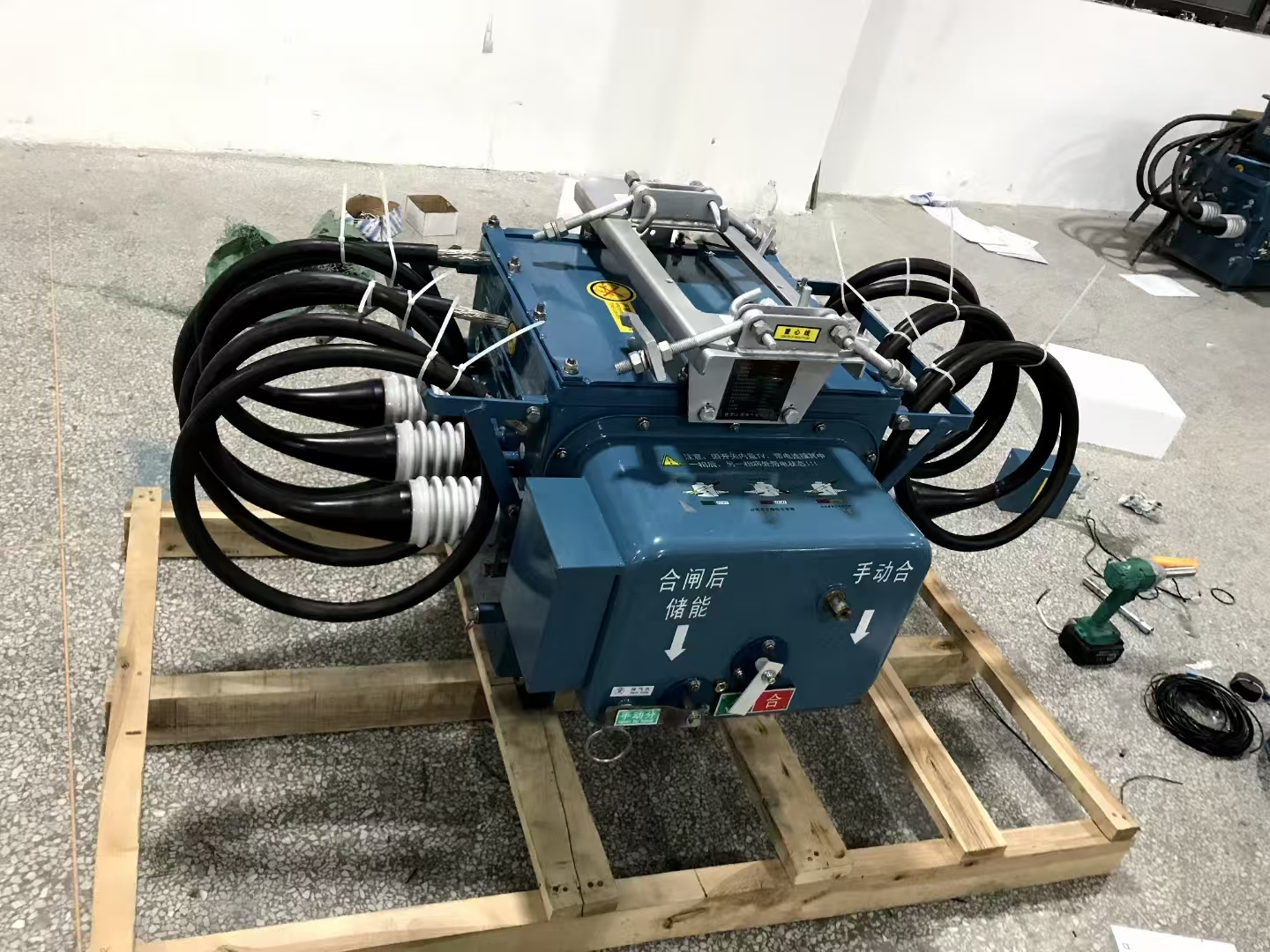
Determining when to replace or upgrade your vacuum circuit breakers is a critical decision for industrial and utility operations. These components are essential for protecting electrical systems from faults and overloads, yet many facility managers struggle to identify the optimal timing for breaker replacement or upgrade interventions. Understanding the lifecycle stage of your existing vacuum circuit breakers helps you balance operational reliability with capital expenditure planning.
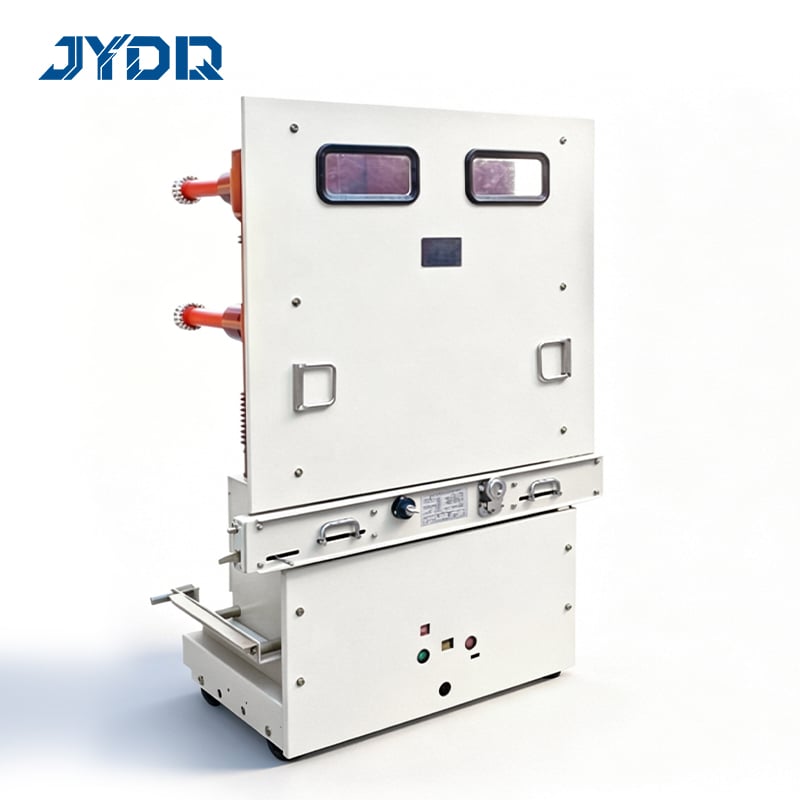
The decision to pursue breaker replacement or upgrade depends on multiple factors including equipment age, performance degradation, maintenance history, and evolving system demands. Organizations that implement structured asset management practices can systematically evaluate each breaker's condition and make informed upgrade decisions that align with business priorities and safety requirements.
Age and Equipment Lifecycle Signals
Understanding Breaker Service Life Expectations
Most vacuum circuit breakers are designed with a service life of 20 to 30 years under normal operating conditions. However, this timeline can vary significantly based on operational intensity, environmental factors, and maintenance practices. When your vacuum circuit breakers approach or exceed their manufacturer-recommended service life, replacement or upgrade becomes increasingly important to avoid unexpected failures that could disrupt operations or compromise safety.
The typical lifespan is measured in both calendar years and operating cycles. A breaker that has operated at high cycling rates may reach end-of-life faster than one with lighter duty cycles. Tracking both metrics through asset management systems enables you to make data-driven breaker replacement decisions rather than relying solely on installation date.
Signs Your Equipment Needs Renewal
Physical deterioration and performance changes signal when breaker replacement or upgrade should be prioritized. Common indicators include visible corrosion on contacts, difficulty in manual tripping, sluggish operation speed, or increasing maintenance call frequency. Additionally, if spare parts for your existing vacuum circuit breakers become harder to obtain from suppliers, this often precedes manufacturer discontinuation and makes upgrade decisions more urgent.
Environmental stress accelerates aging in vacuum circuit breakers. High-temperature environments, extreme humidity, or corrosive atmospheres shorten component lifespan and may necessitate earlier replacement. Facilities in challenging environments should monitor their breakers more frequently and plan upgrade cycles accordingly.
Performance Degradation and Maintenance Trends
Measuring Operating Efficiency Changes
As vacuum circuit breakers age, subtle performance shifts emerge that reliable asset management processes can detect. Contact resistance gradually increases, leading to higher operating temperatures and slower response times. Tracking maintenance records and thermal imaging data over time reveals whether your breakers are entering a degradation phase that warrants replacement or upgrade planning.
Modern diagnostic tools enable condition-based assessment of breaker health without full disassembly. Arc duration, contact erosion rates, and vacuum integrity can be measured to project remaining service life and support breaker replacement timing decisions. This preventive approach reduces the risk of unplanned outages.
Rising Maintenance Costs and Repair Frequency
When maintenance and repair costs for your vacuum circuit breakers climb steadily year after year, upgrade becomes economically justified. A general rule is that once annual repair costs reach 50 percent of replacement cost, breaker replacement or upgrade typically offers better long-term value. This economic threshold analysis is a core component of asset management strategy.
Frequent recalibration, solenoid replacement, or contact cleaning indicates that your vacuum circuit breakers are consuming more resources than optimal. Cumulative downtime, spare parts inventory costs, and technician labor should all factor into the upgrade decision equation.
Operational Demands and System Evolution
Capacity and Capability Mismatches
Industrial and utility systems evolve over time, often requiring greater breaker capacity or enhanced functionality than older vacuum circuit breakers can provide. If your facility has added new loads, installed renewable energy sources, or reconfigured distribution networks, existing breakers may no longer adequately protect the updated system. This mismatch is a primary driver for planned upgrade initiatives within asset management frameworks.
Communication and monitoring capabilities have also advanced significantly. Legacy vacuum circuit breakers often lack digital interfaces, remote trip capability, or integration with modern supervisory control and data acquisition systems. Organizations seeking to implement smart grid technologies or predictive maintenance programs frequently choose upgrade paths that incorporate intelligent breaker functions.
Regulatory and Standards Compliance
Evolving electrical codes and industry standards sometimes render older vacuum circuit breakers non-compliant with current requirements. Utility commissions, facility standards, or insurance providers may mandate breaker replacement to meet updated safety or environmental regulations. Asset management programs should regularly audit breaker specifications against applicable standards to identify compliance-driven upgrade requirements early.
Safety improvements embedded in newer breaker designs often justify replacement or upgrade even when existing equipment remains functional. Enhanced arc containment, improved accessibility for maintenance, and better integration with personnel protection systems represent meaningful safety advances that merit planned investment.
Strategic Asset Management Framework
Lifecycle Planning and Budget Allocation
Effective asset management requires creating a breaker inventory database that tracks age, operating history, maintenance records, and performance metrics for each vacuum circuit breaker in your facility. This structured approach enables you to schedule breaker replacement or upgrade interventions during planned maintenance windows rather than responding to emergency failures. Facilities with mature asset management disciplines typically spend 20 to 30 percent less on unplanned maintenance than reactive operators.
Planning multiple-year upgrade timelines allows you to prioritize replacements based on risk assessment. High-consequence breakers protecting critical circuits warrant earlier replacement or upgrade consideration, while lower-risk applications can operate longer before intervention becomes necessary.
Balancing Risk, Cost, and Timing
The optimal breaker replacement or upgrade decision balances technical condition, operational risk, financial constraints, and implementation logistics. Some organizations adopt run-to-failure strategies for non-critical vacuum circuit breakers while maintaining aggressive preventive replacement for mission-critical applications. Others prefer time-based replacement to minimize unpredictability regardless of apparent remaining life.
Collaborative planning between maintenance teams, engineering, and finance departments ensures that upgrade decisions align with business strategy and capital budgets. Asset management software can model various replacement scenarios and identify the most cost-effective timing that minimizes operational disruption.
FAQ
How can I tell if my vacuum circuit breakers need immediate replacement?
Immediate vacuum circuit breakers replacement is warranted if the breaker fails to trip reliably during tests, shows visible damage or leakage, demonstrates uncontrollable arc duration, or if your maintenance records show multiple failures within a short timeframe. Additionally, if the breaker has exceeded its manufacturer service life and lacks spare parts availability, breaker replacement should be prioritized before unexpected failure occurs.
What is the difference between breaker replacement and upgrade?
Breaker replacement means installing an identical or similar breaker with equivalent ratings and functionality to maintain system compatibility. Upgrade involves installing a breaker with enhanced capabilities, such as digital monitoring, higher capacity, improved safety features, or modern communication interfaces. An upgrade typically costs more but provides additional operational benefits beyond simple restoration of existing function.
How does asset management help with vacuum circuit breaker decision-making?
Asset management systems track lifecycle data, maintenance history, and performance metrics for all vacuum circuit breakers, enabling condition-based assessments rather than guesswork. This structured approach identifies patterns, predicts remaining life, calculates repair versus replacement economics, and supports long-term capital planning for optimal breaker replacement and upgrade timing that minimizes operational disruption and maximizes financial value.

 EN