Tank design represents one of the most underrated yet fundamentally important aspects of an oil immersed transformer. While many engineers focus primarily on electrical specifications and winding configuration, the physical architecture of the transformer tank directly determines how effectively the unit manages thermal stress, mechanical forces, and operational longevity. A well-engineered tank design ensures optimal cooling performance, protects internal components from external contamination, and provides the structural integrity necessary to withstand fault conditions and transportation impacts.
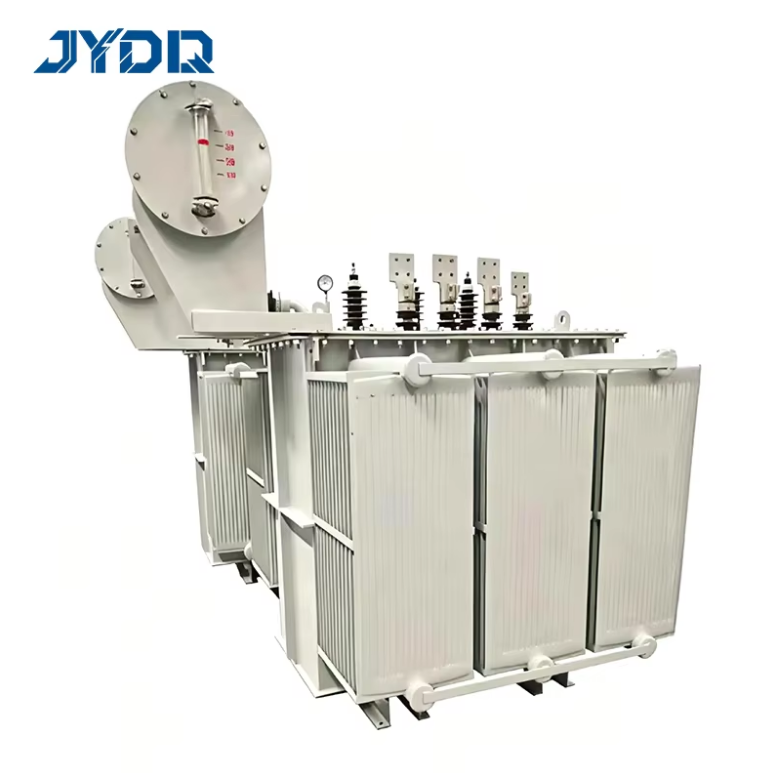
Understanding the critical role of transformer tank design goes beyond recognizing its basic function as a container for oil and internal components. The tank serves as an integrated system that influences thermal distribution, mechanical stability, maintenance accessibility, and long-term service reliability. This comprehensive analysis explores why tank design decisions impact every aspect of transformer performance and operational economics.
Thermal Management and Cooling Performance
Heat Dissipation Through Tank Surface Area
The transformer tank's surface area and material properties fundamentally affect how efficiently an oil immersed transformer releases heat into the surrounding environment. Larger surface areas enable more effective heat transfer from the hot oil to ambient air, which directly reduces operating temperatures and extends insulation life. The tank material, typically steel with proper surface treatment, must balance thermal conductivity with structural strength and corrosion resistance. Engineers optimize tank dimensions and proportions to maximize cooling surface while maintaining practical manufacturing tolerances and transportation constraints.
Oil Circulation and Internal Flow Patterns
Tank geometry directly controls how cooling oil circulates around the transformer windings and core. The mechanical design of internal baffles, oil ducts, and circulation pathways determines whether hot oil efficiently contacts cooler oil near the tank perimeter. Poor circulation patterns create thermal dead zones where oil stagnates and temperatures rise uncontrollably. Conversely, optimized transformer tank design ensures natural convection patterns drive continuous renewal of oil near heat sources, maintaining uniform temperature distribution throughout the oil immersed transformer and preventing localized hotspots that accelerate insulation degradation.
Structural Integrity and Environmental Protection
Pressure Containment and Mechanical Robustness
An oil immersed transformer operates under internal pressure from oil expansion during heating cycles and from internal arcing fault conditions. The transformer tank must withstand these pressure fluctuations without permanent deformation or oil leakage. Tank wall thickness, reinforcement patterns, and material grade are mechanical design elements that determine burst pressure capability and fatigue resistance. Additionally, the tank must survive transportation impacts, installation stresses, and external mechanical loads during its operational life. Inadequate mechanical design leads to costly failures, environmental spills, and extended downtime that disrupts power systems.
Moisture and Contamination Barriers
The transformer tank acts as the primary physical barrier protecting the oil and internal components from external moisture, dust, and contaminants that degrade insulation performance and electrical properties. Tank sealing design, breathable vent specifications, and access port construction must prevent moisture ingress while allowing pressure equalization and oil expansion. Advanced tank designs incorporate silica gel breathers, drain valve configurations, and sealed bushing arrangements that collectively maintain internal oil purity. This protective function becomes especially critical in humid industrial environments where moisture invasion can rapidly compromise the transformer's dielectric strength and create short-circuit risks.
Design Optimization and Practical Implementation
Manufacturing Standards and Quality Control
Proper transformer tank design must balance engineering requirements with manufacturing feasibility and cost-effectiveness. The mechanical design specifications must accommodate standard fabrication processes, welding procedures, and quality inspection protocols. Tank design choices influence the number of components, weld complexity, and material waste, which ultimately affect production cost and delivery timelines. Standardized tank designs reduce engineering iterations and improve manufacturing consistency, whereas custom designs for specialized applications require rigorous analysis and prototype testing to validate thermal and mechanical performance assumptions before full production commitment.
Maintenance Access and Serviceability
Tank design significantly impacts maintenance efficiency and long-term operational economics of an oil immersed transformer. The location and size of access covers, cleaning ports, and inspection windows determine how readily technicians can perform internal inspections, component repairs, and oil sampling procedures. Tanks designed with adequate internal space and strategically positioned openings reduce maintenance time and associated costs. Poor access design forces technicians into inefficient procedures or requires partial tank disassembly, increasing labor expenses and exposure risks. This serviceability aspect of mechanical design deserves consideration during initial specification phase to optimize the transformer's total cost of ownership throughout its operational lifetime.
FAQ
How does transformer tank design affect oil cooling efficiency in an oil immersed transformer?
Tank design controls cooling efficiency through surface area optimization, internal oil circulation patterns, and material thermal properties. Larger surface areas expose more oil to ambient air for heat rejection, while properly engineered internal baffles ensure continuous circulation that brings hot oil to the cooler tank perimeter. The mechanical design of cooling ducts and the tank's overall proportions determine whether natural convection effectively removes heat generated by core and winding losses, directly impacting operating temperatures and insulation preservation in the oil immersed transformer.
What structural failure risks arise from inadequate transformer tank design?
Inadequate mechanical design creates pressure containment failures, permanent deformation, and catastrophic oil leakage during normal operation or fault conditions. If the tank cannot withstand thermal expansion pressure or internal arcing faults, ruptures occur that compromise system safety and trigger environmental concerns. Transportation and installation impacts also expose poorly designed tanks to cracking or joint separation. These structural failures directly threaten the oil immersed transformer's operational safety, reliability, and regulatory compliance, making sound mechanical design an essential engineering requirement.
Why should transformer tank design considerations influence the purchase and specification decision?
Tank design quality directly determines long-term reliability, maintenance requirements, operational cost, and environmental safety of an oil immersed transformer. Specifications that prioritize robust cooling design, protective barrier construction, and design serviceability yield lower failure rates, reduced maintenance expenses, and extended service life. Engineers and procurement professionals must evaluate tank design features alongside electrical ratings to select transformers that deliver optimal total cost of ownership and operational performance throughout their intended service duration.

 EN