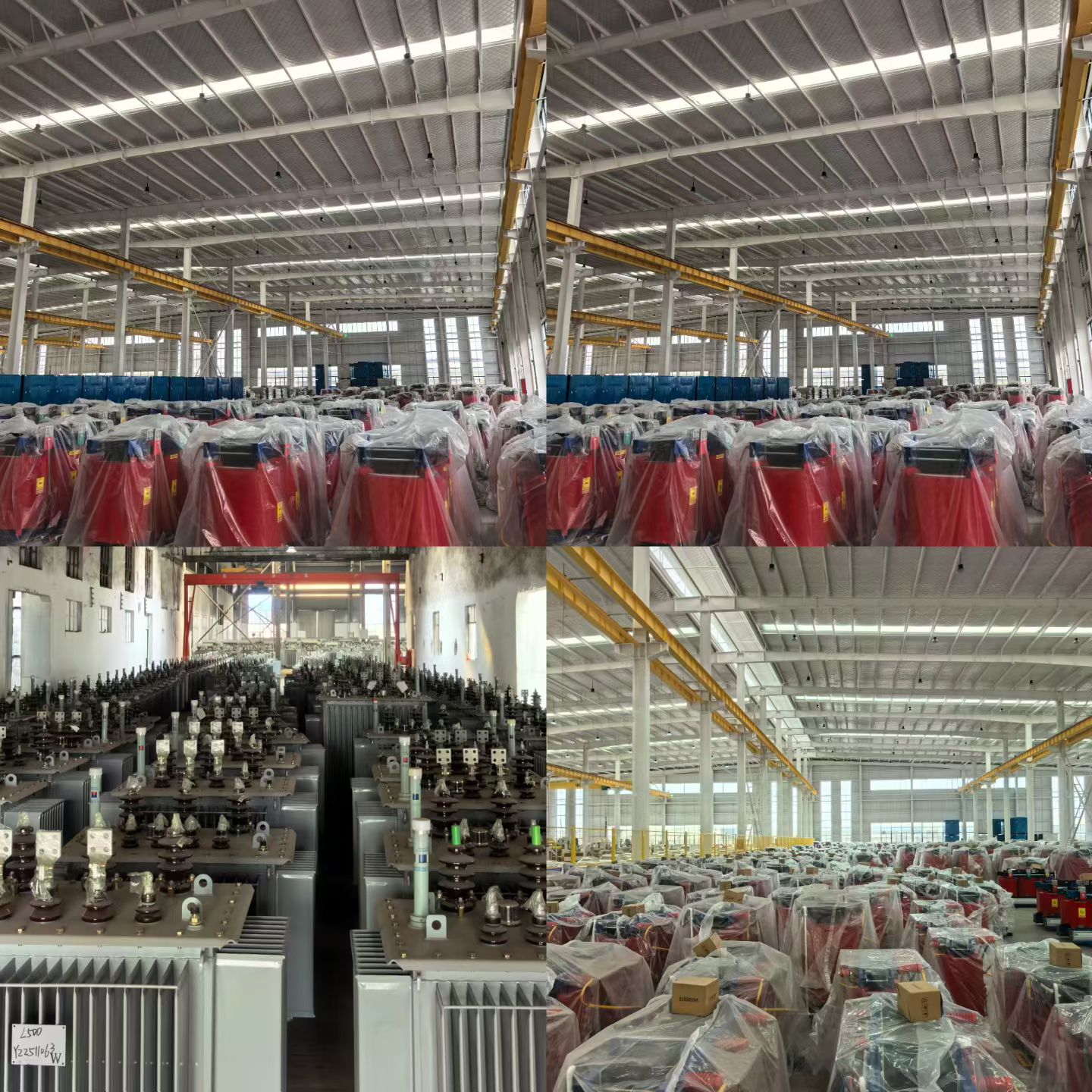
Selecting the right transformer for large electrical projects requires careful evaluation of multiple quotations and a comprehensive understanding of procurement considerations. When comparing transformer quotations, procurement professionals must look beyond the initial purchase price to assess the full scope of project requirements and long-term value. The quotation process plays a critical role in ensuring that your organization receives equipment that meets technical specifications while optimizing total cost of ownership across the project lifecycle.
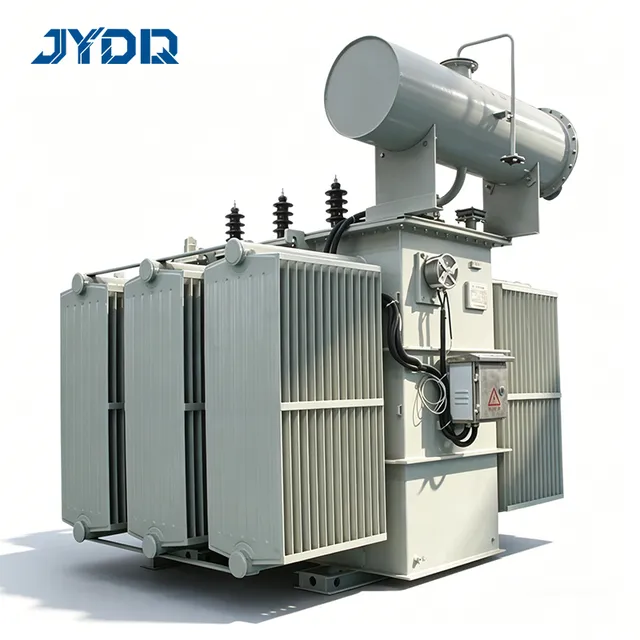
Large electrical projects demand rigorous quotation analysis because the stakes are high and the financial impact is significant. A poorly evaluated quotation can lead to cost overruns, installation delays, and performance issues that compromise the entire project. Understanding how to systematically compare transformer quotations ensures that procurement teams make data-driven decisions that align with project objectives and budget constraints.
Understanding Core Elements in Transformer Quotations
Technical Specifications and Compliance
Every transformer quotation must clearly specify the technical parameters that define equipment suitability. These include voltage ratings, power capacity, impedance values, cooling methods, and insulation classes. When comparing quotations, verify that each one addresses your exact technical requirements and that all specifications comply with relevant industry standards. A transformer designed for incorrect voltage or insufficient capacity will create serious operational risks, making it essential to confirm these details before evaluation proceeds.
Delivery Timeline and Logistics
Project schedules often depend on transformer delivery dates, making procurement timelines a critical comparison factor. Each quotation should specify lead times, shipping arrangements, and installation support availability. Unexpected delays in transformer procurement can cascade through your project timeline, affecting subcontractors and creating financial penalties. Comparing delivery commitments across quotations helps you identify realistic schedules and avoid suppliers who cannot meet project demands.
Evaluating Total Cost Beyond Purchase Price
Hidden Costs and Installation Expenses
The total cost of a transformer extends far beyond the initial equipment purchase. When comparing quotations, examine whether pricing includes transportation, site preparation, installation labor, testing, commissioning, and system integration. Some suppliers quote only equipment cost while others bundle comprehensive services. Calculate the complete financial picture by adding all line items to understand true total cost implications. A lower equipment price often masks higher service costs, making detailed quotation breakdown essential for accurate comparison.
Operating and Maintenance Costs
Long-term transformer operating expenses significantly impact total cost evaluation. Different transformer designs offer varying efficiency ratings, cooling requirements, and maintenance intensity. A high-efficiency transformer may cost more initially but delivers substantial savings through reduced energy consumption and minimal downtime. Review quotations for maintenance plans, spare parts availability, and warranty coverage that affect lifecycle expenses. Your procurement decision should weigh these ongoing costs against initial quotation prices to determine which option provides the best overall value.
Risk and Warranty Considerations
Warranty terms in transformer quotations directly influence your financial risk profile. Quotations should specify warranty duration, coverage scope, and conditions for claims. A comprehensive warranty protects against unexpected failure costs and demonstrates supplier confidence in equipment quality. When comparing quotations, evaluate not just warranty length but practical coverage that addresses your operational environment and usage patterns. Additional insurance or extended protection options represent additional total cost elements that deserve careful consideration in your final selection.
Procurement Strategy and Supplier Evaluation
Supplier Reputation and Technical Support
Procurement decisions must account for supplier reliability and technical expertise. Research each supplier's track record in serving projects similar to yours and verify their ability to provide ongoing technical support throughout the transformer lifecycle. Customer references from previous large electrical projects offer valuable insights into supplier responsiveness and performance consistency. A quotation from a less familiar supplier may appear attractive financially, but lacking post-sale support can create serious challenges during installation and commissioning phases.
References and Performance History
Request detailed references from suppliers who have provided transformers for comparable large electrical projects. Direct conversations with existing customers reveal important details about supplier reliability, quality consistency, and support responsiveness that quotations cannot capture. Ask references specifically about project challenges, how the supplier responded to issues, and whether the transformer performed as specified. This reference evaluation process strengthens your procurement decision-making and reduces the risk of selecting an unsuitable supplier.
FAQ
What should I prioritize when comparing transformer quotations?
Prioritize technical compliance first to ensure the transformer meets your project requirements, then evaluate total cost including installation, commissioning, and ongoing expenses. Supplier reliability and warranty terms should be weighted equally with financial factors since poor support can create costly delays in large electrical projects.
How do I calculate total cost from multiple transformer quotations?
Create a detailed line-item breakdown for each quotation that includes equipment cost, delivery, installation labor, testing, commissioning, first-year maintenance, and warranty coverage. Add all components to generate a true total cost figure, then compare quotations on an equivalent basis by standardizing any service differences across the competitive set.
What procurement red flags should I watch for in transformer quotations?
Be cautious of quotations that lack detailed technical specifications, offer unrealistically low prices compared to competitors, provide vague delivery timelines, or exclude critical support services. Quotations from suppliers without verifiable references or experience in large projects also warrant additional scrutiny before procurement authorization.

 EN