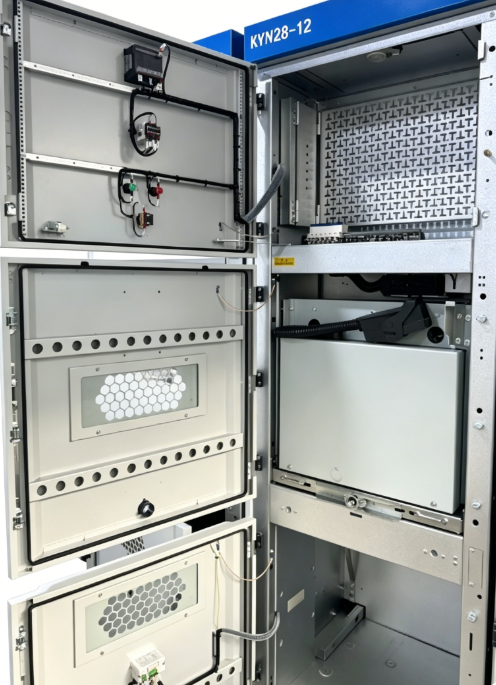
Receiving a prefabricated box-type transformer on-site marks a critical milestone in your substation deployment timeline. However, the moment of delivery is not the end of the procurement process—it is the beginning of a rigorous validation phase. Proper delivery inspection directly impacts installation success, commissioning timelines, and long-term operational reliability. Without comprehensive post-delivery verification, hidden damage, misconfigurations, or documentation errors can cascade into costly project delays, safety hazards, and premature equipment failure.
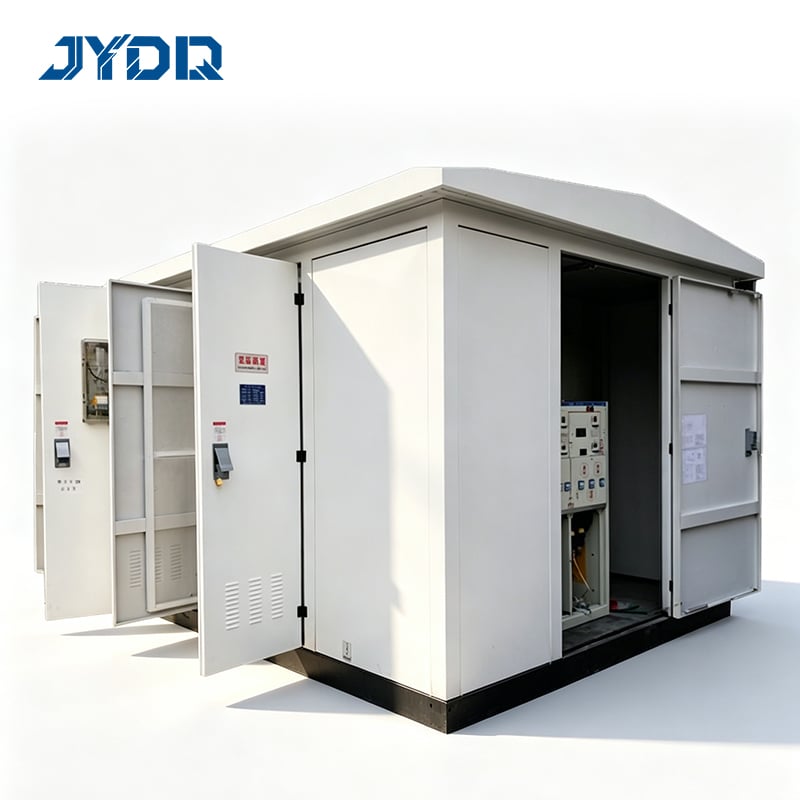
This guide provides industrial maintenance teams and project managers with a structured delivery inspection framework for prefabricated substations. Whether you manage utility distribution networks, industrial facilities, or renewable energy installations, understanding how to systematically verify unit condition, functional integrity, and documentation compliance ensures your project stays on schedule and within budget. The inspection process spans three core domains: physical and structural assessment, electrical and mechanical verification, and administrative documentation review.
Physical and Structural Condition Assessment
Exterior Damage and Corrosion Evaluation
Begin your delivery inspection by examining the exterior surfaces of the prefabricated substation. Look for dents, cracks, rust spots, paint damage, or evidence of impact during transit. The housing should present a clean, intact surface free of obvious defects. Check corners, edges, door seals, and cable entry points carefully—these areas absorb impact during transportation and often reveal transport-related damage. Document any surface corrosion, especially if the unit has been stored outdoors before delivery. Minor cosmetic scratches may be acceptable, but structural damage or corrosion affecting enclosure integrity must be flagged and escalated immediately.
Foundation and Mounting Interface Verification
Prefabricated box-type transformer units must sit on properly prepared foundations. Inspect the mounting feet, anchor bolt holes, and foundation contact surfaces for alignment and damage. Verify that the foundation meets the specifications outlined in the technical drawings. Check bolt tightness and ensure all fasteners are present and undamaged. Misaligned foundation preparation is one of the most common post-delivery issues that compromises commissioning. Place the unit carefully into position and verify that all four mounting points make full contact with the foundation. Any gaps or rocking indicates foundation problems that must be corrected before installation proceeds.
Electrical and Mechanical System Verification
Cable Connections and Termination Inspection
Electrical connections represent the highest-risk elements during transport and deserve meticulous attention during delivery inspection. Open the cable entry compartment and verify that all high-voltage and low-voltage terminals are present, correctly labeled, and securely fastened. Check for loose connectors, corroded terminals, or moisture intrusion inside enclosures. Ensure cable insulation is intact and free of cuts, abrasions, or heat damage. Test the continuity of all ground connections using a multimeter. Any sign of water ingress, corrosion, or mechanical looseness in electrical terminals must be documented and corrected before energization. For critical circuits, apply a protective coating or silicone sealant to exposed terminals to prevent future moisture ingress.
Cooling and Ventilation System Operational Check
Prefabricated substations often incorporate cooling fans, radiators, or ventilation louvers to maintain safe operating temperatures. Verify that cooling system components are free of shipping debris, impact damage, or blockages. If the unit includes forced-air cooling, run a brief operational test to confirm fan rotation, motor function, and air flow continuity. Inspect radiator fins for deformation, blockage, or corrosion. Clean any protective covers or shipping bracing materials that may restrict air circulation. Improper cooling during the first operational hours can cause temperature rises that trigger alarms or reduce transformer lifespan, so this verification is essential before commissioning begins.
Control System and Instrumentation Validation
Modern prefabricated box-type transformer units integrate digital control systems, monitoring sensors, and protective relays. During delivery inspection, verify that all control cabinets, display panels, and sensor connections are intact and properly seated. Check that control power supplies are functional and that system indicator lights respond to commands. Perform a visual walkaround of all instrumentation to confirm nothing has shifted, become loose, or sustained impact damage. Run the system through a basic self-test sequence if the operational manual permits. Document any error codes or anomalies observed. If the unit includes remote monitoring or SCADA integration, verify that communication ports are clean, undamaged, and ready for connection.
Documentation and Commissioning Readiness Assessment
Technical Documentation and Certification Review
Comprehensive technical documentation is fundamental to safe installation and commissioning. Verify that the delivery package includes factory test reports, quality certificates, electrical schematics, mechanical drawings, operational manuals, and safety documentation. Cross-reference unit serial numbers, model numbers, and performance ratings against the purchase order and project specifications. Check that all required certifications (pressure vessel, electrical safety, environmental compliance) are present and current. Missing or incomplete documentation delays commissioning and creates liability exposure. Photograph and securely store digital copies of all documentation for future reference and maintenance records. If any documentation is missing or unclear, contact the manufacturer immediately to request replacement or clarification before proceeding with installation.
Pre-Installation Preparation and Sign-Off Protocol
Once physical, electrical, and mechanical inspections are complete, prepare a formal delivery acceptance report documenting all findings, defects, and corrective actions. Photograph defects with clear timestamps and location markers. If major defects are identified, formally reject the unit or negotiate repair timelines with the supplier before accepting delivery. Have all inspection findings reviewed by the project engineer and site manager. Once acceptance is confirmed, schedule the installation timeline and ensure the site team is trained on equipment-specific commissioning procedures. The delivery inspection checklist should be signed off by both the supplier's field representative and the receiving facility's authorized personnel, creating a formal record of unit condition at the point of handover.
FAQ
What are the most common defects found during prefabricated substation delivery inspection?
The most frequent delivery-related defects include loose electrical terminals, cable insulation damage, cooling fan misalignment, housing corrosion, foundation interface misalignment, and missing or damaged protective covers. Additionally, documentation errors such as missing test reports or mismatched serial numbers are common administrative issues. Moisture intrusion into control cabinets during transport is another critical concern that requires immediate attention to prevent operational failures during commissioning.
How long should a thorough prefabricated box-type transformer delivery inspection take?
A comprehensive inspection typically requires two to four hours depending on unit complexity, size, and documentation completeness. Simple visual and mechanical checks may take one to two hours, while detailed electrical terminal verification, cooling system testing, and control system validation extend the timeline. Budget additional time for photographic documentation and defect reporting. Rushing this process increases the risk of missing critical defects that become expensive problems during installation and commissioning.
What should happen if major defects are discovered after delivery?
Major defects discovered during delivery inspection should trigger an immediate formal notification to the supplier and project manager. Document all defects with photographs and detailed descriptions. Classify defects by severity: critical issues that prevent safe operation require factory-level repair or unit replacement, while minor cosmetic defects may be acceptable or addressed during commissioning. Negotiate repair timelines and cost responsibility with the supplier before finalizing acceptance. Keep the unit secured and protected pending resolution, and do not proceed with installation until all critical defects are resolved.

 EN