Ambient temperature plays a critical role in determining how much load a transformer can safely handle. The relationship between ambient temperature and transformer loading is fundamental to electrical system design and operational reliability. When environmental conditions shift, the capacity limits of power distribution equipment change proportionally, directly affecting facility planning, maintenance schedules, and energy efficiency outcomes. Understanding this connection helps engineers, facility managers, and electrical professionals make informed decisions about equipment ratings, placement, and operational protocols.
The thermal behavior of transformers depends heavily on how effectively heat can be dissipated into the surrounding environment. Higher ambient temperatures reduce the temperature gradient between the transformer core and windings versus the external air, limiting the rate at which internal heat can escape. This constraint directly reduces the maximum current the transformer can carry without exceeding safe temperature limits, a concept known as thermal derating. For industrial and utility applications, accounting for ambient temperature in loading calculations is essential for preventing transformer degradation, extending service life, and maintaining system reliability.
Thermal Performance and Temperature Derating
Understanding Core Heat Generation
A transformer generates heat through resistive losses in its copper windings and core material during operation. These losses are inherent to the conversion process and increase with load current. The thermal performance of the unit depends on how rapidly this internal heat can transfer to the surrounding air through the cooling system. When ambient temperature rises, the air surrounding the transformer is already warmer, reducing its ability to absorb heat from the equipment surfaces. This phenomenon means the transformer reaches its maximum allowable winding temperature at lower loading levels compared to operation in cooler conditions.
Thermal Derating Curves and Calculations
Transformer manufacturers publish thermal derating curves that quantify how loading capacity decreases as ambient temperature increases. These curves typically assume a reference ambient temperature, often 20°C or 30°C depending on the equipment class and cooling method. For every degree Celsius above the reference temperature, the maximum permissible loading is reduced proportionally. Standard calculation methods apply a derating factor that accounts for the nonlinear relationship between temperature rise and load. Engineers use these derating factors to adjust the nameplate capacity, ensuring the transformer operates within safe thermal limits regardless of environmental conditions. Accurate application of derating is crucial in regions with high seasonal temperature variations or in facilities where transformer location exposes equipment to direct sunlight or adjacent heat sources.
Ambient Temperature Effects on Transformer Capacity
Direct Impact on Loading Limits
When ambient temperature exceeds design assumptions, the transformer loses available thermal headroom. If a transformer is rated for 1000 kVA at 30°C ambient, its actual permissible loading may drop to 850 kVA when ambient reaches 45°C, depending on the specific cooling class and design margins. This reduction in loading capacity has direct operational implications: facilities in hot climates or seasonally warm regions must either oversize their transformers or accept reduced loading during peak temperature periods. Understanding this relationship helps prevent emergency equipment failures and unplanned load-shedding events. Industrial facilities in arid regions, tropical climates, or locations with significant solar exposure must carefully evaluate how ambient temperature will constrain their transformer selection and operational flexibility.
Cooling Method Considerations
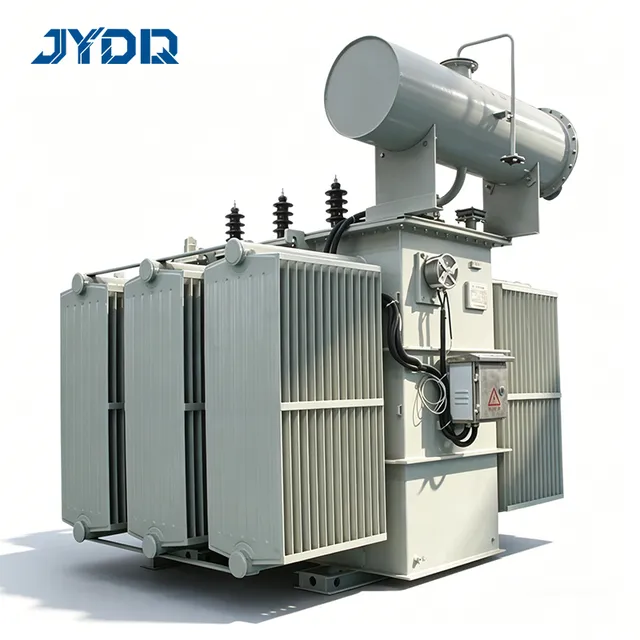
Different cooling methods respond differently to ambient temperature changes. Oil-immersed transformers with passive air cooling (ONAN) experience more pronounced derating in hot environments compared to transformers equipped with forced-air or water cooling systems. Forced-oil-air-cooled (OFAF) transformers maintain better loading capacity across wider temperature ranges because the cooling fans actively move air regardless of ambient conditions. However, forced-cooling systems require electrical power, add operational complexity, and involve higher maintenance demands. The choice of cooling method directly influences how ambient temperature will constrain loading throughout the year. Facilities evaluating transformer specifications must consider both the peak ambient temperatures they will experience and the acceptable trade-offs between cooling sophistication and operational overhead.
Practical Strategies for Managing Temperature-Related Loading Constraints
System Design and Equipment Selection
Proper transformer selection begins with realistic assessment of ambient conditions. Engineers should apply local historical climate data rather than generic assumptions when calculating derating factors. A transformer specified for operation at 30°C average ambient may face sustained 50°C or higher temperatures in certain industrial or outdoor environments, making nameplate capacity effectively unusable during warm seasons. Specifying equipment rated for actual peak ambient temperatures, or selecting units with enhanced cooling capabilities, ensures more consistent loading margins throughout the operational year. Oversizing transformers slightly to account for thermal derating often proves more cost-effective than managing capacity constraints or scheduling loads around temperature-driven restrictions. In addition, positioning transformers in naturally cooler locations—such as shaded areas or indoor enclosures with ventilation—can meaningfully reduce effective ambient temperature exposure.
Operational Monitoring and Load Management
Facilities with transformers operating in challenging thermal environments benefit from continuous temperature monitoring. Modern transformer monitoring systems track both the external ambient temperature and internal winding temperature, enabling operators to adjust loads in real time based on actual thermal conditions rather than worst-case assumptions. Load-shedding protocols can be automated to prevent transformer overheating during peak ambient temperature periods, protecting equipment lifespan and system stability. Seasonal load planning that anticipates temperature-driven capacity reductions helps prevent operational surprises and emergency responses. Documentation of peak ambient temperatures and corresponding safe loading levels creates a practical operating envelope that facility teams can reference daily, reducing reliance on complex calculations during routine operations.
FAQ
How much does loading capacity decrease for every degree Celsius increase in ambient temperature?
The derating rate depends on the transformer cooling class and design. For typical oil-immersed passive-air-cooled transformers, loading capacity decreases approximately 0.5% to 1.0% for each degree Celsius above the reference ambient temperature. Transformers with enhanced cooling systems show smaller derating rates. Exact values are provided by manufacturers in thermal performance curves specific to each unit's design specifications.
What is the standard reference ambient temperature used in transformer specifications?
Most transformer manufacturers use either 20°C or 30°C as the standard reference ambient temperature for rating their equipment. Some specialized industrial transformers may reference 25°C or 40°C. The reference temperature must be clearly stated in the transformer specification sheet. Always confirm the reference temperature before applying derating calculations to ensure accuracy.
Can forced cooling systems eliminate ambient temperature effects on transformer loading?
Forced cooling systems substantially reduce but do not eliminate ambient temperature sensitivity. Even with forced-air or forced-oil cooling, some derating occurs as ambient temperature rises because cooling fluid efficiency and heat rejection capacity decline in hotter environments. However, derating curves for force-cooled transformers are much flatter than passive systems, allowing more consistent loading across temperature ranges. The practical benefit of forced cooling becomes most apparent in consistently hot climates where passive cooling would impose severe capacity restrictions.

 EN