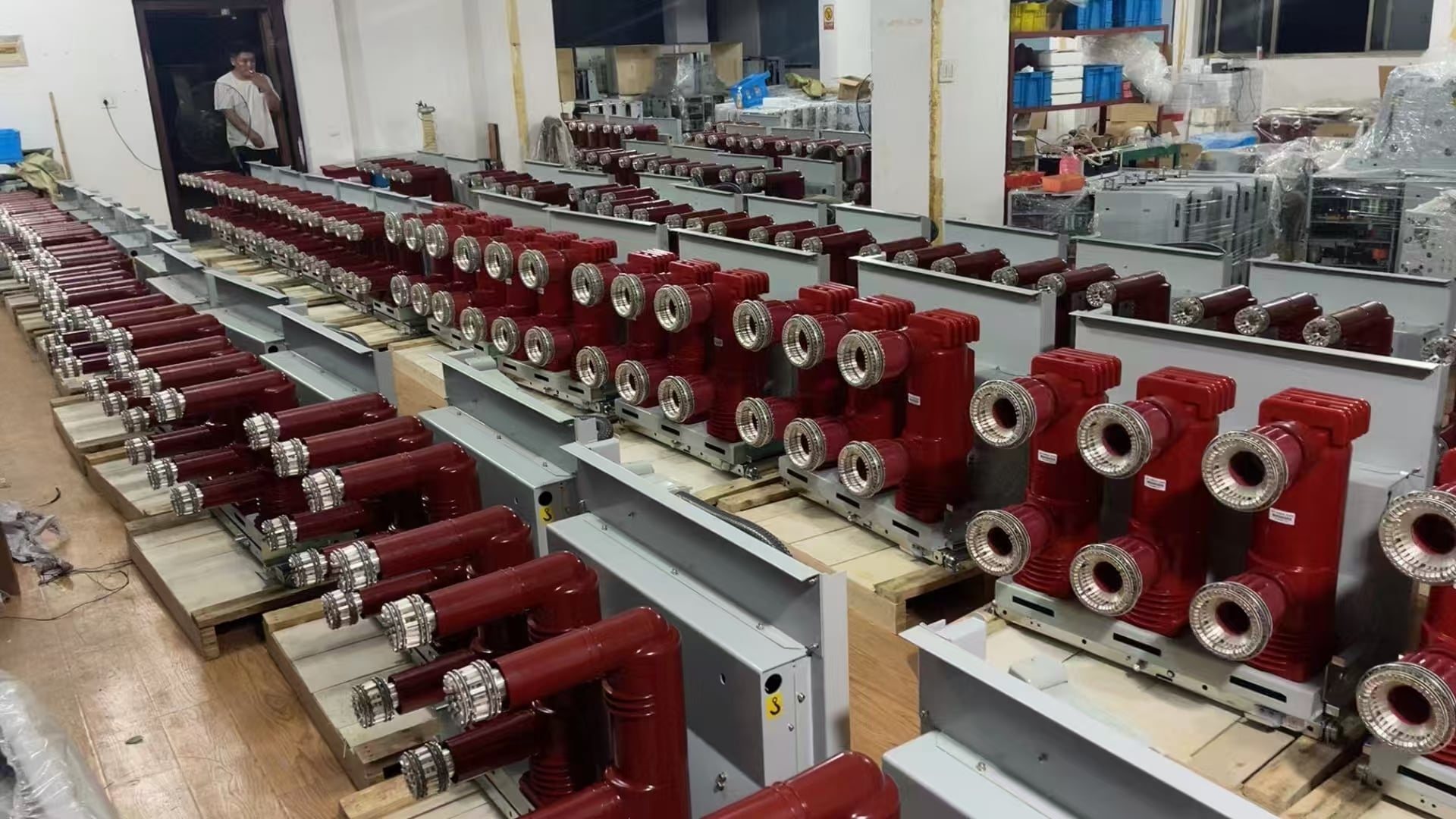
Environmental conditions play a critical role in determining the operational reliability and lifespan of air insulated switchgear. Industrial facilities, utility substations, and power distribution networks depend on this equipment to manage high-voltage electrical loads safely and efficiently. The performance of air insulated switchgear, however, is not isolated from its surroundings. Temperature fluctuations, humidity levels, atmospheric contamination, altitude variations, and seasonal weather patterns directly influence how this critical infrastructure operates over time.
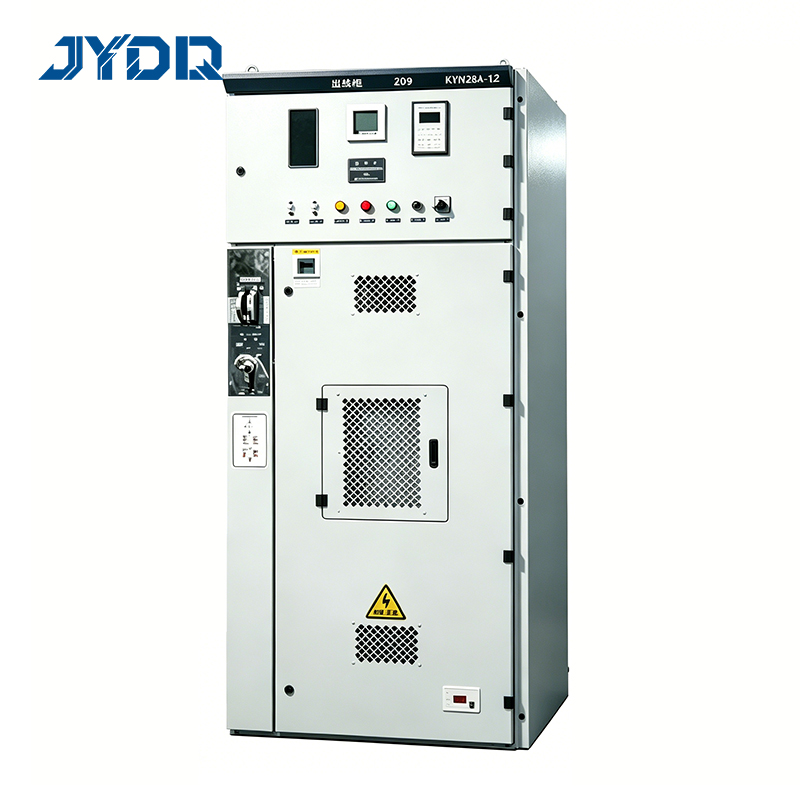
Understanding these environmental factors is essential for facility managers, maintenance teams, and engineers responsible for selecting, installing, and servicing air insulated switchgear. The insulation system within this equipment must withstand not just electrical stress but also the constant environmental pressures of its location. Poor management of environmental conditions can lead to accelerated degradation, reduced equipment lifespan, unexpected failures, and costly emergency repairs. This guide explores how environmental conditions directly affect air insulated switchgear performance and what preventive maintenance strategies help preserve equipment integrity.
Temperature and Humidity Effects on Insulation Systems
Temperature Fluctuations and Thermal Stress
Temperature variations create thermal expansion and contraction cycles within air insulated switchgear components. The insulation materials, metal conductors, and support structures all respond differently to temperature changes. When ambient temperature rises, the insulation becomes softer and more vulnerable to electrical stress, while the insulation's dielectric strength may decline gradually. Conversely, cold temperatures can increase material brittleness and reduce mechanical flexibility in connection points.
In regions with extreme seasonal swings or industrial environments where equipment generates significant internal heat, thermal cycling accelerates aging of the insulation. Equipment operating in tropical climates with high average temperatures experiences faster insulation degradation than units in temperate zones. Regular maintenance intervals must account for local temperature ranges and historical weather patterns when planning inspection schedules and replacement cycles.
Moisture and Humidity Challenges
Humidity directly affects the air that provides electrical insulation within the switchgear. When moisture content in the surrounding air increases, small amounts of water vapor can enter the equipment through ventilation openings or micro-cracks in seals. High humidity conditions weaken the dielectric properties of air, reducing its ability to withstand electrical stress safely. Condensation can form on internal surfaces when air insulated switchgear experiences rapid temperature changes, potentially creating conductive paths that compromise insulation performance.
Coastal areas, manufacturing facilities with wet processes, and regions with frequent fog or precipitation require enhanced environment control measures. Installation of desiccant breathers, silica gel cartridges, and moisture monitoring systems helps prevent internal moisture accumulation. Regular maintenance of seals and gaskets becomes critical in high-humidity environments to ensure the air insulated switchgear remains protected from external moisture ingress.
Atmospheric Contamination and Air Quality Impact
Pollutants and Particulate Matter
Industrial emissions, dust, salt spray, and chemical pollutants in the air directly degrade air insulated switchgear performance. Particulate matter settles on internal components and can create conductive deposits that bridge insulation gaps. In coastal regions, salt particles carried by sea air corrode metal surfaces and reduce the effective insulation distance between conductors. Manufacturing areas with chemical fumes or high dust levels introduce contaminants that alter air's dielectric properties.
The environment surrounding the switchgear installation significantly influences contamination rates. Equipment positioned near cement plants, chemical factories, steel mills, or thermal power stations experiences accelerated buildup of contaminants on internal and external surfaces. This contamination requires more frequent maintenance procedures, including internal inspection, cleaning of contact surfaces, and monitoring for signs of arc tracking or partial discharge that indicate insulation breakdown.
Air Quality Standards and Equipment Rating
Manufacturers specify pollution degree ratings for air insulated switchgear, reflecting expected environmental conditions at the installation site. Pollution degree one indicates clean indoor environments with minimal contamination. Pollution degree three applies to outdoor areas or indoor locations with significant dust, salt, or chemical exposure. Selecting equipment rated for the actual environment is crucial for maintaining long-term reliability. Underrated equipment fails prematurely, while overrated equipment represents unnecessary capital expense.
Environmental assessments before installation help determine appropriate pollution degree ratings and necessary protective measures. Regular monitoring of air quality conditions around the installation site supports informed maintenance decisions. If environmental conditions change—such as new industrial facilities nearby or altered operational practices—equipment ratings may require reassessment to ensure continued safe operation.
Altitude, Pressure, and Seasonal Considerations
Altitude Effects on Air Insulation Properties
At higher altitudes, atmospheric pressure decreases significantly, which reduces the insulation strength of air between conductor surfaces. Air insulated switchgear designed for sea-level operation requires derating when installed at high elevations. The thinner air provides less electrical insulation, potentially allowing arcing across distances that would be safe at lower elevations. Equipment manufacturers provide altitude derating charts indicating required output reductions or physical modifications needed for high-altitude installations.
Facilities located in mountainous regions or high plateaus must account for these altitude-related insulation limitations during equipment selection. Failure to apply proper altitude derating leads to reduced equipment rating, lower fault-handling capacity, and increased risk of catastrophic failure under full load conditions. In some cases, sealed or pressurized switchgear designs provide better altitude performance than standard air insulated switchgear and warrant consideration for high-elevation installations.
Seasonal Weather Impacts and Planning
Seasonal variations in temperature, humidity, precipitation, and wind patterns directly influence air insulated switchgear operational stress. Summer heat can degrade insulation faster, while winter cold increases mechanical brittleness of seals and materials. Monsoon seasons introduce extreme moisture challenges, while dry seasons reduce some environmental stress on insulation systems. Understanding local seasonal patterns helps maintenance teams schedule preventive work during optimal weather windows and prepare equipment for seasonal stressors.
Maintenance schedules should align with seasonal cycles to address environment-specific challenges proactively. Equipment in regions with pronounced seasons may benefit from enhanced inspections during transition periods when temperature and humidity fluctuations are most dramatic. Documentation of seasonal performance trends over multiple years provides valuable data for predicting maintenance needs and planning equipment upgrades or replacements before critical failures occur.
FAQ
How does high humidity specifically damage air insulated switchgear insulation?
High humidity reduces the dielectric strength of air by allowing moisture vapor to weaken electrical resistance. Condensation on internal surfaces creates conductive paths that enable partial discharge, eventually leading to tracking and complete insulation breakdown. Moisture also promotes corrosion of metal components, compromising mechanical stability and electrical contact reliability within the environment inside the switchgear.
What maintenance practices protect air insulated switchgear from environmental damage?
Regular maintenance includes monitoring internal moisture levels using desiccant breathers, inspecting seals and gaskets for degradation, cleaning internal surfaces to remove contamination, and measuring insulation resistance periodically. Thermal imaging helps identify hotspots indicating internal problems. Maintenance intervals should increase in harsh environments and account for local environmental conditions when planning inspection schedules throughout the insulation system lifecycle.
Can air insulated switchgear operate safely at high altitudes without modification?
Standard air insulated switchgear requires altitude derating at elevations above sea level because reduced atmospheric pressure decreases air's insulation strength. Equipment operating above rated altitude faces increased arcing risk and reduced fault-handling capacity. Manufacturers provide derating guidelines or recommend sealed pressurized designs for permanent high-altitude installations to maintain safe, reliable operation in such environments.

 EN