Moisture represents one of the most insidious threats to the performance and longevity of an oil immersed transformer. Even small quantities of water can progressively degrade the core materials and functioning capabilities of these critical power distribution assets. Understanding how moisture infiltrates and damages an oil immersed transformer is essential for facility managers, maintenance technicians, and engineers responsible for electrical infrastructure reliability.
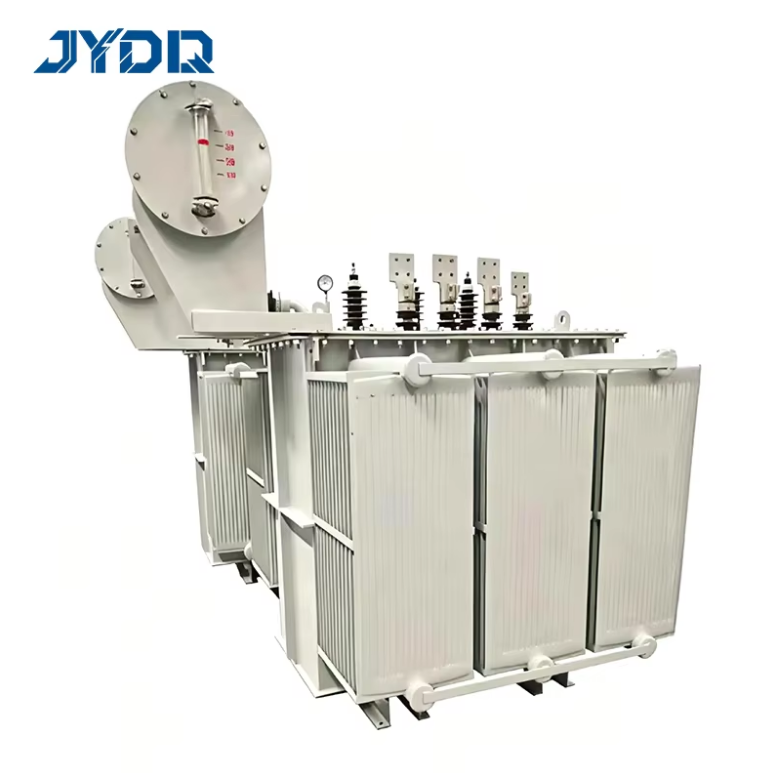
The presence of moisture in an oil immersed transformer creates multiple pathways for electrical and thermal degradation. Transformer oil acts as both an insulator and a cooling medium, making its protection from moisture contamination absolutely critical to safe operation. When water enters the system, it reacts with the mineral oil and solid insulation materials, initiating chemical and physical changes that compromise system integrity and increase failure risk.
How Moisture Enters the Oil Immersed Transformer
Moisture ingress into an oil immersed transformer occurs through multiple pathways that operators must actively monitor and control. Breathing cycles during temperature fluctuations allow humid air to enter through the conservator tank or breather system. When the transformer core heats during operation and subsequently cools, the internal air volume contracts and expands, drawing external air inward. If the silica gel breather becomes saturated or fails to function properly, moisture-laden air bypasses the drying mechanism and enters the system directly.
Sealed Tank Vulnerabilities
Even seemingly sealed designs are vulnerable to moisture penetration. Micro-cracks in welds, deteriorated gaskets, and corroded connection points create pathways for water vapor and liquid water to infiltrate the sealed environment. High humidity conditions surrounding the equipment accelerate this process, particularly in coastal regions, industrial areas with condensation, or installations exposed to seasonal moisture variations. Transformer oil naturally absorbs water molecules from the surrounding atmosphere through these microscopic openings.
Load and Environmental Factors
Heavy electrical loads increase transformer temperature and accelerate moisture absorption into the transformer oil. The warmer oil has increased capacity to hold dissolved water, creating a thermodynamic pull that draws ambient moisture into the system. Rain splash, flooding, and ground moisture from below-ground installations represent additional moisture sources. Inadequate drainage around the transformer mounting location allows water to accumulate and seep through connection points and cable entries.
Insulation Degradation and Moisture
The interaction between moisture and insulation materials represents the primary failure mechanism in affected transformers. Solid insulation, typically cellulose-based kraft paper and pressboard, is hygroscopic and actively attracts water molecules from the surrounding transformer oil. When moisture content in the cellulose reaches critical levels, the insulation strength diminishes rapidly. The paper becomes brittle, loses its dielectric properties, and develops localized weak points where electrical tracking or puncture can initiate cascading failures.
Insulation Breakdown Pathways
Moisture chemically reacts with cellulose fibers in the insulation structure, breaking down the polymer chains that provide mechanical and electrical strength. This hydrolysis process accelerates at higher temperatures, meaning transformers operating under heavy load and moisture contamination experience dramatically accelerated insulation aging. The apparent electrical strength of the insulation can collapse suddenly, causing winding faults or phase-to-ground failures that may result in transformer destruction and extended outages.
Transformer Oil Conductivity Changes
Moisture dramatically increases the electrical conductivity of transformer oil, reducing its effectiveness as an insulator. Free and emulsified water in the oil creates conductive pathways that enable leakage currents between windings and other high-voltage components. The oil loses its dielectric strength progressively as moisture content increases, requiring increasingly higher voltage stress to cause breakdown. Testing shows that oil containing just 100 parts per million of water exhibits measurably reduced insulation reliability compared to dry oil with moisture content below 50 ppm.
Monitoring and Prevention Strategies
Effective moisture management requires both prevention and active monitoring throughout the transformer lifecycle. Preventive measures address moisture ingress at the design and installation stage, while monitoring systems detect contamination early enough to implement corrective action before significant damage occurs. Combining these approaches enables operators to maintain oil immersed transformer reliability and extend equipment service life significantly beyond the point where uncontrolled moisture accumulation would cause failure.
Preventive Maintenance and Drying
Regular maintenance includes inspecting and replacing silica gel breathers before saturation occurs, ensuring gaskets remain pliable and functional, and maintaining proper tank drainage and grounding. Oil sampling and laboratory analysis reveal moisture content and track trends over time. When testing indicates rising moisture levels, operators can implement off-line transformer oil drying processes or on-line oil recirculation systems that gradually reduce water content. Hot oil circulation through desiccant cartridges removes dissolved and emulsified water without requiring transformer shutdown.
Environmental Controls and Sealing
Proper installation practices include adequate ventilation around the transformer to prevent humid air stagnation, sloped concrete pads to direct rain away from the equipment, and protective covers during extended shutdowns. Sealing cable entries, conduit penetrations, and connection points with appropriate compounds prevents moisture from following electrical pathways into the sealed tank. Monitoring humidity levels in transformer rooms or underground vaults provides early warning when environmental conditions create elevated moisture risk.
Long-Term Reliability and Decision Framework
The relationship between moisture and oil immersed transformer failure is well-established in industry reliability data. Transformers operated with uncontrolled moisture contamination experience life expectancy reductions of fifty percent or more compared to equipment maintained in dry condition. Moisture-related failures often cascade rapidly once insulation breakdown initiates, meaning preventive action taken during the early contamination stage saves significantly more than reactive repairs attempted after faults develop. Operators facing high moisture environments should prioritize enhanced drying systems and accelerated monitoring schedules to protect critical assets.
FAQ
What moisture level is acceptable in transformer oil?
Industry standards recommend maintaining transformer oil moisture content below fifty parts per million for new equipment and below one hundred ppm for in-service transformers. Values between one hundred and two hundred ppm indicate elevated risk and warrant enhanced monitoring or drying implementation. Once moisture exceeds two hundred ppm, accelerated insulation aging and failure risk increase substantially. Laboratory oil analysis provides precise moisture measurement and guides preventive action timing.
How quickly does moisture damage an oil immersed transformer?
The degradation timeline depends on moisture concentration, operating temperature, and insulation condition. Transformers operated continuously at elevated temperature with high moisture content can experience significant insulation aging within months. Equipment cycling on and off at moderate moisture levels may tolerate contamination for one to two years before developing electrical faults. Once insulation breakdown initiates, failure can occur suddenly without warning, emphasizing the value of preventive moisture management rather than waiting for fault symptoms.
Can moisture damage be reversed in an affected transformer?
Moisture can be partially removed through oil drying processes, but cellulose insulation damage is generally irreversible. Once hydrolysis has advanced significantly, the insulation cannot fully recover its original strength even after complete moisture removal. Early detection and moisture control preserve insulation integrity and prevent permanent damage. Equipment with existing moisture-related insulation degradation should receive enhanced drying programs and reduced operating stress to extend remaining service life.

 EN