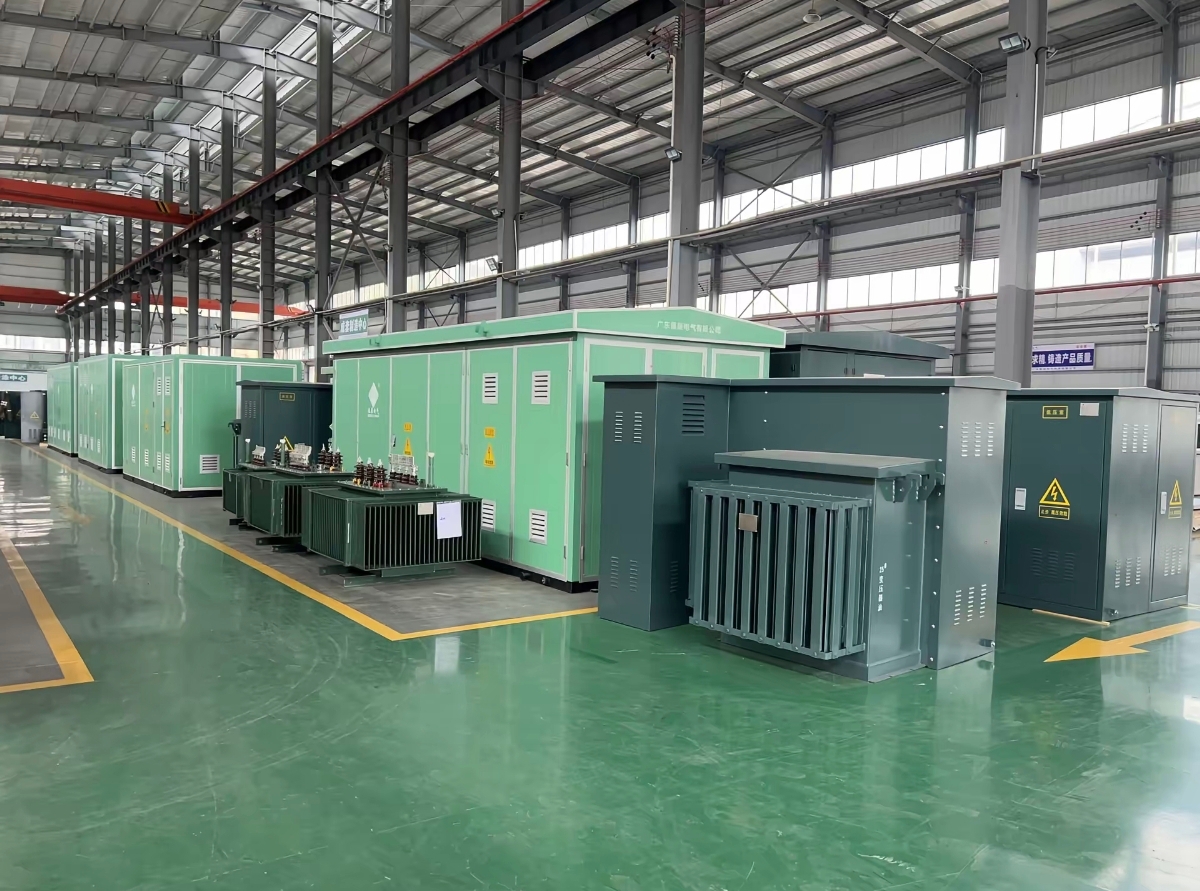
Selecting the right transformer for a substation project is one of the most critical decisions an electrical engineer or project manager can make. A transformer serves as the backbone of power distribution, stepping voltage up or down to meet system requirements and ensuring safe, efficient energy delivery. The wrong choice can lead to equipment failure, increased operational costs, energy losses, and potential safety hazards. Understanding transformer selection criteria and how to evaluate your specific substation needs is essential to project success.
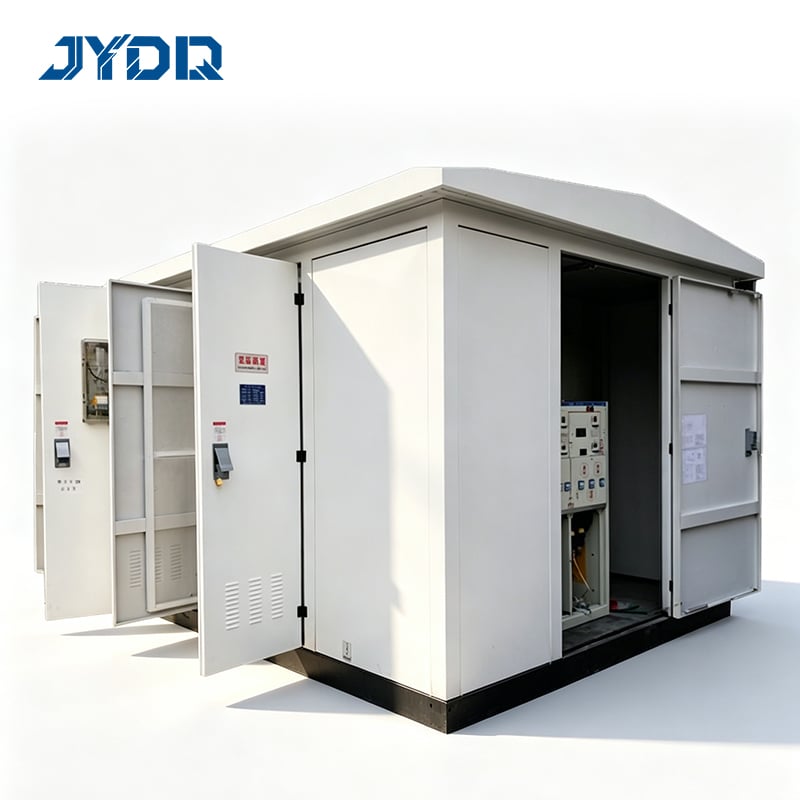
Every substation requires a carefully tailored approach to transformer selection based on load demand, voltage requirements, operational environment, and long-term reliability goals. This guide walks you through the essential factors that determine the right transformer for your specific substation project, from understanding power system characteristics to evaluating performance ratings and installation constraints.
Understanding Core Transformer Specifications
Power Rating and Load Capacity
The transformer power rating, measured in megavolt-amperes (MVA), must match or exceed the peak load demand of your substation. Undersizing results in overheating, reduced lifespan, and potential equipment damage. Oversizing leads to inefficiency and wasted capital investment. When evaluating the power system load, consider not only current consumption but also future growth projections over the transformer's expected 30 to 50-year operational life. A transformer sized at 110 percent of current demand provides adequate headroom for minor load fluctuations and expansion without excessive oversizing.
Voltage Class and Step-Down Requirements
Your substation transformer must handle the primary voltage from the transmission line and deliver the secondary voltage needed by distribution networks or end-use facilities. Common voltage classes in North America range from 34.5 kV to 765 kV on the transmission side. Transformer selection depends on these voltage levels, which determine equipment compatibility, insulation requirements, and safety protocols. Verify that your transformer configuration matches the three-phase or single-phase requirements of your power system architecture.
Environmental and Operational Constraints
Installation Location and Space Requirements
The substation location determines whether you need a pad-mounted, pole-mounted, or vault-mounted transformer design. Urban environments with space limitations often require compact pad-mounted units, while rural substations may accommodate larger floor-standing models. Climate considerations are equally important; transformers in coastal regions require corrosion-resistant materials and enhanced cooling systems. Seismic zones demand robust mechanical mounting and reinforced tank design. When evaluating transformer selection for a specific site, account for ground conditions, nearby structures, future accessibility for maintenance, and compliance with local zoning requirements.
Cooling System and Thermal Performance
Transformers generate heat during operation, and the cooling system must dissipate this heat to maintain safe operating temperatures and prevent insulation degradation. Oil-immersed transformers with forced-air coolers provide cost-effective cooling for high-load substations. Dry-type transformers eliminate fire risk in enclosed spaces but offer lower efficiency in high-temperature environments. Your power system load profile, ambient temperature range, and space constraints all influence cooling system selection. Transformers with inadequate cooling experience reduced capacity, shortened insulation life, and increased failure risk.
Efficiency and Operational Economics
Energy Loss Optimization
Transformer efficiency directly impacts long-term operational costs through reduced no-load losses and load losses. Modern high-efficiency transformers can reduce losses by 20 to 30 percent compared to standard models, resulting in significant energy savings over decades of service. This efficiency improvement translates to lower utility bills, reduced environmental impact, and improved power system stability. When evaluating transformer selection, calculate the present value of energy savings against the higher upfront cost of premium-efficiency units. For large substations serving industrial loads or municipal power distribution, this investment often pays for itself within 5 to 10 years.
Total Cost of Ownership Analysis
Transformer procurement decisions should consider total cost of ownership rather than purchase price alone. Factor in installation expenses, ancillary equipment, transformer oil or cooling fluid, ongoing maintenance requirements, and decommissioning costs at end of life. A transformer rated for your substation's specific conditions may carry higher initial cost but deliver superior reliability and lower lifetime expenses. Compare full-service warranty programs, spare parts availability, and vendor support when finalizing your transformer selection process.
Safety, Standards, and Compliance
Regulatory Requirements and Certification
Your substation transformer must comply with IEEE, ANSI, IEC, and applicable local electrical codes. These standards specify insulation levels, overvoltage protection, grounding requirements, and emergency shutdown procedures. Certification from recognized testing laboratories ensures that the transformer meets safety performance criteria for fault tolerance and environmental resilience. Your power system design must incorporate these compliance requirements from the planning stage to avoid costly retrofits or project delays.
Operational Redundancy and Reliability
Critical substations serving essential loads often require N+1 redundancy, meaning a backup transformer remains online to handle full load if the primary unit fails. This architecture requires careful transformer selection to ensure identical voltage ratings, cooling capacity, and protection schemes. Single-transformer configurations suit lower-risk applications where brief outages are acceptable. Document all substation reliability requirements before finalizing your transformer specifications.
FAQ
What is the difference between step-up and step-down transformers in a substation?
Step-up transformers increase voltage for long-distance transmission, reducing energy losses over distribution lines. Step-down transformers reduce voltage to levels suitable for industrial equipment or residential distribution. Your substation transformer selection depends on whether you are connecting to transmission lines (requiring step-down capability) or feeding regional distribution networks.
How do I calculate the appropriate transformer rating for my substation project?
Multiply the anticipated peak load by a safety factor of 1.1 to 1.25 to determine transformer selection rating. Include projected growth over 10 to 15 years and account for diversified loading patterns across your power system. Consult with your electrical engineer to ensure the transformer handles both average demand and occasional peak loads without exceeding thermal limits or reducing equipment life.
What maintenance considerations affect long-term transformer performance?
Regular oil sampling, moisture monitoring, and thermal imaging help prevent transformer failures and extend operational life. Maintenance schedules vary based on load profile, ambient conditions, and transformer age. When planning transformer selection for a substation, factor in local technician availability, spare parts sourcing, and preventive maintenance programs to ensure long-term reliability and cost-effective operation.

 EN