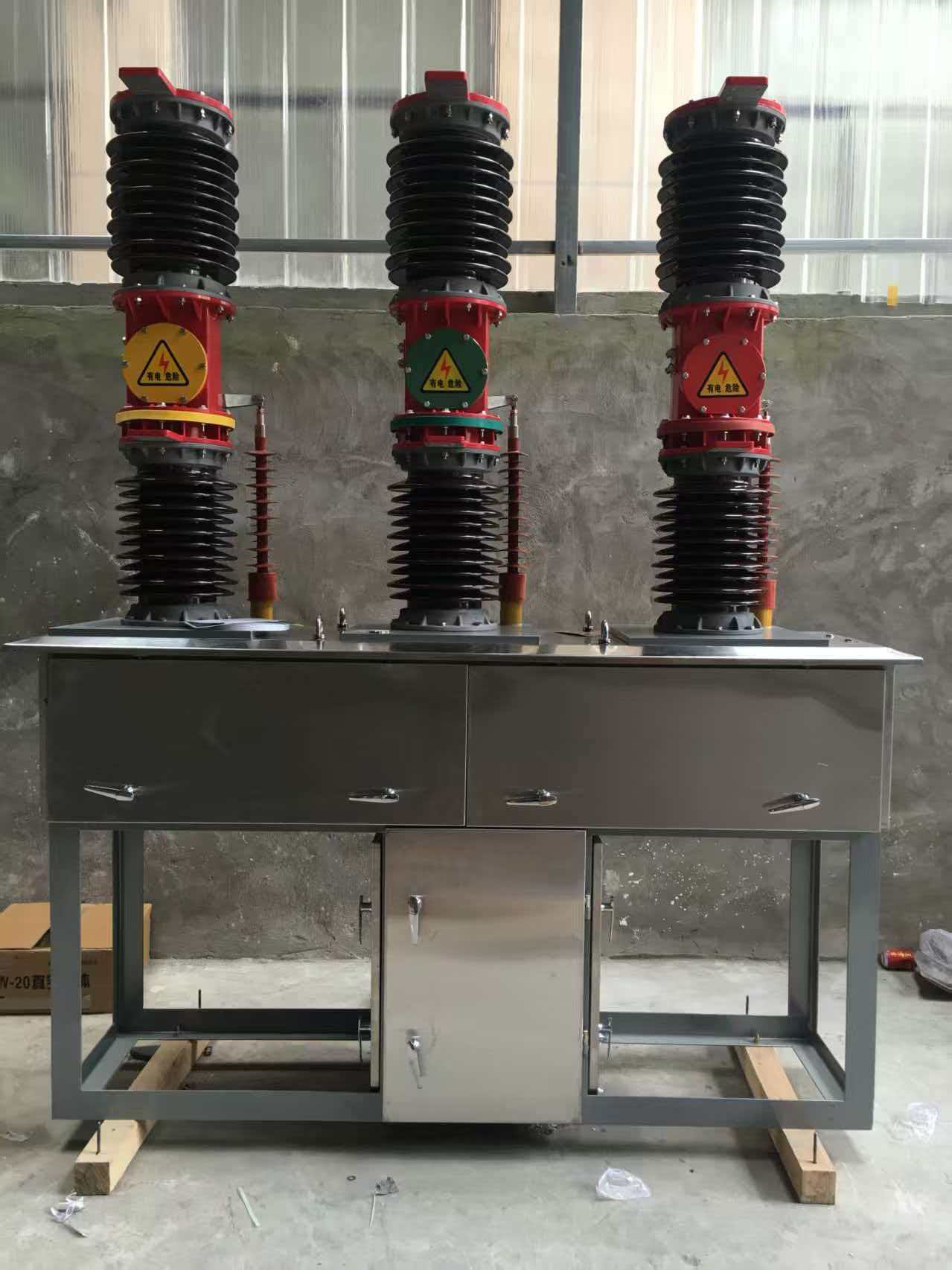
The cost of a prefabricated box-type transformer varies significantly based on multiple interconnected factors that influence both manufacturing complexity and operational performance. Understanding these cost drivers helps industrial buyers, facility managers, and procurement teams make informed investment decisions when sourcing compact transformer solutions for electrical distribution networks.
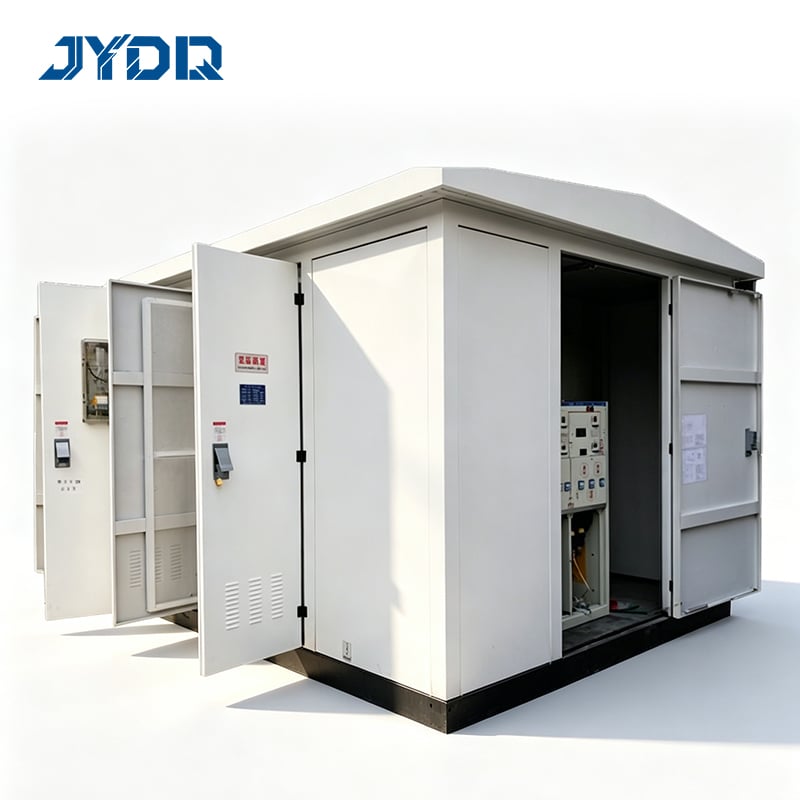
Prefabricated box-type transformers represent a standardized approach to electrical distribution, integrating transformer, switchgear, metering, and protection components into a compact sealed unit. The substation price reflects engineering specifications, material quality, production capacity, and market demand. By examining the primary cost factors, organizations can align their procurement strategy with budget constraints and technical requirements.
Transformer Capacity and Power Rating Impact
Kilovolt-Ampere (kVA) Specifications
The transformer capacity, measured in kilovolt-ampere (kVA), represents the single most influential factor on substation price. Larger capacity units require more copper winding material, heavier core construction, and enhanced cooling systems, directly increasing manufacturing costs. A 100 kVA prefabricated box-type transformer costs substantially less than a 1000 kVA unit due to economies of material volume and production scale.
Standard capacity ratings include 50, 100, 160, 250, 400, 630, 800, and 1000 kVA across most manufacturers. Each stepped increase in transformer capacity triggers proportional increases in component sizing, tank volume, and insulation requirements, which compounds the substation price. Organizations must carefully match actual demand loads to appropriate capacity levels, avoiding both undersizing inefficiency and unnecessary overcapacity expense.
Voltage Transformation Ratios
The primary and secondary voltage configuration determines complexity and material requirements for the prefabricated box-type transformer design. Common primary voltages range from 6 kV to 35 kV, while secondary distributions typically operate at 400 volts or 230 volts. Step-down transformations involving wider voltage differentials require more sophisticated winding designs and additional cooling capacity, elevating both manufacturing complexity and final substation price.
Specialized voltage configurations tailored to regional electrical standards or unique facility requirements command premium pricing compared to standard catalog units. Custom transformer capacity ratings also increase lead times and reduce manufacturing efficiency, pushing costs higher than typical mass-produced alternatives.
Configuration and Component Integration Complexity
Integrated Switchgear and Protection Systems
The configuration of internal switchgear, fuses, circuit breakers, and protective relays significantly affects the prefabricated box-type transformer substation price. Basic configurations include a simple disconnector and fused protection, while advanced setups incorporate microprocessor-based protection relays, remote monitoring interfaces, and sophisticated fault detection systems. Each additional protection layer increases component costs and engineering requirements.
Advanced protection configurations enable predictive maintenance, automated fault isolation, and integration with building management systems or industrial control networks. Organizations prioritizing system reliability and remote diagnostics accept higher substation price tags in exchange for operational resilience and reduced downtime risk. Standard configurations remain attractive for straightforward distribution applications with less stringent monitoring demands.
Metering and Communication Features
Metering capability integrated within the prefabricated box-type transformer directly influences overall configuration complexity and cost structure. Basic models include simple watt-hour meters, while advanced units feature multi-parameter measurement, harmonic analysis, and Modbus or Ethernet communication protocols. Communication-enabled transformers supporting real-time data transmission to centralized monitoring systems represent a significant cost premium over passive metering approaches.
Industrial facilities pursuing energy efficiency initiatives, demand response participation, or comprehensive facility analytics favor advanced metering configurations despite higher transformer capacity-adjusted pricing. Retrofit compatibility with existing building automation systems also factors into configuration decisions, as standardized communication interfaces reduce integration costs downstream.
Material Quality, Design Standards, and Environmental Factors
Insulation Systems and Oil Specifications
The insulation system inside the prefabricated box-type transformer dramatically affects reliability and substation price. Mineral oil-filled designs remain the cost-effective standard, while advanced biodegradable or synthetic cooling fluids provide environmental benefits and improved thermal stability at significantly elevated cost points. High-temperature insulation materials rated for extended service life in challenging climates require premium material investments.
Sealed, fully-insulated enclosures protect transformer capacity performance in dusty, humid, or chemically corrosive industrial environments, commanding higher pricing than conventional open-ventilation designs. Facilities located in coastal regions, heavy industrial zones, or extreme climate areas justify sealed-unit investments through extended equipment lifespan and reduced maintenance intervention.
Manufacturing Standards and Certifications
Compliance with international standards including IEC 61869, IEEE C57.12.23, and regional safety certifications influences prefabricated box-type transformer design requirements and substation price structure. Premium certifications for short-circuit withstand rating, noise reduction, and electromagnetic compatibility (EMC) increase production costs but expand market acceptability across diverse regulatory jurisdictions.
Manufacturers investing in quality assurance, factory acceptance testing (FAT), and comprehensive documentation systems typically maintain higher pricing than minimal-compliance producers. However, the reliability premium often justifies increased investment through reduced field failure rates and warranty claim exposure.
FAQ
How does transformer capacity directly affect substation price?
Transformer capacity measured in kVA drives material volume, core construction complexity, and cooling system sizing. Higher capacity units require substantially more copper winding, larger tanks, and enhanced cooling infrastructure, directly proportional to substation price. A unit rated at 250 kVA typically costs 40–60 percent more than a comparable 100 kVA prefabricated box-type transformer.
What configuration elements most significantly impact overall transformer cost?
Integrated protection relays, communication modules, and advanced metering capabilities represent the largest configuration cost drivers beyond base unit specifications. Microprocessor-based protective systems add 20–35 percent to baseline prefabricated box-type transformer pricing, while communication-enabled monitoring adds 10–20 percent additional cost for real-time data transmission and diagnostics features.
Does sealed insulation justify the premium cost for industrial applications?
Sealed, fully-insulated designs add 15–25 percent to substation price but substantially extend equipment lifespan in harsh environments by protecting internal components from contamination and moisture ingress. Industrial facilities in coastal, chemical, or extremely dusty zones typically recover the premium investment through reduced maintenance costs and extended transformer capacity performance over 20–30-year service cycles.

 EN