Understanding the factors that influence vacuum circuit breakers pricing is essential for industrial buyers making informed procurement decisions. The cost of vacuum circuit breakers varies significantly based on multiple technical and commercial parameters, and recognizing these drivers helps organizations optimize their capital expenditure while ensuring equipment reliability. This article explores the key elements that determine pricing in the vacuum circuit breaker market, providing practical insights for facility managers, engineers, and procurement professionals.
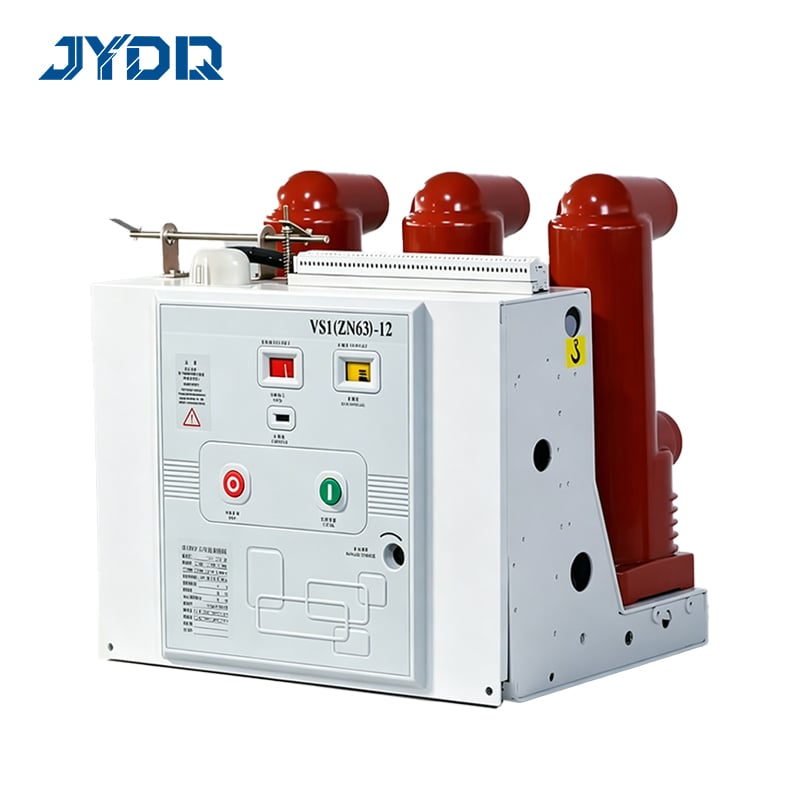
When evaluating breaker price structures, it is critical to understand that vacuum circuit breakers are engineered products with significant design complexity and manufacturing precision. The pricing of these components reflects not only material costs but also engineering expertise, quality assurance, testing procedures, and regulatory compliance. Different voltage ratings, interrupting capacities, and operational configurations each carry distinct cost implications that directly impact the final purchase price and lifecycle economics of your electrical infrastructure.
Voltage Rating and Breaker Price Dynamics
Understanding Rating Classification Impact
The voltage rating of vacuum circuit breakers is one of the most significant pricing determinants in the market. Low-voltage breakers operating at 480V typically command lower breaker prices compared to medium-voltage units rated at 6kV, 10kV, or 12kV, and high-voltage variants rated above 24kV. This escalation reflects increased material requirements, enhanced insulation systems, larger physical footprints, and more sophisticated arc-extinction chambers. The rating directly influences manufacturing complexity and raw material consumption, making it a primary cost driver across product lines.
Breaking Capacity and Configuration Influence
A vacuum circuit breaker with higher interrupting capacity commands premium breaker pricing due to superior internal design specifications. A 25kA unit will cost substantially less than a 40kA or 50kA configuration at the same voltage rating. Interrupting capacity directly correlates with the robustness of the vacuum interrupter, contact design, and internal arc containment mechanisms. Configuration choices including single-pole, three-pole, or custom arrangements further modulate the final cost structure, as each configuration option requires distinct manufacturing processes and component assemblies.
Physical Configuration and Material Considerations
Enclosure Type and Mechanical Design
The physical form factor and construction method significantly impact vacuum circuit breakers pricing. Indoor units typically involve lower material costs than outdoor-rated variants designed for harsh environmental conditions. The choice between tank-mounted, pole-mounted, or switchgear-integrated configurations creates different manufacturing pathways and material requirements. Stainless steel or corrosion-resistant coatings necessary for outdoor deployment add measurable cost premiums compared to standard industrial finishes. Additionally, the configuration supporting various panel mounting requirements, control interfaces, or specialized mechanical arrangements each carries incremental pricing implications.
Operating Mechanism and Control Interface
The operating mechanism represents another substantial cost component influencing breaker price. Manual closing mechanisms are more economical than motorized alternatives, spring-charged systems, or solenoid-actuated configurations. Advanced control interfaces including microprocessor-based trip units, digital communication protocols, or condition monitoring capabilities command significant price premiums compared to basic thermal-magnetic designs. The rating and sophistication of the control system directly correlate with operational intelligence and integration complexity, justifying corresponding cost variations within the vacuum circuit breaker market.
Market Factors and Supply Chain Dynamics
Production Volume and Manufacturing Scale
Manufacturing volume exerts substantial influence on vacuum circuit breakers pricing across all product categories. High-volume production runs enable economies of scale that reduce unit costs significantly compared to low-volume or custom configurations. Standardized breaker price modeling reflects these economies, with commodity specifications achieving lower pricing than specialized or application-specific designs. Global supply chain considerations, including raw material sourcing for vacuum interrupters, copper components, and specialized alloys, directly impact the final configuration and pricing structure. Lead time availability and production scheduling flexibility also influence overall breaker price competitiveness in different market segments.
Regulatory Compliance and Testing Requirements
Compliance with international standards including IEC, IEEE, or regional electrical codes increases the developmental and validation costs embedded in vacuum circuit breaker pricing. Third-party certification, type testing, and documentation requirements represent non-recoverable investments that manufacturers distribute across their product offerings. Higher rating categories and specialized applications often require more extensive testing protocols, justifying elevated breaker prices for specialized equipment. Environmental certifications, safety approvals, and performance documentation all contribute to the cost baseline that influences market pricing across different configuration options and voltage ratings.
FAQ
What is the primary factor influencing vacuum circuit breaker cost?
Voltage rating is the most influential factor determining vacuum circuit breaker cost, followed by interrupting capacity and configuration type. Higher voltage ratings and breaking capacities require more sophisticated engineering, premium materials, and enhanced safety features, directly increasing breaker price. Medium and high-voltage units command significantly higher prices than low-voltage alternatives due to complexity and manufacturing demands.
How does configuration affect vacuum circuit breaker pricing?
Configuration directly influences breaker price by determining the internal complexity and component requirements. Single-pole units cost less than three-pole arrangements, motorized mechanisms cost more than manual operation, and integrated control systems command premiums over basic designs. Each configuration variation requires distinct manufacturing processes and material selections that modify the overall pricing structure accordingly.
Why do different vacuum circuit breaker ratings have different prices?
Different rating categories reflect engineering complexity, manufacturing precision, and material costs required to safely handle specific electrical demands. Higher ratings require superior vacuum interrupter design, larger contact surfaces, enhanced arc containment, and robustness testing. The rating directly corresponds to the performance envelope, making cost differences proportional to technical capability and reliability requirements across the vacuum circuit breaker market.

 EN












