An oil immersed transformer represents one of the most widely deployed power conversion technologies in electrical grids and industrial facilities worldwide. At its core, this design relies on a carefully engineered fluid system that simultaneously manages heat dissipation and electrical insulation, two critical functions that determine transformer reliability and operational lifespan. Understanding how transformer oil performs these dual roles is essential for facility managers, engineers, and maintenance teams responsible for power infrastructure.
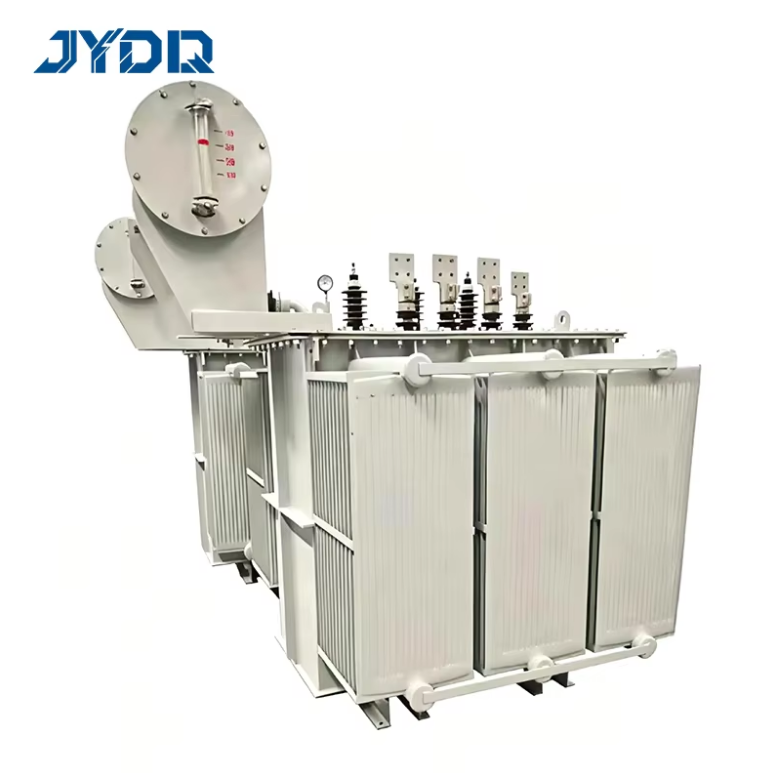
The thermal and dielectric performance of an oil immersed transformer directly impacts energy efficiency, safety margins, and service continuity. The insulating oil fulfills multiple functions simultaneously: it provides electrical insulation between active components, dissipates heat generated by core and winding losses, facilitates cooling circulation, and protects internal parts from oxidation and moisture. This multifaceted role makes transformer oil selection and maintenance one of the most important aspects of transformer operation.
The Role of Insulating Oil in Electrical Insulation
Dielectric Strength and Voltage Protection
Electrical insulation is the foundation of transformer safety and performance. The insulating oil surrounding windings, core laminations, and internal conductors must withstand the electrical stresses imposed by system voltage without breaking down. Dielectric strength measures the maximum electric field that the oil can sustain before ionization occurs, typically expressed in kilovolts per millimeter. Premium-grade insulating oil maintains dielectric strength well above minimum standards, creating a protective barrier that prevents arc formation and electrical faults.
The oil immersed transformer design isolates active conductors from one another and from the grounded tank, with the insulating oil serving as the primary dielectric medium. When voltage stress increases during transient conditions or switching events, the oil's dielectric properties must remain stable to prevent breakdown. Regular monitoring of dielectric strength through breakdown voltage tests helps predict when oil regeneration or replacement becomes necessary, enabling preventive maintenance schedules that minimize unexpected failures.
Moisture and Contamination Control
Moisture infiltration represents one of the most significant threats to electrical insulation integrity in oil immersed transformer systems. Water absorption reduces dielectric strength, accelerates cellulose degradation in paper insulation, and promotes sludge formation. The insulating oil acts as a moisture barrier when properly maintained, but it can absorb water through breathing cycles, failed seals, or improper handling. Many transformer oils include hygroscopic properties that maintain moisture equilibrium at acceptable levels, though drying systems and regeneration processes remain essential for long-term protection.
Contamination control extends beyond moisture to include particulate matter, oxidation byproducts, and chemical impurities. An oil immersed transformer maintains electrical insulation through careful fluid management that includes regular filtration, centrifugation, and analysis. These maintenance activities remove particles that could bridge insulation gaps or facilitate electrical tracking, preserving the dielectric integrity that protects transformer windings and core structures.
Cooling Performance and Heat Management
Natural and Forced Cooling Circulation
Heat dissipation directly affects transformer efficiency and operating temperature, which in turn influences insulation aging rates and equipment lifespan. An oil immersed transformer generates heat through core losses in the magnetic circuit and copper losses in the windings. The insulating oil absorbs this heat and carries it toward the tank surface, where cooling radiators, tubes, or fans facilitate heat transfer to the ambient environment. Natural circulation relies on convection currents driven by temperature differences, while larger transformers employ forced cooling systems with oil pumps and fans to enhance heat removal.
The thermal conductivity and specific heat capacity of the insulating oil determine cooling effectiveness. Higher thermal conductivity ensures faster heat transfer from internal components to external cooling surfaces, reducing temperature gradients across the transformer. Thermal convection patterns within the oil immersed transformer create circulation paths that transport heat-laden fluid upward while cooler fluid descends, establishing continuous thermal management cycles. Optimal cooling design maintains winding temperatures within acceptable limits even during peak load conditions, extending service life and improving reliability.
Temperature Control and Aging Prevention
Insulation aging in an oil immersed transformer accelerates exponentially with temperature increases. Each 8 degrees Celsius rise above rated operating temperature approximately halves the insulation life expectancy. The insulating oil plays a crucial role in maintaining stable temperatures by dissipating generated heat efficiently. Transformers with inadequate cooling experience rapid temperature rise, accelerated oxidation of the oil itself, increased sludge formation, and premature failure of paper insulation in windings and core support structures.
Modern cooling strategies for oil immersed transformer installations employ temperature monitoring, predictive maintenance analytics, and load management protocols that work in conjunction with the physical cooling system. Real-time temperature feedback enables operators to adjust cooling fan operation, redistribute loads, or implement demand response measures that prevent thermal stress. This integrated approach maintains the oil's chemical stability and extends transformer operational life by controlling the thermal environment where electrical and chemical processes occur.
Selecting and Maintaining Quality Insulating Oil
Oil Quality Standards and Performance Metrics
Specification standards for insulating oil define minimum performance requirements across multiple dimensions including dielectric strength, viscosity, moisture content, acidity, and oxidation stability. An oil immersed transformer performs reliably only when filled with oil that meets or exceeds applicable standards such as IEC 60296 or ASTM D3487. These standards ensure consistent dielectric properties, thermal characteristics, and compatibility with transformer construction materials including copper conductors, steel laminations, and paper insulation.
Quality verification through comprehensive oil analysis provides early warning of performance degradation. Dissolved gas analysis, acid number testing, moisture measurement, and interfacial tension evaluation offer diagnostic information about transformer health and oil condition. An oil immersed transformer maintainer who implements regular testing protocols can identify emerging issues such as incipient faults, excessive heating, or oxidative breakdown before they evolve into serious problems requiring emergency intervention or equipment replacement.
Preventive Maintenance and Oil Regeneration
The insulating oil in an oil immersed transformer degrades gradually through oxidation, water absorption, and thermal stress exposure. Preventive maintenance including filtration, centrifugation, and vacuum drying removes contaminants and restores dielectric properties without requiring full oil replacement. These regeneration processes extend the service interval of expensive mineral oil, improve electrical insulation performance, and reduce the environmental impact associated with disposal of used transformer oil.
Facility managers must establish maintenance schedules based on transformer operational history, ambient conditions, load profiles, and laboratory test results. Regular monitoring of an oil immersed transformer's thermal performance, electrical properties, and fluid condition enables predictive maintenance planning that prevents failure-induced downtime. Synthetic alternative fluids and biodegradable insulating oils represent emerging options that offer advantages in specific applications, though mineral oil remains the industry standard for most power distribution transformers due to proven performance, cost-effectiveness, and technical familiarity.
FAQ
How does insulating oil improve transformer reliability?
Insulating oil enhances transformer reliability by simultaneously providing electrical insulation that prevents arcing between conductors and facilitating heat removal that prevents thermal damage to insulation materials. The oil's dielectric strength protects against voltage stresses, while its thermal properties maintain safe operating temperatures that slow chemical degradation. Superior cooling enabled by oil circulation extends equipment life and reduces failure risk during peak demand periods when thermal stress peaks.
Can an oil immersed transformer operate without cooling system maintenance?
No, an oil immersed transformer requires ongoing cooling maintenance to function reliably. Without regular oil analysis, filtration, and drying cycles, the insulating oil degrades progressively through oxidation and moisture absorption. This degradation reduces dielectric strength and thermal conductivity, causing accelerated insulation aging and eventual failure. Preventive maintenance including oil sampling and regeneration preserves both cooling performance and electrical insulation, extending transformer service life and ensuring continued reliable operation.
What factors influence cooling effectiveness in oil immersed transformers?
Cooling effectiveness depends on insulating oil thermal properties including thermal conductivity and specific heat capacity, transformer design features such as radiator surface area and cooling fan capacity, ambient temperature conditions, and transformer load profile. An oil immersed transformer with poor cooling design experiences temperature rise that accelerates oil oxidation and insulation degradation. System designers and operators must ensure adequate cooling capacity matches expected load levels, maintain clean cooling surfaces to support heat transfer, and monitor operating temperatures to confirm that thermal management remains within design parameters.

 EN