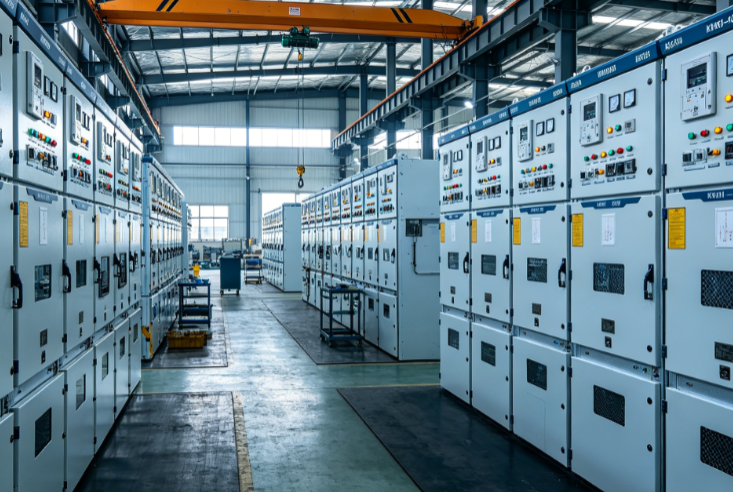
Selecting the right high voltage switch gear supplier for export projects requires a strategic approach grounded in technical expertise, regulatory compliance, and long-term partnership value. The global market for industrial electrical equipment is highly competitive, and export sourcing introduces additional layers of complexity including international standards, logistics considerations, and quality assurance requirements. Making an informed decision during supplier comparison can significantly impact project timelines, operational reliability, and overall cost efficiency.
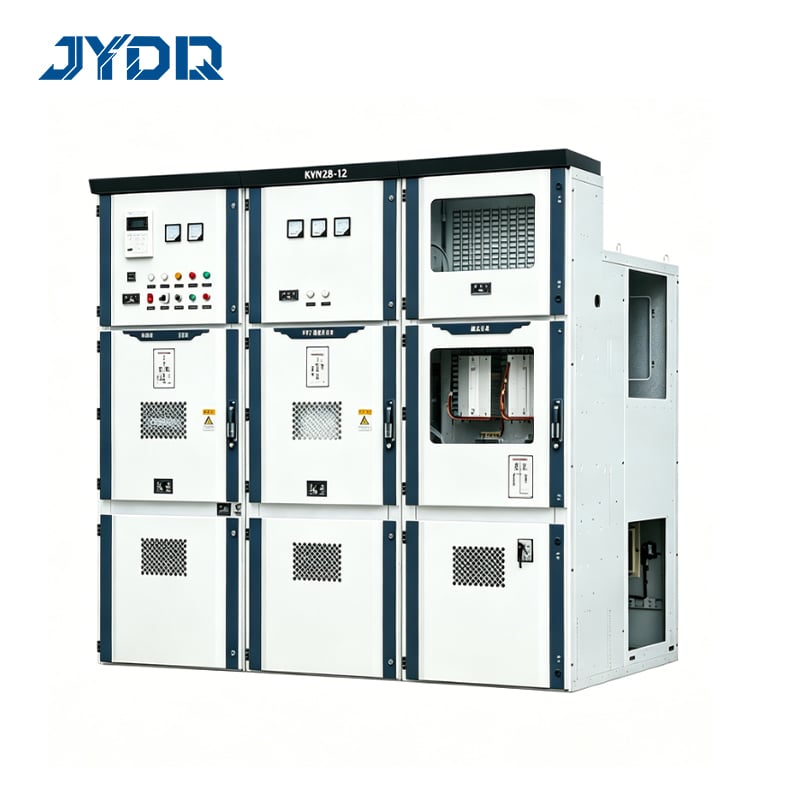
Export projects demand rigorous supplier evaluation beyond basic product specifications. Your sourcing strategy must account for manufacturing certifications, quality control protocols, delivery reliability, and technical support across international borders. This comprehensive guide walks you through the essential factors to consider when comparing high voltage switch gear suppliers, ensuring your organization selects a partner capable of meeting both immediate project demands and long-term operational standards.
Understanding Supplier Evaluation Criteria
Technical Specifications and Certifications
When evaluating high voltage switch gear suppliers, technical specifications form the foundation of your comparison framework. Verify that each supplier maintains certifications aligned with international standards such as IEC, IEEE, or equivalent regional requirements. These certifications demonstrate that a supplier's manufacturing processes, quality assurance systems, and product testing procedures meet globally recognized benchmarks. Request detailed documentation of voltage ratings, current capacities, insulation levels, and operational temperature ranges for the specific equipment models you require.
Supplier comparison must include assessment of design flexibility and customization capabilities. Export projects often involve unique environmental conditions, spatial constraints, or regulatory requirements specific to the destination market. Evaluate whether each supplier can modify standard designs to accommodate your project specifications without compromising safety or performance standards. Ask suppliers about their experience with similar export applications and request case studies or references from comparable projects.
Manufacturing and Quality Assurance Processes
A supplier's manufacturing infrastructure directly impacts product reliability and project success. During your sourcing evaluation, investigate the age and capability of production equipment, the training level of technical staff, and the comprehensiveness of quality control checkpoints. High voltage switch gear requires precision manufacturing and rigorous testing at multiple production stages. Suppliers should implement documented procedures for component verification, assembly inspection, and final functional testing before shipment.
Request access to supplier quality metrics including defect rates, warranty claim history, and customer satisfaction scores. Reputable suppliers for export projects maintain detailed records of their quality performance and are willing to share this information with prospective clients. Verify that the supplier conducts regular internal audits and maintains traceability systems for all components used in assembled equipment. This documentation becomes critical if issues arise during installation or operation in export markets.
Evaluating Export Logistics and Delivery Capabilities
International Shipping and Customs Expertise
Export sourcing involves managing complex logistics networks and navigating regulatory requirements across multiple jurisdictions. When comparing suppliers, assess their experience with international shipping, documentation preparation, and customs clearance procedures. High voltage switch gear qualifies as specialized industrial equipment that may require specific export classifications, certificates of origin, and technical documentation for regulatory compliance. Suppliers experienced in export projects maintain established relationships with customs brokers, freight forwarders, and logistics providers, reducing delays and minimizing shipping complications.
During supplier comparison, discuss lead times explicitly and request written commitments regarding delivery schedules. Export shipments typically require longer timelines than domestic orders due to manufacturing duration, packaging preparation, and transportation logistics. A reliable supplier should provide realistic estimates based on current production capacity and seasonal variations in international shipping. Verify that the supplier can accommodate expedited timelines if project schedules demand faster delivery, and understand any additional costs associated with accelerated production or premium freight services.
Packaging, Documentation, and Support Services
High voltage switch gear requires specialized packaging to withstand international transit conditions and protect sensitive electrical components. When sourcing from different suppliers, evaluate their packaging standards, moisture protection methods, and container specifications. Suppliers should use moisture barriers, desiccants, and protective frameworks designed for long ocean voyages and variable climate conditions. Request information about their packaging testing procedures and compliance with international maritime shipping standards.
Technical documentation quality significantly impacts installation success at destination sites. During supplier comparison, request samples of technical manuals, installation guides, spare parts lists, and troubleshooting documentation. Verify that documentation is available in the language required by your installation team or end customer. Evaluate whether the supplier offers post-delivery technical support, including remote consultation for installation challenges or operational issues that may arise after equipment reaches the export destination.
Assessing Cost Structure and Commercial Terms
Pricing Transparency and Payment Considerations
Supplier comparison naturally involves evaluating pricing, but cost alone should never be the primary selection criterion for high voltage switch gear. Request detailed price breakdowns from each supplier showing component costs, assembly labor, quality assurance testing, packaging, and logistics components. This transparency helps you identify which suppliers offer genuine value and which may be cutting corners on quality or support services. Be cautious of suppliers offering significantly lower prices than competitors, as this often signals reduced quality or incomplete service offerings.
Export transactions typically involve payment terms and currency considerations that differ from domestic sourcing arrangements. Discuss payment schedule options with each supplier, including deposit requirements, progress payment milestones, and final payment terms. Understand the supplier's policies regarding currency fluctuations, freight costs, and potential surcharges. Request information about insurance options, warranty coverage for international shipments, and procedures for addressing damage claims during transit.
Long-Term Value and Partnership Potential
The most effective supplier comparison extends beyond the initial transaction to evaluate long-term partnership potential. Consider whether each supplier demonstrates commitment to continuous improvement, investment in manufacturing technology, and responsiveness to customer feedback. Suppliers who prioritize long-term relationships often provide better pricing for volume commitments and offer flexible terms for follow-up orders. Evaluate their willingness to support your organization's growth and adapt to evolving technical requirements as your projects expand into new export markets.
FAQ
What certifications should high voltage switch gear suppliers maintain?
Reputable suppliers should hold international certifications including IEC 62271 series, IEEE standards, and regional approvals specific to your export destination markets. Additionally, ISO 9001 quality management certification and compliance with local electrical safety standards demonstrate manufacturing discipline. Request documentation of all certifications and verify their current status before finalizing your supplier comparison and selection decision.
How long do typical export projects take for high voltage switch gear delivery?
Standard lead times for high voltage switch gear typically range from eight to sixteen weeks, depending on design complexity and production capacity. This timeline includes manufacturing, quality testing, packaging preparation, and logistics coordination. Expedited options may reduce timelines to six to eight weeks at additional cost. Your sourcing strategy should align delivery requirements with project schedules and account for potential delays related to customs processing or unforeseen shipping complications.
What post-delivery support should suppliers provide for export installations?
Quality suppliers offer technical consultation during installation, troubleshooting support for operational issues, and availability of spare parts. They should provide comprehensive documentation in relevant languages and maintain communication channels for addressing problems that emerge during commissioning or early operation phases. Verify that supplier support services extend adequately to cover the critical period following equipment arrival at your export destination site.

 EN