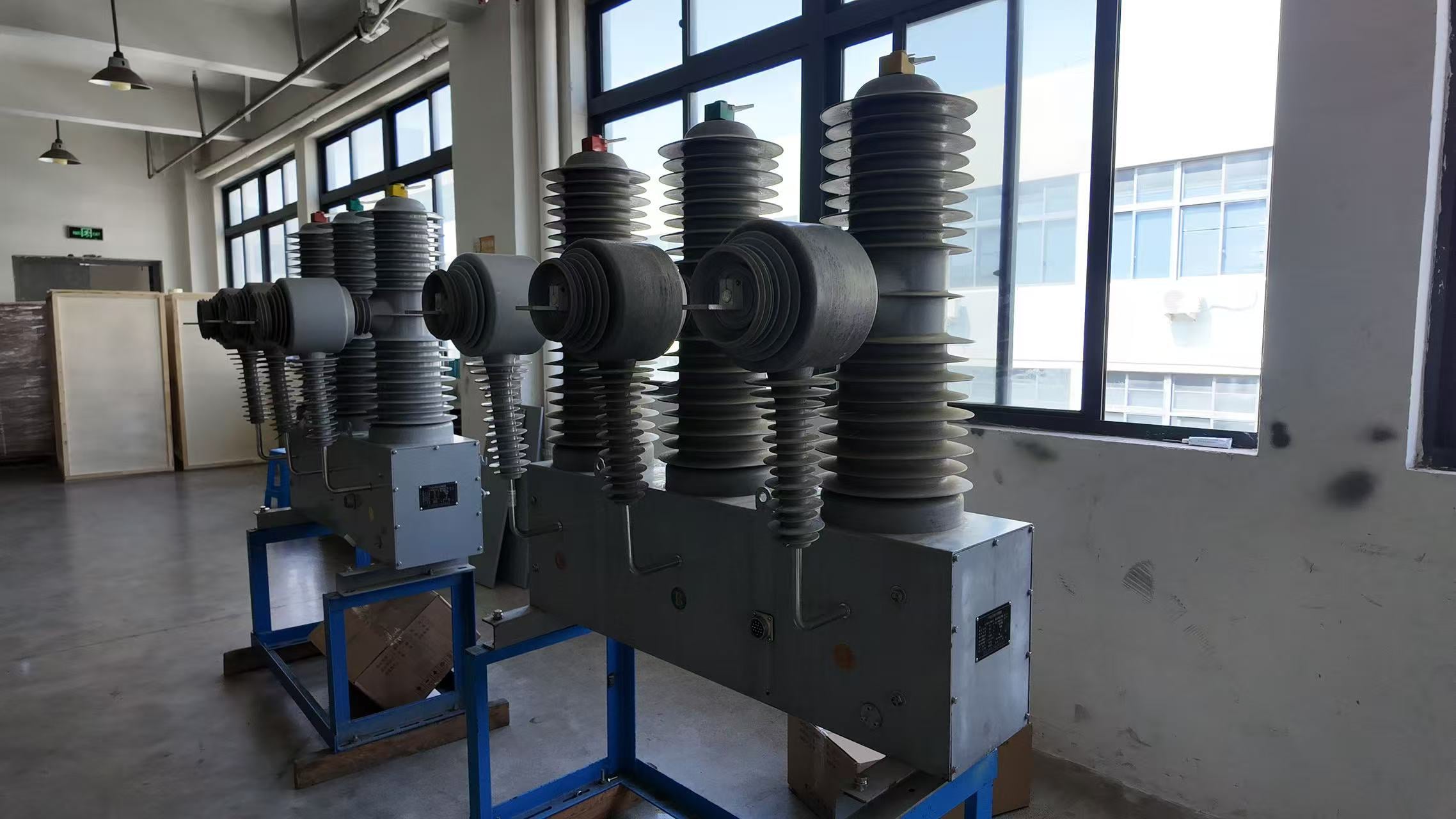
When sourcing a vacuum circuit breaker, buyers face multiple critical decisions that directly impact electrical system reliability and operational safety. A vacuum circuit breaker is an essential component in medium-voltage switchgear, designed to interrupt electrical circuits using a vacuum gap as the interrupting medium. The sourcing process involves far more than simply selecting the lowest-cost option. Purchasing teams must evaluate technical specifications, verify quality control standards, assess supplier credentials, and confirm application compatibility to ensure long-term performance and minimize downtime risk.
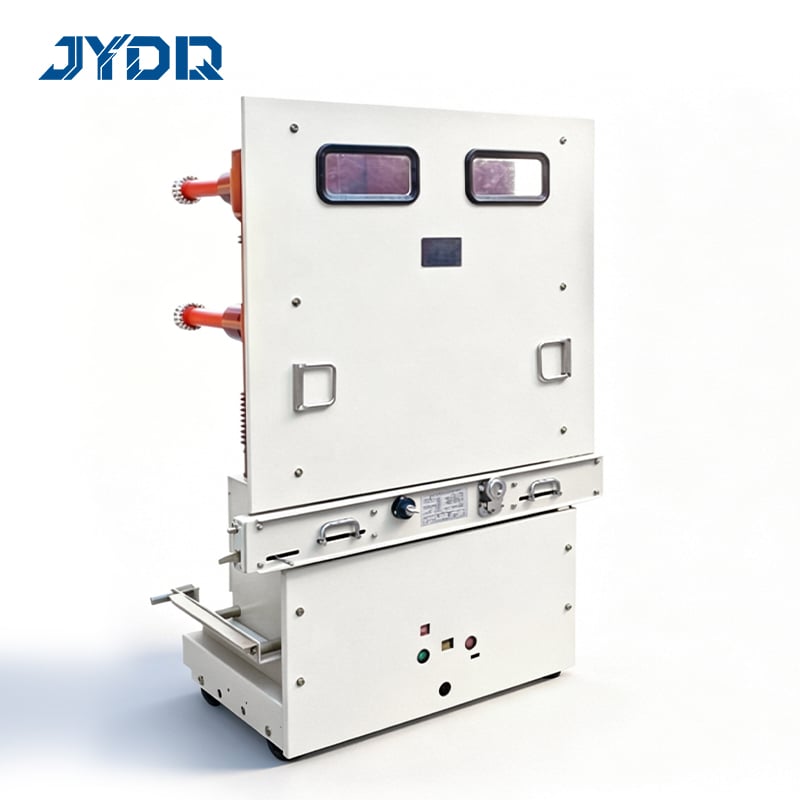
The consequences of poor sourcing decisions extend beyond initial capital expenditure. Inadequate quality control during procurement can lead to premature failures, unplanned maintenance costs, and potential safety hazards in power distribution networks. This comprehensive guide outlines the essential criteria that procurement teams should evaluate when sourcing a vacuum circuit breaker, helping you make informed decisions that align with your operational requirements and regulatory compliance obligations.
Understanding Core Technical Specifications
Voltage and Current Ratings
The first step in sourcing involves confirming that the vacuum circuit breaker matches your system's voltage and current requirements precisely. Voltage ratings typically range from 3.6 kV to 40.5 kV for medium-voltage applications, and selecting the wrong rating creates serious safety and operational risks. Current ratings must accommodate both normal operating loads and anticipated peak demands. When evaluating technical specifications, cross-reference the breaker's nominal voltage with your distribution system's design voltage, and verify that the continuous current rating provides adequate margin above your maximum expected load. Oversizing provides protection margin, while undersizing risks nuisance tripping and reduced equipment lifespan.
Breaking Capacity and Fault Performance
Breaking capacity, measured in kiloamperes (kA), represents the vacuum circuit breaker's ability to safely interrupt fault currents. This specification must equal or exceed your system's calculated maximum fault current to prevent catastrophic failure during short-circuit events. Request detailed performance curves and validation data demonstrating that the breaker maintains arc suppression capability at your facility's maximum fault level. Quality manufacturers provide independent test certificates verifying breaking capacity under standardized conditions. Pay close attention to breaking capacity under various temperature and pressure conditions, as performance can vary significantly from nominal ratings in extreme operating environments.
Quality Control and Manufacturing Standards
Certification and Compliance Requirements
Comprehensive quality control begins with verifying that the vacuum circuit breaker meets recognized international standards such as IEC 62271-100, GB/T 1984, or IEEE standards depending on your regional requirements. Request original certification documents from the manufacturer, not just claims on product datasheets. Legitimate suppliers provide third-party test reports, material certifications, and traceability documentation for critical components. Verify that the manufacturer maintains accreditation with relevant standards bodies and conducts regular audits. When sourcing, prioritize suppliers who openly share compliance documentation and encourage technical due diligence rather than restricting access to critical specifications.
Manufacturing Process Transparency
Understanding the manufacturing process protects against quality issues that may not appear immediately after installation. Request information about vacuum cavity construction methods, insulation material sourcing, and contact material specifications. Quality manufacturers document their sourcing practices, material testing protocols, and production inspection intervals. Ask about defect detection methods, such as X-ray inspection for internal vacuum integrity or thermal imaging during final assembly. A reputable supplier welcomes facility visits and provides detailed manufacturing process documentation. Inconsistent quality control processes often indicate potential reliability issues that emerge only after extended field operation.
Supplier Evaluation and Performance History
Technical Support and Documentation
When sourcing a vacuum circuit breaker, the supplier's technical support capabilities directly influence installation success and long-term reliability. Evaluate whether the supplier provides comprehensive documentation in your language, including installation manuals, maintenance procedures, and troubleshooting guides. Request information about technical support availability, response times, and spare parts availability for critical components like vacuum interrupters. Quality suppliers maintain detailed performance records, can explain any design modifications or improvements, and provide training resources for installation and maintenance teams. Inadequate documentation and poor technical support often create operational challenges that only become apparent after purchase completion.
Field Track Record and References
Request references from facilities operating similar vacuum circuit breaker installations in comparable applications. Ask specifically about mean time between failures, maintenance requirements, and customer satisfaction over five to ten years of operation. Inquire whether the supplier maintains a track record in your specific industry sector, as different applications demand different reliability profiles. Reputable manufacturers can provide case studies, performance data, and customer testimonials without requiring confidentiality agreements that prevent independent verification. Performance history in comparable operating environments provides the most realistic indicator of reliability and quality in your specific application context.
Practical Sourcing Considerations
Lead Times and Supply Chain Reliability
Lead times for vacuum circuit breaker delivery typically range from eight to sixteen weeks, depending on configuration complexity and supplier capacity. During sourcing, confirm delivery schedules and establish clear penalties for delays that disrupt your project timeline. Evaluate the supplier's inventory practices and ability to manage supply chain disruptions. Quality suppliers maintain reasonable stock levels for standard configurations while maintaining flexibility for custom specifications. Discuss contingency options if your preferred supplier experiences delays, and verify whether the sourcing agreement includes force majeure clauses that fairly allocate risk during unforeseen supply disruptions.
Total Cost of Ownership
While initial purchase price influences sourcing decisions, total cost of ownership provides a more accurate comparison across different vacuum circuit breaker suppliers. Calculate maintenance costs, spare parts expenses, and operational reliability factors over the equipment's expected fifteen to twenty-year lifespan. Higher upfront costs for proven reliability often deliver superior long-term economics compared to lowest-cost options that incur frequent maintenance and replacement. When sourcing, request detailed warranty terms, service agreements, and spare parts pricing to evaluate complete life-cycle costs. This comprehensive approach prevents false economy that appears attractive during purchasing but generates hidden costs throughout the equipment's operational life.
FAQ
What technical documents should I request when sourcing a vacuum circuit breaker?
Request the complete technical datasheet, independent test certificates verifying breaking capacity and voltage ratings, material safety data sheets for insulation components, detailed dimensional drawings, and wiring diagrams. Additionally, obtain maintenance procedure documents, spare parts lists with lead times, and any engineering bulletins documenting design modifications or known issues.
How do I verify quality control standards during the sourcing process?
Request original certifications from recognized standards bodies, ask for factory audit reports or ISO certification records, inquire about vacuum cavity testing methods and acceptance criteria, and request information about batch traceability and defect detection protocols. Reputable suppliers welcome discussions about their quality systems and often invite facility visits to demonstrate manufacturing capabilities.
What factors most significantly impact vacuum circuit breaker reliability after sourcing and installation?
Proper installation by trained technicians, appropriate routine maintenance intervals, protection from environmental extremes such as excessive humidity or temperature fluctuation, correct application matching to actual system voltage and current demands, and access to prompt technical support when issues arise all significantly influence long-term reliability performance.

 EN