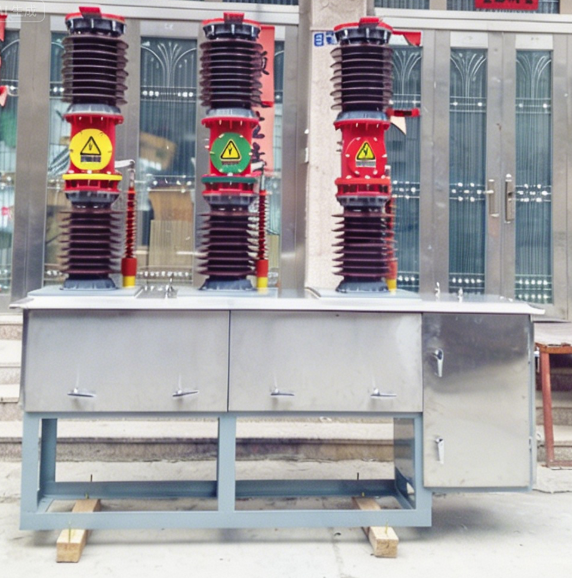
Shipping a vacuum circuit breaker requires careful attention to documentation and regulatory compliance. Every vacuum circuit breaker shipment must be accompanied by specific paperwork to ensure safe transport, verify equipment specifications, and meet industry standards. Without the correct documents, your shipment may face delays, rejection, or compliance violations at the point of delivery. Understanding what documentation is required protects your operation, ensures customer satisfaction, and demonstrates professional accountability in the electrical equipment supply chain.
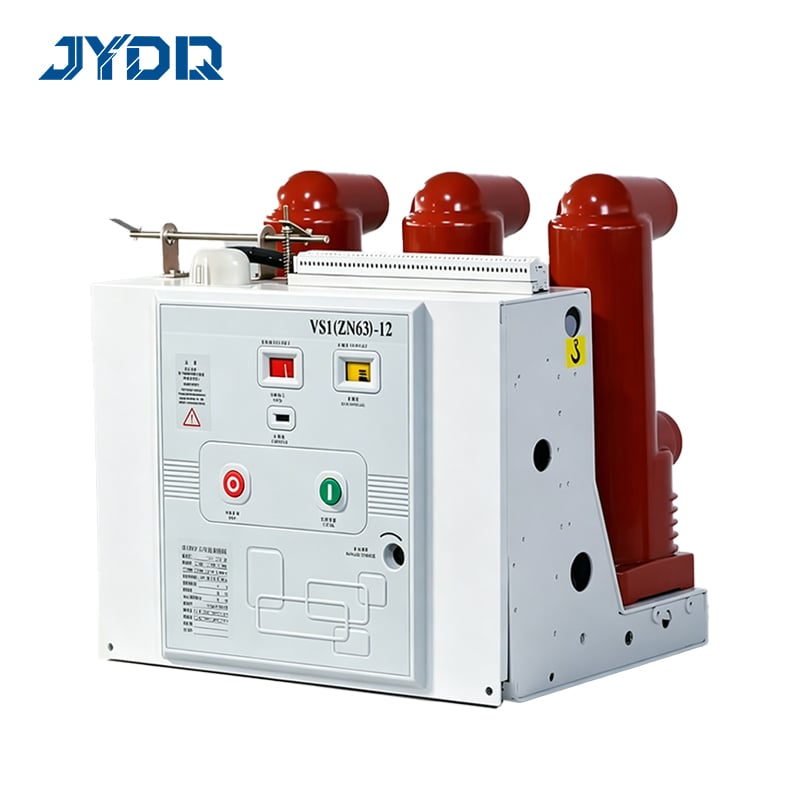
The documents accompanying a vacuum circuit breaker shipment serve multiple critical functions. They verify product authenticity, confirm performance specifications, demonstrate compliance with international standards, and provide essential information for installation and maintenance. Each document type plays a specific role in the broader ecosystem of electrical equipment supply, testing, and deployment. This comprehensive guide outlines the essential documentation requirements, explains their purpose, and highlights best practices for ensuring your vacuum circuit breaker shipments meet all regulatory and operational expectations.
Core Documentation Requirements
Test Report and Certification Standards
A test report is the cornerstone document for any vacuum circuit breaker shipment. This report provides independent verification that the equipment has undergone rigorous testing and meets established industry performance standards. The test report typically covers dielectric strength, short-circuit capacity, mechanical operation cycles, and environmental resilience. Regulatory bodies and end customers require this test report before accepting equipment into service, making it non-negotiable for safe and compliant operation.
Test results must demonstrate that the vacuum circuit breaker meets standards such as IEC 62271-100 or equivalent regional specifications. The test report should include specific measurements, pass-fail criteria, and the name of the accredited testing laboratory. This document protects both supplier and customer by providing an independent record of equipment performance. Without an accurate test report, the vacuum circuit breaker cannot be legally deployed in most industrial and utility applications.
Technical Documents and Specifications
Technical documents accompany the vacuum circuit breaker to provide detailed operational and maintenance guidance. These technical documents include rated voltage, current ratings, breaking capacity, insulation levels, and mechanical specifications. Engineers and maintenance teams rely on technical documents to understand equipment capabilities, plan installation procedures, and schedule preventive maintenance. The technical documents should be clear, complete, and provided in the language of the destination country when required.
Technical documents often include engineering drawings, schematic diagrams, and bill of materials for the vacuum circuit breaker assembly. This information helps installers understand internal construction, identify components, and diagnose issues if problems arise during deployment. Comprehensive technical documents reduce installation errors, minimize downtime, and extend equipment lifespan through informed maintenance practices.
Shipping and Compliance Documentation
Shipping Paperwork and Customs Clearance
Shipping documentation ensures smooth transit and customs clearance for your vacuum circuit breaker shipment. Required shipping paperwork includes the bill of lading, commercial invoice, packing list, and any applicable certificates of origin. These shipping documents identify the contents, declare product value, and establish legal responsibility during transport. Customs authorities require complete and accurate shipping documentation to verify compliance with trade regulations and tariff classifications.
The packing list must detail each vacuum circuit breaker unit, serial numbers, weight, and dimensions to match the physical shipment. Accurate shipping documentation prevents customs delays, reduces the risk of shipment rejection, and ensures the vacuum circuit breaker reaches its destination intact and on schedule. Many international shipments also require signed shipping documents confirming that dangerous goods protocols have been followed if applicable.
Safety and Environmental Compliance Certifications
Safety certifications demonstrate that the vacuum circuit breaker meets electrical safety standards in the destination market. Documents such as CE marking certification, UL listing, or equivalent approvals must accompany the shipment. These compliance certifications verify that the vacuum circuit breaker has been tested for electrical safety, mechanical robustness, and environmental stability. Absence of proper safety certifications can prevent equipment deployment and expose the end customer to legal liability.
Environmental compliance documents confirm that the vacuum circuit breaker meets regulations regarding hazardous substance restrictions, such as RoHS or REACH standards in European markets. These documents are essential for customers operating under strict environmental and health regulations. The vacuum circuit breaker shipment must include all applicable compliance certificates to demonstrate adherence to both technical and environmental standards governing equipment sale and use.
Documentation Best Practices and Quality Assurance
Organization and Accessibility of Records
Organizing your vacuum circuit breaker shipment documentation ensures rapid access and reduces processing delays. Documents should be organized logically: test report with technical documents first, followed by shipping paperwork and compliance certificates. Digital copies of all documents should accompany physical shipments, allowing remote verification and reducing risk of loss. Clear labeling and indexing of the vacuum circuit breaker shipment documentation enables customers to quickly locate needed information.
Maintaining organized documentation also supports after-sales support and warranty claims. When service issues arise, the vacuum circuit breaker documentation provides historical context for troubleshooting and component identification. Customers appreciate suppliers who deliver well-organized, complete documentation packages because it demonstrates professionalism and reduces their administrative burden during equipment commissioning and deployment.
Digital Documentation and Quality Control
Modern supply chains benefit from digital documentation systems that track the vacuum circuit breaker from manufacture through delivery. Digital documentation ensures consistency, reduces errors associated with manual copying, and creates an audit trail for quality assurance purposes. The test report, technical documents, and shipping records should be stored in secure digital systems accessible to relevant stakeholders while maintaining confidentiality. This digital approach to managing vacuum circuit breaker shipment documentation reduces costs and improves reliability across the entire supply network.
Quality control processes should verify that all required documents are present and accurate before the vacuum circuit breaker leaves the warehouse. A simple checklist of required documents prevents costly delays and customer dissatisfaction. Regular audits of documentation practices ensure that your organization maintains consistent standards across all vacuum circuit breaker shipments, protecting your reputation and strengthening customer relationships over time.
FAQ
What is the purpose of a test report for a vacuum circuit breaker shipment?
A test report serves as independent verification that the vacuum circuit breaker has met rigorous performance standards through controlled laboratory testing. It documents compliance with international standards like IEC 62271-100, verifies dielectric strength and short-circuit capacity, and provides customers with confidence in equipment reliability. Regulatory bodies and end users require this test report before accepting the vacuum circuit breaker into service, making it essential for legal deployment and operational safety in industrial and utility applications.
Which technical documents must accompany a vacuum circuit breaker shipment?
Technical documents for a vacuum circuit breaker shipment should include rated voltage, current ratings, breaking capacity, insulation specifications, mechanical drawings, schematic diagrams, and maintenance procedures. These technical documents provide engineers and maintenance teams with the information necessary to plan installation, understand equipment capabilities, and perform preventive maintenance effectively. Complete technical documents reduce installation errors, support troubleshooting, and help extend the vacuum circuit breaker lifespan through informed operational practices.
Are shipping documents and compliance certifications equally important as test reports?
Yes, shipping documents and compliance certifications are equally important as test reports for successful vacuum circuit breaker delivery. While the test report verifies equipment performance, shipping documentation ensures customs clearance and legal transport, and compliance certifications confirm safety and environmental adherence in the destination market. Together, these documents form a comprehensive package that protects all parties involved in the vacuum circuit breaker supply chain and enables smooth equipment deployment at the final installation site.

 EN