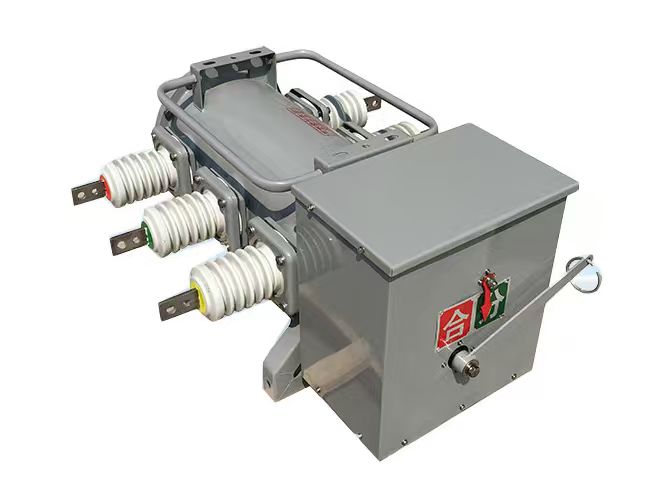
Modern power distribution systems demand reliable, safe, and efficient infrastructure to support growing industrial and commercial operations. The dry-type transformer has emerged as a critical component in contemporary electrical systems, addressing key challenges in power distribution while meeting stringent safety and performance standards. Unlike traditional oil-filled transformers, dry-type designs eliminate flammable liquid components, making them ideal for environments where fire risk mitigation is essential. This fundamental difference influences how modern facilities approach power infrastructure planning, maintenance protocols, and long-term operational reliability.
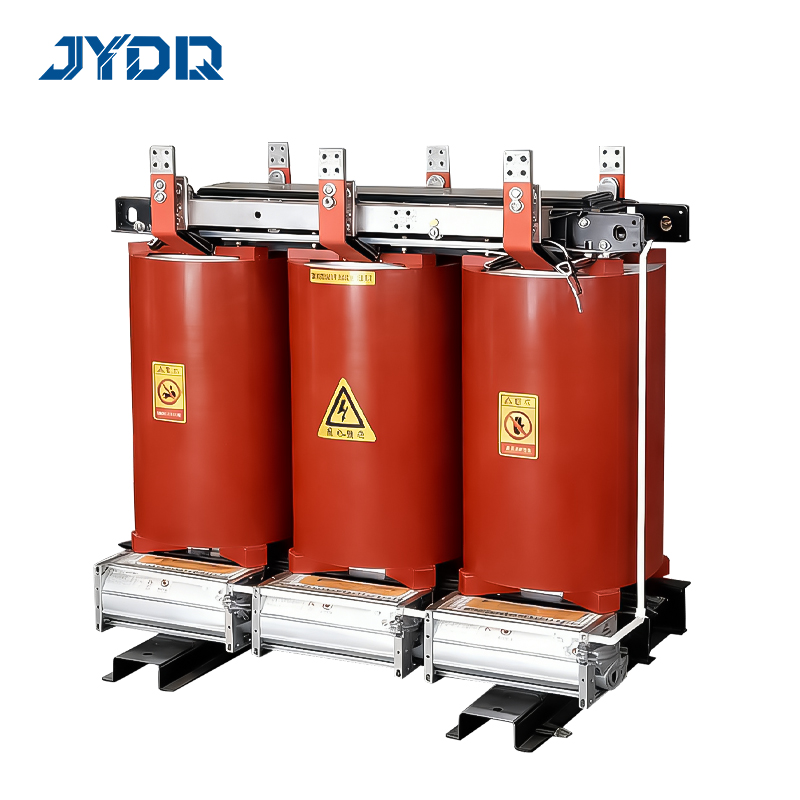
Cast resin technology represents a significant advancement in transformer design, providing superior insulation properties and mechanical strength compared to earlier dry-type solutions. The integration of cast resin materials into electrical equipment manufacturing has revolutionized how engineers design distribution systems for demanding industrial environments. Power distribution applications ranging from manufacturing plants to data centers rely on cast resin transformers to deliver consistent performance, reduce downtime, and maintain compliance with evolving regulatory standards. Understanding how these components function and their role in modern electrical systems is essential for facility managers, electrical engineers, and infrastructure planners seeking to optimize their power distribution strategies.
Core Benefits of Cast-Resin Technology in Power Distribution
Enhanced Safety and Fire Resistance
Cast resin construction fundamentally changes how transformers handle thermal stress and fault conditions. The solid insulation medium eliminates the combustible liquid that oil-filled units require, directly reducing fire risk in facilities where transformers are located near sensitive operations or populated areas. Power distribution systems installed in shopping centers, hospitals, office buildings, and manufacturing plants benefit significantly from this safety enhancement. Cast resin provides superior thermal conductivity compared to traditional dry insulation, allowing the electrical equipment to dissipate heat more effectively and operate at lower internal temperatures even under peak load conditions.
Operational Reliability and Maintenance Advantages
Dry-type transformers utilizing cast resin require substantially less maintenance than their oil-cooled counterparts. The absence of liquid cooling means no oil testing, no fluid replacement cycles, and no leakage concerns that typically plague traditional installations. Power distribution operators can significantly reduce long-term operational costs by eliminating routine fluid management, environmental monitoring, and disposal procedures. The robust cast resin insulation system remains stable across wide temperature ranges, ensuring consistent performance whether conditions are extremely hot or cold. This reliability makes cast resin technology particularly attractive for power distribution networks that cannot tolerate unexpected interruptions.
Design Characteristics Supporting Modern Power Distribution
Mechanical Strength and Structural Integrity
Cast resin materials provide exceptional mechanical strength that protects internal windings and core components from vibration, shock, and physical stress common in industrial environments. The solid insulation matrix prevents winding movement that can occur in traditionally designed units, extending equipment lifespan significantly. Dry-type transformers with cast resin construction demonstrate superior resistance to moisture ingress, a critical advantage in humid climates or facilities near bodies of water. Power distribution systems in such locations benefit from enhanced durability and reduced degradation rates. The encapsulation process ensures that dust, salt spray, and atmospheric contaminants cannot compromise insulation integrity, maintaining electrical performance over extended periods.
Thermal Performance and Load Capacity
Cast resin insulation systems achieve superior heat dissipation compared to vacuum-pressure impregnation and other traditional dry-type approaches. The material composition facilitates effective heat transfer from the core and windings to the transformer surface, where natural convection or forced cooling removes excess thermal energy. Power distribution applications requiring continuous full-load operation or frequent peak-load cycling depend on this thermal capability to maintain safe operating temperatures. Electrical equipment manufacturers have developed cast resin formulations that balance thermal conductivity with electrical insulation properties, creating systems that operate efficiently without sacrificing safety margins. Modern dry-type transformers can handle loading profiles that would compromise traditional units, making them essential for demanding industrial applications.
Integration into Power Distribution Networks
Installation Flexibility and Space Optimization
Cast resin dry-type transformers enable facility designers to install electrical equipment in locations where traditional oil-cooled units would be unacceptable due to safety regulations or spatial constraints. Urban facilities, indoor substations, and densely populated industrial zones all benefit from the ability to place transformers without extensive fire-containment infrastructure. Power distribution planners can optimize facility layouts by eliminating the need for transformer vaults, oil catchment systems, and ventilation requirements associated with liquid cooling. This flexibility translates to reduced installation costs and faster project timelines. The compact footprint of modern cast resin transformers allows distribution engineers to maximize available space while maintaining adequate cooling and accessibility for operational needs.
Environmental Compliance and Regulatory Alignment
Environmental regulations increasingly restrict or prohibit oil-filled transformers in certain applications and jurisdictions, making cast resin technology the compliance-friendly choice for new power distribution installations. The absence of mineral oil eliminates environmental contamination risks and simplifies waste management at end-of-life. Electrical equipment specifications in modern building codes and industrial standards frequently mandate dry-type or cast resin construction for safety-critical applications. Dry-type transformers help facility operators demonstrate environmental stewardship while meeting regulatory mandates without costly retrofitting or operational constraints. Power distribution systems designed around cast resin technology align with sustainability goals and long-term regulatory trends, protecting infrastructure investments from future compliance challenges.
FAQ
What specific advantages does cast resin offer compared to vacuum-pressure impregnated dry-type transformers?
Cast resin provides superior thermal conductivity, allowing power distribution equipment to operate at lower temperatures under similar load conditions. The solid encapsulation also offers better protection against moisture and environmental contaminants. Cast resin transformers typically exhibit longer operational lifespans and require less environmental conditioning compared to vacuum-pressure impregnated systems. For electrical equipment installations in challenging climates or demanding industrial environments, cast resin represents a more robust long-term solution that reduces maintenance requirements and operational risk.
How does a dry-type transformer improve power distribution reliability in critical facilities?
Dry-type transformers eliminate flammable cooling fluid, allowing installation in environments where fire suppression systems and ventilation requirements would complicate traditional equipment placement. Power distribution networks benefit from improved installation flexibility and faster deployment timelines. The enhanced durability of cast resin construction reduces unexpected failures, while the absence of oil maintenance cycles minimizes operational interruptions. Critical facilities such as hospitals, data centers, and emergency response centers rely on these reliability improvements to maintain continuous power supply to mission-critical systems.
Are cast resin dry-type transformers suitable for outdoor power distribution applications?
Modern cast resin transformers are engineered to withstand outdoor environmental conditions through specialized material formulations and protective coatings. Electrical equipment manufacturers offer weatherproofing options that protect cast resin insulation from UV radiation, salt spray, and moisture exposure. Power distribution systems in coastal regions, industrial parks, and rural areas successfully employ outdoor-rated dry-type transformers. While enclosure design and ventilation considerations remain important, cast resin technology enables reliable outdoor installation with appropriate environmental protections in place.

 EN