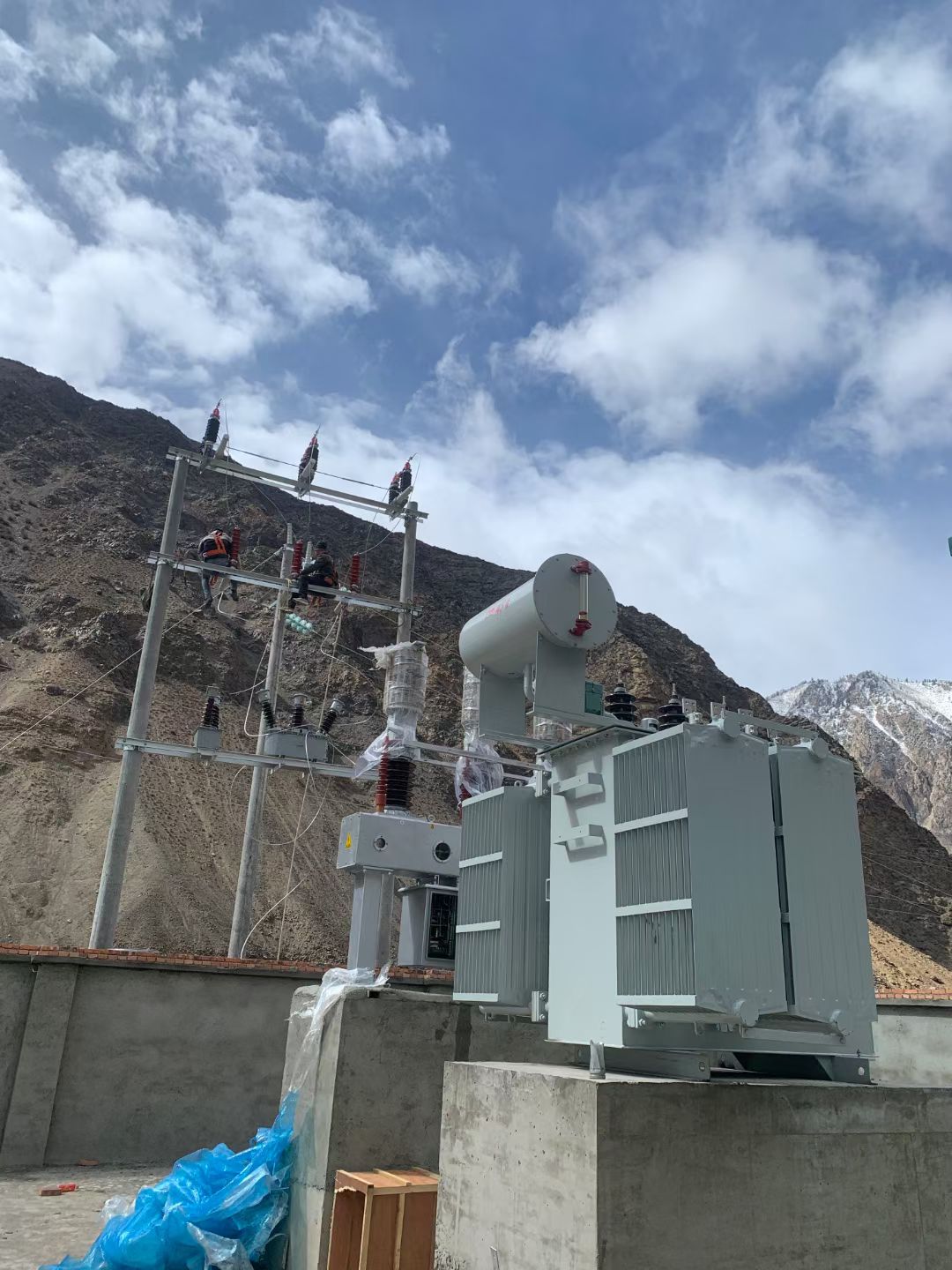
A prefabricated box-type transformer represents a fundamental shift in how industrial and utility projects approach electrical infrastructure deployment. Instead of assembling transformers, switchgear, and protection systems individually on-site, a prefabricated box-type transformer arrives as an integrated unit ready for connection. This modularity eliminates costly delays, reduces labor requirements, and ensures consistent quality across installation environments. For project managers and engineers, understanding how prefabrication simplifies installation is critical to meeting aggressive timelines and controlling project costs.
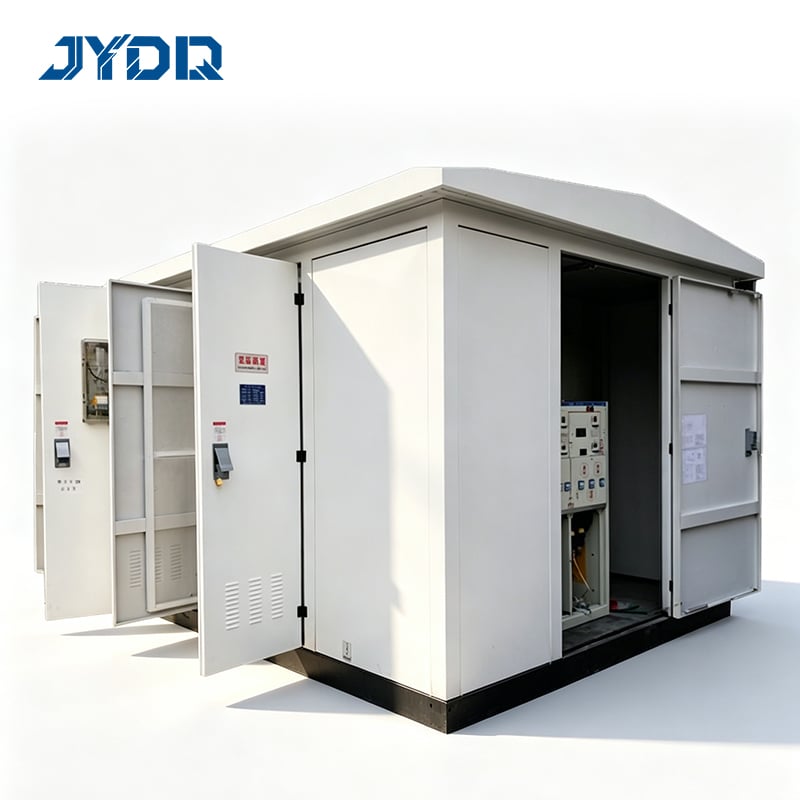
The traditional approach to electrical substation deployment requires extensive on-site assembly, coordination between multiple trades, and extended project schedules. A modular substation design eliminates these complications by combining the transformer, distribution components, and safety systems into one compact, pre-tested package. This approach dramatically compresses the installation window, improves worksite safety, and delivers measurable cost savings. Organizations across energy distribution, industrial manufacturing, and infrastructure sectors increasingly recognize that prefabrication is not merely a convenience—it is a strategic advantage for maintaining project schedule and operational readiness.
Streamlined Assembly and Faster Deployment
Pre-Integration Advantages
When a prefabricated box-type transformer arrives at a project site, internal components are already integrated, tested, and certified. The installer no longer faces the challenge of coordinating separate transformer delivery, switchgear installation, grounding system setup, and control panel programming. A modular substation condenses months of sequential work into a single plug-and-play deployment. This pre-integration means crews spend less time troubleshooting connection points, calibrating protection relays, and verifying isolation procedures. The result is a measurable reduction in installation labor hours and a corresponding acceleration of the project schedule.
Minimized On-Site Construction Time
Traditional substations require site preparation, equipment placement, interconnection assembly, and extended testing protocols. A modular substation arrives ready to connect, dramatically shrinking the on-site footprint of installation activities. Field crews focus primarily on foundation preparation, cable termination, and final integration testing rather than spending weeks assembling disparate components. For projects with tight timelines or limited access windows, this efficiency is transformative. The project schedule benefits directly from the elimination of sequential assembly steps, allowing subsequent phases to commence earlier.
Enhanced Quality Control and Safety Consistency
Factory Testing and Certification
A prefabricated box-type transformer is fully assembled and tested in a controlled factory environment. Every protective relay, circuit breaker, grounding connection, and safety interlock is verified before shipment. This factory-based quality assurance eliminates variability introduced by site-specific assembly conditions, weather exposure, and manual interconnection errors. When the equipment arrives on-site, it carries full type-test certification and performance validation. Organizations avoid the risk of field assembly errors affecting transformer reliability or protection system performance, which is particularly critical for installations serving critical infrastructure or hazardous industrial processes.
Consistent Installation Protocols
Because modular substations arrive in standardized configurations, installation protocols remain consistent across multiple projects and geographic locations. Field teams follow proven procedures rather than adapting assembly methods to specific site conditions or local contractor preferences. This consistency reduces the likelihood of commissioning delays caused by non-standard configurations or rework requirements. A modular substation design also means that spare parts, replacement components, and service procedures are standardized, further reducing operational risk and maintenance complexity across the organization's asset portfolio.
Cost Efficiency and Project Budget Control
Reduced Labor and Schedule Overhead
The installation of a traditional substation typically requires multiple specialized trades over an extended period. A prefabricated box-type transformer consolidates these labor requirements into a shorter deployment window. Fewer crew weeks on-site translate directly into reduced labor costs, lower supervision overhead, and faster transition to operational status. For organizations managing multiple simultaneous projects, the ability to compress the installation timeline allows resources to be deployed more efficiently across the project portfolio. Accelerating the project schedule also reduces carrying costs, temporary site infrastructure, and project management overhead associated with extended site activities.
Predictable Commissioning Timeline
Because a modular substation arrives fully integrated and factory-tested, the commissioning timeline becomes highly predictable. Crews perform final connections, protective relay settings verification, and acceptance testing in a condensed timeframe. The unpredictability associated with on-site assembly—equipment compatibility issues, interconnection errors, or delayed component delivery—is virtually eliminated. This predictability enables project managers to commit to firm operational handoff dates with minimal contingency buffer. Organizations that depend on meeting specific project schedule milestones recognize this benefit as critical to financial performance and stakeholder confidence.
FAQ
What is the primary advantage of modular substation design for installation timelines?
The primary advantage is that a modular substation arrives fully integrated and factory-tested, eliminating sequential on-site assembly steps. Instead of coordinating transformer delivery, switchgear installation, and protection system programming over months, field crews focus on foundation preparation and final connections over weeks. This compression of the installation window directly accelerates project schedule and reduces total project cost through labor efficiency and faster operational readiness.
How does a prefabricated box-type transformer improve quality consistency during installation?
Factory assembly and comprehensive type-testing ensure that every protective relay, circuit breaker, and safety system is verified before shipment. This approach eliminates quality variability introduced by on-site assembly conditions, environmental exposure, and manual interconnection errors. Field installations then follow standardized protocols with equipment that already meets certification requirements, reducing the risk of commissioning delays or rework caused by assembly deficiencies.
Can a modular substation reduce total project costs compared to traditional installation methods?
Yes, modular substation configurations typically deliver measurable cost reductions through shortened installation timelines, reduced labor requirements, lower project management overhead, and faster transition to operational status. The predictable commissioning timeline also reduces carrying costs and contingency buffers. Organizations managing critical infrastructure or multiple simultaneous projects experience particularly significant financial benefits from the efficiency gains inherent to prefabricated box-type transformer deployment.

 EN