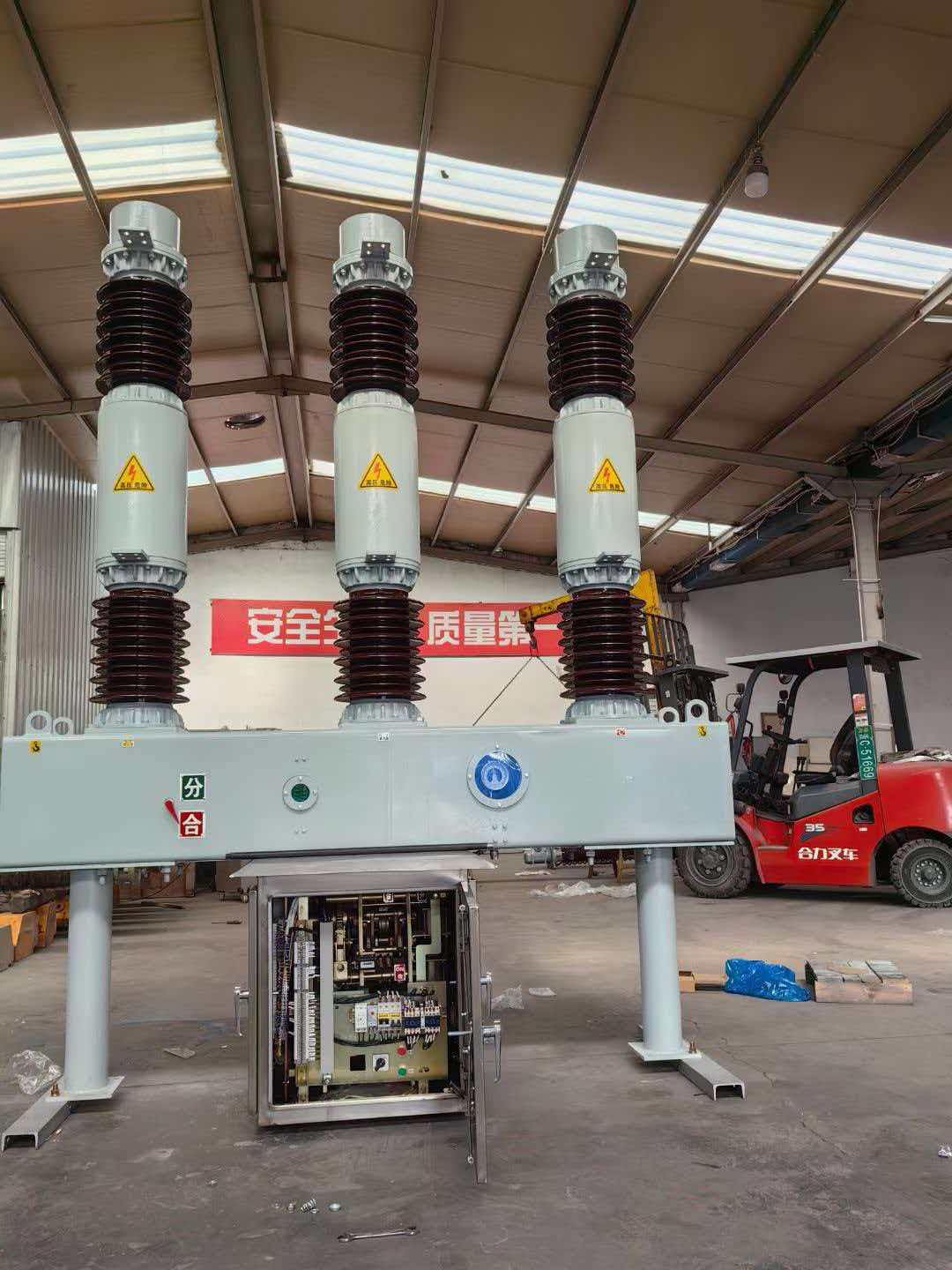
When evaluating quotations for a prefabricated box-type transformer, many procurement teams focus exclusively on unit price. This approach often leads to poor decisions, hidden costs, and operational inefficiencies. A comprehensive quotation comparison extends far beyond the initial price tag and requires careful analysis of technical specifications, delivery terms, warranty coverage, and long-term value. Understanding how to properly assess these elements transforms the quotation process from a simple cost exercise into a strategic procurement decision that directly impacts project success and total cost of ownership.
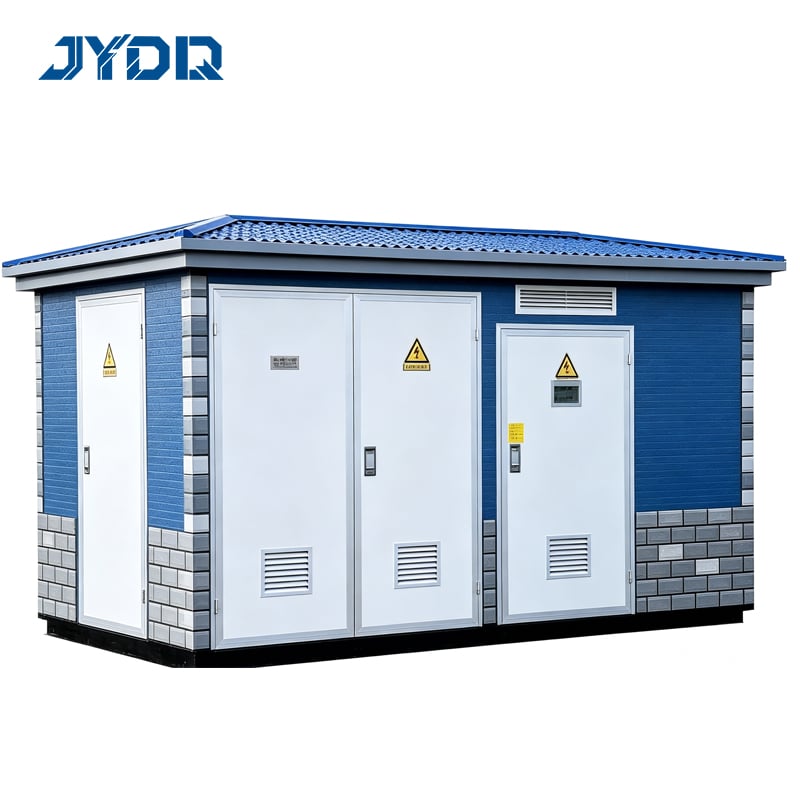
The procurement landscape for electrical infrastructure has evolved significantly, and so have the expectations for technical scope clarity in quotations. Vendors now offer varying levels of customization, integration support, and commissioning assistance. When you receive multiple quotations, each document represents not just a price, but a distinct package of deliverables, timelines, and service commitments. The challenge lies in extracting meaningful information from these quotations and comparing them on equivalent terms to ensure fair evaluation and realistic project planning.
Understanding Technical Scope in Quotation Evaluation
Component Specifications and Quality Standards
Technical scope defines exactly what the vendor will deliver and the quality level of each component. A prefabricated box-type transformer quotation must clearly itemize transformer windings, core materials, insulation classes, cooling systems, and protective equipment. The quotation should specify compliance with relevant international standards such as IEC or IEEE ratings, efficiency levels, and thermal performance metrics. When comparing quotations, verify that each vendor is proposing equivalent component quality and not substituting lower-grade materials to achieve a lower price. This detailed technical scope comparison prevents costly surprises during installation or commissioning phases when specification mismatches become apparent.
Customization and Configuration Options
Many procurement teams discover too late that their chosen quotation excludes critical customization required for their specific installation. The technical scope section should outline available configurations, mounting options, terminal arrangements, and integration points for monitoring systems. A comprehensive quotation will specify whether the prefabricated box-type transformer includes weatherproofing for outdoor deployment, ventilation requirements, or special handling for confined installation sites. Comparing these technical details across quotations ensures you select a solution that integrates seamlessly with your existing infrastructure rather than discovering incompatibilities during the final assembly phase that require expensive modifications.
Analyzing Procurement Factors Beyond Price
Delivery Timeline and Logistics
Procurement decisions involve far more than comparing unit costs when you factor in delivery schedules and associated logistics expenses. A quotation that appears competitive on price may carry extended lead times that delay your project timeline and trigger cascade costs in labor coordination and site availability. Evaluate whether each quotation includes transportation to your facility, unloading assistance, storage coordination, and insurance during transit. The prefabricated box-type transformer quotation must clarify responsibility for handling during delivery, potential damage liability, and replacement timelines if installation damage occurs. When comparing quotations, calculate the true procurement cost by including logistics expenses and factoring in the financial impact of project delays caused by longer lead times.
Warranty, Support, and Service Commitments
Warranty structures vary dramatically across quotations and directly influence total cost of ownership. Some vendors offer limited factory warranties covering only manufacturing defects, while others provide extended coverage including field service, spare parts availability, and performance guarantees. The quotation should specify warranty duration, what failures are covered, what conditions void coverage, and how claims are processed. Evaluate each quotation's service commitments including on-site commissioning support, training for your operational staff, and availability of spare parts throughout the equipment lifecycle. A quotation with a lower initial price but minimal warranty support often proves more expensive when field issues require emergency service calls or extended downtime. Proper procurement analysis requires weighing warranty comprehensiveness against the marginal price difference to identify the true value proposition.
Technical Scope Details That Impact Total Value
Testing, Certification, and Documentation
A professional quotation for a prefabricated box-type transformer must itemize all factory testing performed before shipment and certification documentation provided. This includes transformer efficiency measurements, insulation resistance testing, oil analysis results, and noise level verification. The quotation should specify whether documentation includes test certificates, compliance statements, material certifications, and as-built drawings required for regulatory compliance and future maintenance. Incomplete documentation creates procurement and operational risks because field personnel lack the technical baseline for troubleshooting and maintenance planning. When evaluating quotations, verify that each vendor's technical scope clearly identifies what testing is included in the unit price versus what represents additional cost. This distinction prevents budget overruns when your project requires certifications the vendor initially proposed as optional add-ons.
Maintenance and Operational Support
Beyond initial installation, the quotation procurement process should address long-term operational considerations baked into the technical scope. A comprehensive quotation specifies recommended maintenance intervals, identifies consumable components requiring periodic replacement, and provides clear guidance on condition monitoring requirements. The vendor should detail whether the prefabricated box-type transformer supports remote monitoring integration and what costs apply for connectivity infrastructure. Procurement teams who overlook these operational details often discover that their selected unit lacks compatibility with facility monitoring systems or requires proprietary maintenance procedures available only from the original vendor at premium rates. Comparing these operational elements across quotations reveals hidden lifecycle costs that price-only analysis completely misses.
FAQ
What hidden costs should I watch for when comparing prefabricated box-type transformer quotations?
Beyond the base unit price, watch for costs related to customization, expedited delivery fees, extended warranty options, site-specific modifications, commissioning travel, spare parts packages, and integration with your monitoring systems. Many quotations present a low base price but exclude these common add-ons, making price comparisons meaningless. Request that each vendor provide a complete quotation that includes all costs to deliver a fully operational unit at your site, ready for integration into your electrical system. This transparent cost breakdown prevents budget surprises and enables genuine price-to-value comparison across competing quotations.
How do I ensure the technical scope is equivalent across different quotations?
Create a detailed specification checklist that itemizes every critical technical requirement including transformer rating, cooling method, voltage class, efficiency level, protection system, mounting configuration, and environmental ratings. Distribute this checklist to all vendors and require that their quotations explicitly confirm compliance with each specification point or identify any deviations. This standardized technical scope comparison prevents vendors from proposing fundamentally different solutions while claiming price competitiveness. When a quotation lacks detail on any specification point, request clarification in writing before making comparison decisions. This disciplined procurement approach ensures you compare apples to apples across all competing quotations.
Why is warranty and support important in the procurement evaluation process?
Warranty and support structures reflect vendor confidence in product reliability and significantly influence your total cost of ownership. A quotation with robust warranty coverage, available spare parts, and responsive field support protects your facility against unexpected failures that could cause production losses far exceeding the initial equipment cost. Poor warranty support forces you to rely on emergency service calls at inflated rates or tolerate extended downtime while parts are sourced. When evaluating quotations, calculate the financial impact of potential failure scenarios under each warranty scenario and factor this risk premium into your procurement decision. Superior warranty terms often justify a modest price premium when the risk reduction value is quantified properly.

 EN