Evaluating the mechanical operation of a vacuum circuit breaker is essential for maintaining reliable electrical distribution systems. A vacuum circuit breaker operates by using vacuum gas as an insulation medium, allowing contacts to separate smoothly and interrupt current flow without arcing or degradation. Understanding how to assess the mechanical operation of these critical components ensures safe and efficient system performance, prevents unexpected failures, and extends equipment lifespan in industrial and utility applications.
Proper VCB testing requires a systematic approach combining visual inspection, functional checks, and diagnostic measurements. Whether you manage substations, industrial facilities, or power distribution networks, knowing the correct methods for mechanical operation evaluation helps identify potential issues before they lead to costly downtime. This guide covers the essential inspection techniques, testing procedures, and performance indicators that define a well-maintained vacuum circuit breaker system.
Understanding Mechanical Operation Principles
Core Components and Function
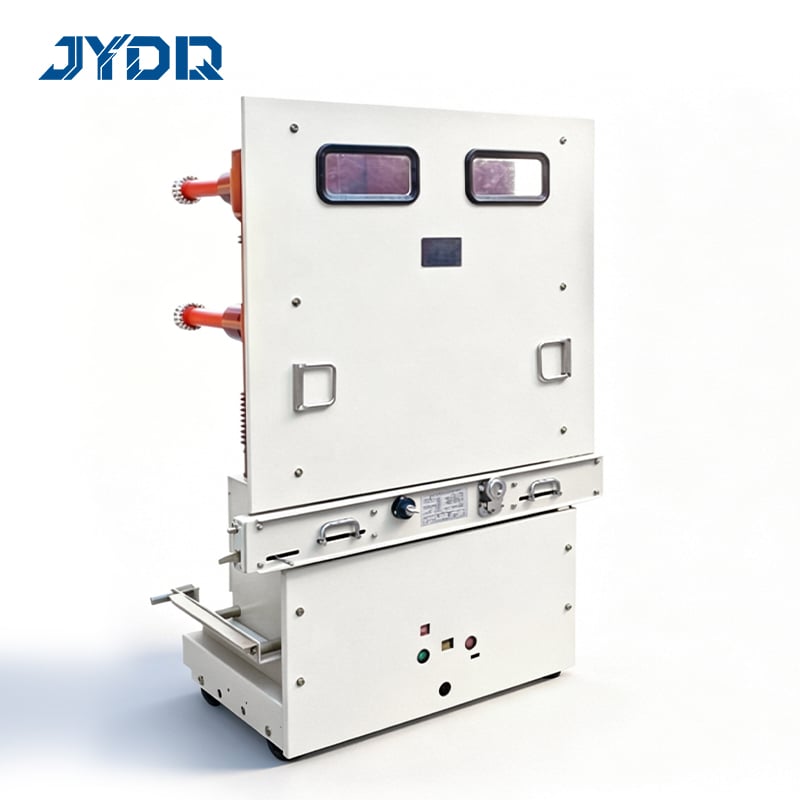
A vacuum circuit breaker contains several key mechanical elements: the movable contact assembly, the fixed contact structure, the operating mechanism, and the vacuum chamber itself. These components work together to create reliable electrical isolation. The mechanical operation depends on smooth contact engagement and disengagement, precise timing, and consistent force application. When the operating mechanism activates, it must move the contacts quickly and decisively to interrupt current flow and establish proper contact pressure for normal operations.
The vacuum chamber maintains insulation integrity by preventing arc formation between contacts. Mechanical operation inspection must verify that the chamber remains sealed and that contact surfaces maintain their integrity. Any degradation in mechanical components affects both the vacuum integrity and the overall reliability of the vacuum circuit breaker system. Understanding these principles provides the foundation for effective VCB testing procedures.
Contact Surface and Chamber Integrity
Contact surfaces in a vacuum circuit breaker must remain clean, smooth, and properly aligned for optimal mechanical operation. Over time, contact erosion from arcing can compromise both the surface quality and the mechanical alignment. During mechanical operation evaluation, technicians must assess contact wear patterns, measure surface irregularities, and confirm proper contact gap during both open and closed positions. Chamber vacuum levels also influence mechanical operation efficiency, as degraded vacuum reduces dielectric strength and increases arcing risk during contact separation.
VCB Testing Methods and Procedures
Visual and Physical Inspection
The first step in evaluating vacuum circuit breaker mechanical operation involves a thorough visual inspection. Technicians should examine the external housing for cracks, corrosion, or contamination that might indicate internal issues. Physical inspection of the contact arm movement, spring condition, and mechanical linkages reveals potential wear or damage. For proper VCB testing, measure the contact gap using precision instruments to ensure the open position meets manufacturer specifications. Check operating mechanism responsiveness by manually cycling the breaker through its operating sequence when power is isolated, confirming smooth, consistent motion without sticking or binding.
Dynamic Performance Assessment
Dynamic VCB testing measures how the vacuum circuit breaker responds during actual operation cycles. Install transducers to record contact movement timing, velocity, and acceleration profiles. These measurements reveal whether the mechanical operation achieves the required speed and force for reliable current interruption. Compare recorded timing data against manufacturer specifications to identify mechanical degradation or mechanism wear. Dynamic testing also helps detect inconsistencies between multiple operating cycles, which may indicate wear progression or imminent component failure. This data-driven approach to mechanical operation evaluation provides objective evidence of breaker health status.
Vacuum Level and Dielectric Testing
A vacuum circuit breaker's mechanical operation directly relates to maintaining proper vacuum levels within the chamber. Use specialized vacuum measurement equipment to verify that chamber pressure remains below critical thresholds. Low vacuum levels compromise the breaker's ability to interrupt current and reduce the effectiveness of mechanical operation. Conduct dielectric strength tests by applying high voltage between contacts while monitoring leakage current and breakdown voltage. These measurements confirm whether the vacuum level supports safe, reliable mechanical operation and electrical isolation capabilities.
Inspection Protocols and Maintenance Planning
Scheduled Inspection Framework
Establish a structured inspection schedule based on equipment age, operating history, and environmental conditions. Annual inspections provide baseline data for mechanical operation trending, allowing technicians to identify gradual degradation before failure occurs. More frequent inspections may be necessary in harsh environments with temperature extremes, high contamination levels, or corrosive atmospheres. Document each inspection thoroughly, recording measurements, observations, and any mechanical operation anomalies. This historical data enables predictive maintenance strategies that optimize inspection intervals and prevent unexpected downtime.
Maintenance Response and Remediation
When VCB testing reveals mechanical operation degradation, develop targeted maintenance responses based on severity. Minor contact erosion may require only continued monitoring, while significant wear demands repair or component replacement. Vacuum chamber degradation typically requires complete replacement, as resealing is not practical for most designs. When inspection identifies mechanical stiffness or timing delays, service the operating mechanism by cleaning linkages, replacing worn bearings, and relubrication as specified. After any maintenance work, repeat mechanical operation testing to confirm restoration of proper function and safe electrical performance.
Documentation and Performance Trending
Maintain detailed records of all mechanical operation measurements and inspection findings for each vacuum circuit breaker in your system. Trending this data over time reveals patterns indicating accelerating wear or emerging problems requiring urgent attention. Create baseline performance profiles during initial commissioning, then compare subsequent measurements against these standards. Analysis of performance trends helps optimize maintenance schedules, supports equipment replacement planning, and justifies capital investments in aging equipment upgrades. Comprehensive documentation also supports root cause analysis when failures occur, improving overall system reliability and operational safety.
FAQ
What are the primary signs of mechanical operation failure in a vacuum circuit breaker?
Primary signs include delayed contact movement timing, inconsistent operating cycles, audible grinding or binding noises, excessive vibration during operation, and visible contact erosion patterns. VCB testing may reveal unstable voltage or current interruption, reduced contact pressure, or vacuum chamber leakage. Any deviation from established baseline mechanical operation measurements warrants immediate investigation and corrective maintenance action.
How often should vacuum circuit breaker mechanical operation inspection occur?
Typically, annual inspections provide adequate monitoring for most operating conditions. However, high-stress environments, frequent switching operations, or equipment approaching end-of-life may require semi-annual or quarterly VCB testing. Environmental factors such as extreme temperatures, high humidity, or contaminated atmospheres increase inspection frequency needs. Manufacturer recommendations and facility-specific operating profiles should guide inspection scheduling decisions.
Can mechanical operation issues be repaired or must the vacuum circuit breaker be replaced?
Many mechanical operation issues can be addressed through targeted maintenance, including mechanism service, linkage adjustment, and bearing replacement. Contact erosion may be acceptable if within tolerance limits and vacuum integrity remains sound. However, severe chamber degradation, structural damage, or significant mechanical wear often necessitate equipment replacement. Professional VCB testing results and engineering analysis determine whether repair or replacement is the most cost-effective solution for your facility.

 EN