Planning electrical infrastructure requires careful consideration of both current and anticipated demands. When specifying switchgear, engineers and facility managers must think beyond immediate needs and design systems that accommodate future expansion without requiring complete replacement. The right switchgear selection today determines whether your electrical system can scale efficiently or becomes a constraint on growth.
Future expansion planning in electrical systems demands strategic foresight. By understanding how switchgear capacity and system design principles work together, you can make informed decisions that protect your investment while enabling sustainable growth. This approach reduces retrofitting costs, minimizes operational disruptions, and ensures your infrastructure remains reliable as demand increases.
Understanding Capacity Requirements for Future Expansion
Assessing Current and Projected Loads
Determining the appropriate switchgear capacity begins with a thorough load analysis. You must calculate not only existing electrical demands but also forecast growth based on business expansion plans, production increases, or facility modifications. Most industrial facilities underestimate future expansion needs by failing to account for equipment upgrades, process automation, or new production lines that will draw additional power.
A prudent approach involves establishing a baseline load, identifying growth drivers, and projecting demand across a defined time horizon, typically five to ten years. This analysis informs your switchgear selection and ensures the equipment can handle increased current and power levels without degradation or safety compromises. Future expansion becomes manageable when switchgear is sized with this forward-thinking methodology embedded in the system design.
Defining Headroom and Safety Margins
Electrical codes and engineering best practices recommend operating switchgear at no more than 80 percent of rated capacity under normal conditions. This headroom provides safety margins for demand fluctuations, emergency loads, and temporary peaks without stressing the equipment. When planning for future expansion, many engineers oversizeTheir switchgear by 20 to 30 percent beyond current requirements to create accommodation for growth without reducing operational margins.
By maintaining this capacity reserve, your switchgear remains safe, reliable, and ready to support increased load demands as your facility evolves. This strategy prevents the common scenario where switchgear becomes fully loaded shortly after installation, eliminating any flexibility for future expansion or operational contingencies.
System Design Principles for Scalability
Modular Switchgear Architecture
Modern switchgear design increasingly emphasizes modularity, allowing components to be added or upgraded without replacing the entire system. A modular system design approach enables you to start with core protection and control devices, then integrate additional circuits, protection schemes, or monitoring capabilities as expansion occurs. This flexibility makes future expansion both cost-effective and operationally seamless.
Choosing switchgear with standardized modules and readily available expansion bays ensures you can respond to growth opportunities quickly. Future expansion planning becomes significantly easier when your equipment architecture supports incremental upgrades. Additionally, standardized modules reduce spare parts inventory complexity and minimize training requirements for maintenance personnel working with consistent equipment designs.
Compartmentalization and Circuit Distribution
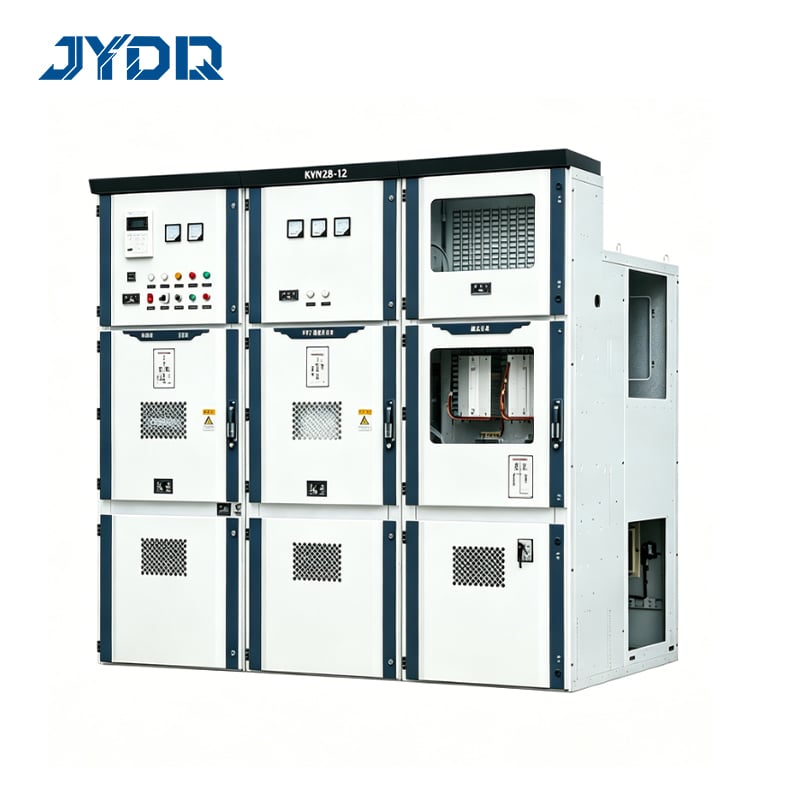
The physical layout of switchgear compartments directly impacts your ability to accommodate future expansion. A well-designed system design allocates circuits logically, maintains spacing for additional breakers or protective devices, and reserves bus capacity for new feeders. Compartmentalized switchgear allows you to isolate sections for maintenance or upgrades without disrupting the entire electrical system.
Future expansion becomes easier when your switchgear features adequate bus bars, spare compartments, and internal wiring that can accommodate additional circuits. Some facilities install future expansion-ready switchgear with empty compartments reserved for growth, allowing rapid installation of new protective devices as demand increases. This approach prevents the expensive retrofitting scenarios where engineers must replace entire sections or install supplementary equipment due to space constraints.
Practical Implementation and Strategic Considerations
Coordination with Production and Facility Plans
Effective switchgear specification requires close coordination between electrical engineers and operations, production, and facility planning teams. Understanding your organization's strategic direction ensures your capacity choices and system design align with anticipated growth. If management plans facility expansion, additional production lines, or equipment modernization within the next decade, these factors must directly influence your switchgear selection process.
Documenting these expansion plans and their electrical implications creates a specification baseline that prevents undersizing mistakes. Switchgear selected without this context frequently becomes a bottleneck for future expansion, forcing expensive equipment replacement or parallel installations that complicate operations and increase maintenance burden.
Testing and Validation for Growth Readiness
Before finalizing switchgear specifications, conduct detailed studies evaluating how your proposed equipment will perform under projected future loads. Load flow analysis, fault current calculations, and thermal evaluations ensure your switchgear will operate safely and reliably when fully utilized. These studies validate that protective coordination remains effective and that future expansion won't compromise system safety or stability.
Comprehensive testing and validation during specification phases identifies potential issues early, allowing design adjustments before equipment procurement and installation. This proactive approach prevents costly field modifications and unexpected performance limitations after future expansion is implemented. Documentation of these studies provides valuable reference material for maintenance personnel and engineers planning subsequent upgrades.
FAQ
What percentage capacity should switchgear maintain for future expansion?
Industry standards recommend designing switchgear systems to operate at no more than 80 percent of rated capacity under normal conditions. For facilities planning significant future expansion, many engineers select equipment 20 to 30 percent larger than current requirements. This approach maintains safety margins while ensuring sufficient headroom for growth without immediate replacement or capacity restrictions.
How does system design influence expandability?
System design directly determines how easily you can accommodate future expansion. Modular switchgear architectures, compartmentalized layouts, and reserved circuit space enable cost-effective upgrades and additions. When equipment features standardized components and readily available expansion bays, future expansion can be implemented quickly without disrupting existing operations or requiring expensive retrofitting.
What factors should inform switchgear capacity decisions?
Switchgear capacity should reflect current loads plus projected future expansion needs over your planning horizon, typically five to ten years. Coordinate with production, facilities, and strategic planning teams to identify planned growth, equipment upgrades, and facility modifications. Load studies, fault calculations, and thermal analysis confirm that your selected capacity will support both current operations and future expansion safely and reliably.

 EN