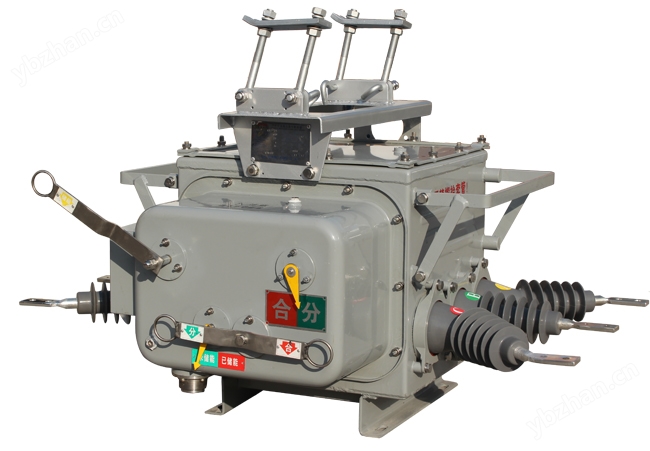
An sf6 ckt breaker represents a significant capital investment in your electrical infrastructure. Knowing when to schedule an overhaul is critical to maintaining safety, reliability, and operational efficiency across your high-voltage distribution network. Most industrial and utility operators face the challenge of deciding whether to repair, refurbish, or replace aging switchgear without compromising system performance or budget priorities.
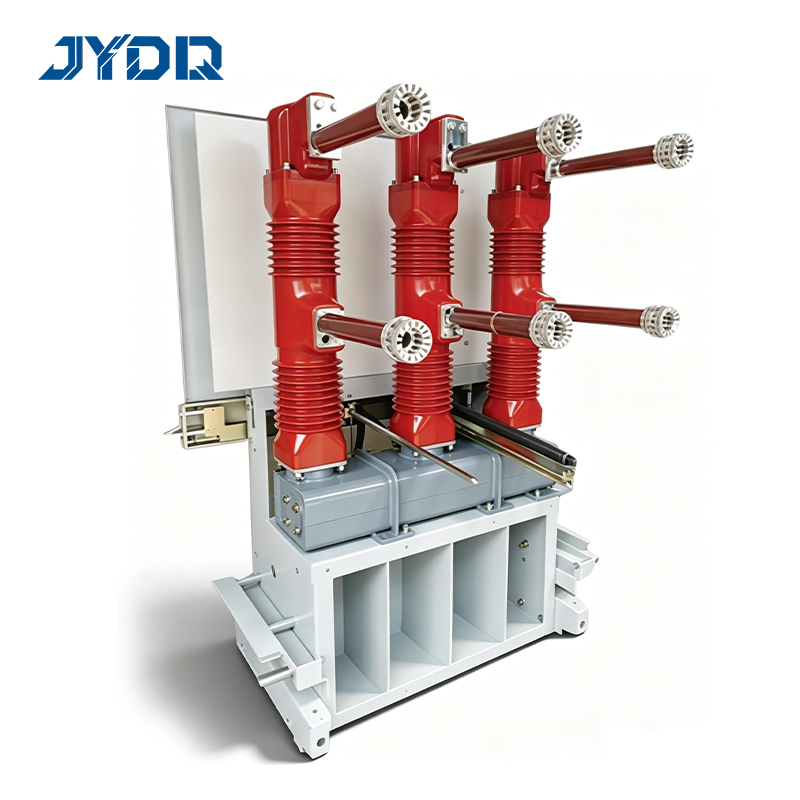
The decision to overhaul your sf6 ckt breaker depends on multiple factors including equipment age, historical maintenance records, operational load cycles, and environmental conditions. A structured condition assessment provides the data needed to make informed decisions about maintenance and capital allocation. This article explores the key indicators that signal when your equipment requires overhaul intervention and how to evaluate readiness for major refurbishment work.
Age and Service History Considerations
Understanding Equipment Lifecycle Patterns
Most sf6 ckt breaker units remain operationally viable for 25 to 40 years under typical conditions, but maintenance requirements intensify significantly after the 15 to 20 year mark. Equipment that has operated continuously under heavy load cycling ages faster than units in lighter-duty applications. A comprehensive maintenance history showing regular gas analysis, mechanical inspections, and component replacements indicates which breakers are candidates for extended service life versus those requiring immediate overhaul attention.
Breakers installed during the 1980s and 1990s often use older sf6 gas formulations and mechanical designs that may lack modern reliability features. Refurbishment and overhaul become economically justified when the cost of parts, labor, and downtime remains significantly lower than complete unit replacement. Documentation of previous maintenance actions, including seal replacements, contact erosion repairs, and operating mechanism adjustments, provides a clear roadmap for planning an effective overhaul strategy.
Load Cycle and Duty Classification Impact
High-speed switching applications impose greater stress on mechanical components and sf6 gas integrity compared to standard switching duties. Breakers operating in rapid-response or contingency scenarios accumulate operational cycles more quickly, accelerating wear on springs, latches, and contacts. A condition assessment must account for actual duty history, not just calendar age, because two breakers of identical vintage may require different overhaul timelines based on their operational workload.
Environmental factors also influence deterioration rates. Breakers located in areas with temperature extremes, moisture exposure, or airborne contamination experience accelerated aging of insulation systems and seals. Coastal installations face salt spray corrosion, while units in dry desert locations may suffer from brittle dielectric breakdown over time. These environmental stressors directly affect the urgency and scope of recommended overhaul activities.
Performance Indicators and Condition Assessment
Gas Quality and Dielectric Strength Measurements
Sulfur hexafluoride gas analysis represents the single most revealing diagnostic tool for determining whether a sf6 ckt breaker requires overhaul. Regular gas sampling detects dissolved water, decomposition byproducts, and contamination levels that indicate deteriorating conditions inside the breaker tank. When moisture content exceeds 100 ppm or acid number rises above threshold limits, internal corrosion and insulation degradation accelerate rapidly, making overhaul intervention essential within months rather than years.
Dielectric strength testing confirms whether the gas maintains adequate breakdown voltage capability under fault conditions. A decline in breakdown voltage suggests gas degradation, internal contamination, or moisture ingress requiring immediate maintenance. Combined with insulation resistance measurements on coils and control circuits, gas quality metrics provide objective evidence for timing overhaul decisions rather than relying on subjective judgments about equipment condition.
Mechanical Performance and Operating Mechanism Status
The operating mechanism of your sf6 ckt breaker represents its mechanical heart, converting electrical energy into the fast contact separation required during fault clearing. Over time, springs lose tension, latches develop play, and linkages accumulate wear that reduces operating speed and contact pressure. Timing tests showing slower closing or opening velocities indicate mechanism degradation warranting overhaul before catastrophic failure occurs during an actual fault event.
Contact resistance measurements reveal erosion patterns and surface contamination affecting electrical performance. When contact resistance drifts upward or shows asymmetry between phases, cleaning and resurfacing during overhaul become justified investments. Electrical monitoring combined with mechanical inspection provides the complete picture needed to assess whether your sf6 ckt breaker can safely continue service or requires comprehensive refurbishment.
Decision Criteria and Overhaul Triggers
Economics of Overhaul Versus Replacement
The threshold for overhaul decisions typically emerges when repair costs approach 50 to 60 percent of new equipment pricing. A modern replacement sf6 ckt breaker offers enhanced diagnostic capabilities, improved environmental performance, and extended service life warranting capital investment when major refurbishment becomes necessary. However, an overhaul costing 30 to 40 percent of replacement value often provides additional years of reliable service while preserving grid continuity during extended equipment procurement timelines.
Utility and industrial operators must evaluate lead times for new equipment delivery alongside operational risk tolerance. If replacement delivery requires 12 to 18 months and your existing sf6 ckt breaker can be revitalized through overhaul within weeks, the maintenance decision becomes strategically important beyond simple financial analysis. Condition assessment data supports these complex decisions by quantifying remaining service life probability and failure risk.
Regulatory Compliance and Environmental Considerations
Stricter environmental regulations increasingly restrict high-GWP sf6 gas leakage, creating incentives for overhaul and modernization of aging breakers. Many regions now require emissions monitoring systems and leak detection protocols that older breakers cannot accommodate without substantial modification. If your sf6 ckt breaker lacks modern environmental controls, overhaul presents an opportunity to retrofit compliance features while extending equipment life.
Planned overhaul work also allows installation of sealed enclosures, improved drain systems, and gas recovery equipment that reduce environmental exposure. Equipment overhauled with modern sealing standards and monitoring capabilities becomes compliant with emerging regulations while avoiding premature retirement. This forward-looking maintenance approach balances operational reliability with corporate sustainability objectives and regulatory risk management.
FAQ
How often should condition assessment be performed on an sf6 ckt breaker?
Annual condition assessment is recommended for breakers over 15 years old, including sf6 gas analysis, insulation resistance testing, and mechanical timing checks. Equipment showing degraded gas quality or declining mechanical performance should be assessed every six months. Early-stage breakers under 10 years of age typically require assessment only every two to three years unless specific failure symptoms emerge, allowing maintenance resources to focus on aging assets where overhaul timing becomes critical.
What specific maintenance actions comprise a typical sf6 ckt breaker overhaul?
A comprehensive overhaul includes tank opening, internal cleaning, seal and gasket replacement, contact resurfacing or replacement, operating mechanism lubrication and adjustment, gas recovery and purification or replacement, and complete electrical testing. Depending on condition assessment findings, selective component replacement addresses identified wear areas while full refurbishment restores the breaker to like-new performance standards. Modern overhaul procedures emphasize environmental compliance by capturing and recycling sf6 gas rather than venting to atmosphere.
Can an sf6 ckt breaker continue operating safely while awaiting scheduled overhaul?
Yes, if condition assessment confirms gas quality remains acceptable, insulation resistance meets standards, and mechanical timing stays within acceptable ranges, the breaker can continue safe operation while overhaul is scheduled. However, accelerated monitoring and contingency planning become essential when known degradation exists. Any sudden changes in gas quality, contact resistance trending, or operating mechanism performance should trigger immediate evaluation to prevent unexpected failure during critical system operation.

 EN