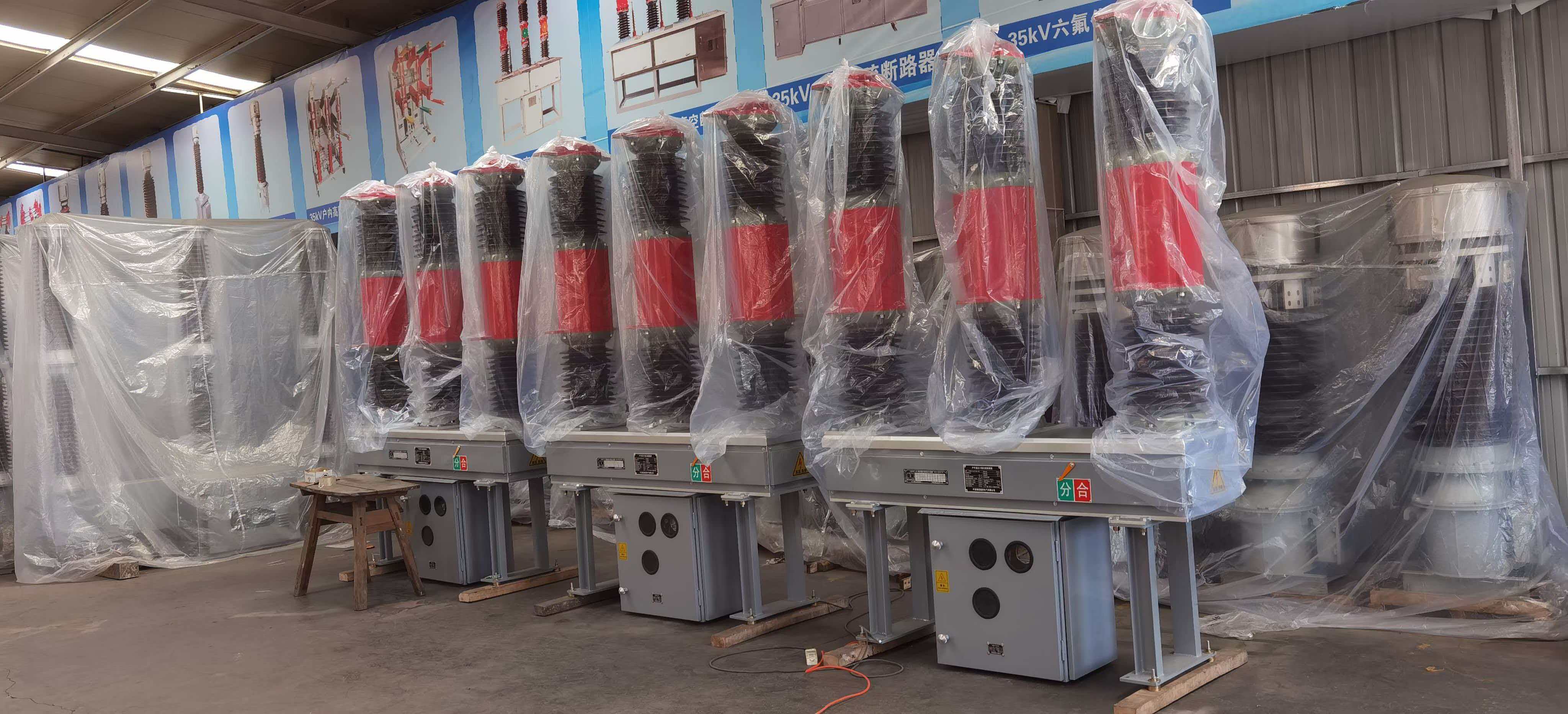
Compact layout has become a critical design principle in modern gas insulated switchgear installations, fundamentally reshaping how utilities and industrial operators approach substation development. The shift toward space-efficient solutions reflects both economic pressures and environmental constraints that define contemporary power infrastructure projects. Understanding why compact design matters can unlock substantial operational and financial benefits for organizations planning new substations or retrofitting existing facilities.
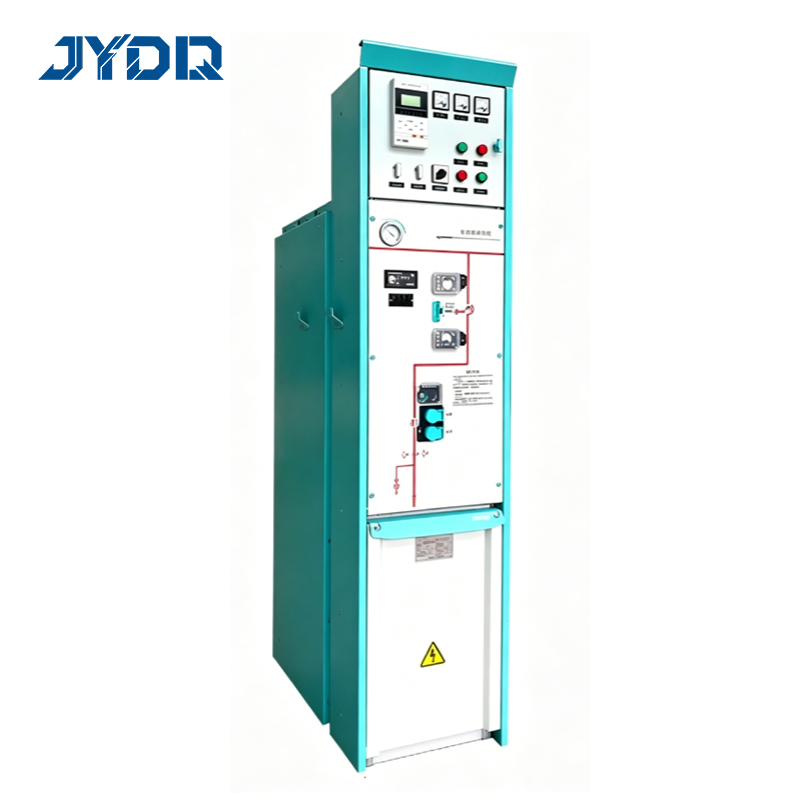
The importance of compact design in gas insulated switchgear projects extends beyond mere space conservation. Effective substation layout planning integrates technical performance, cost management, safety compliance, and long-term operational flexibility. When GIS systems are properly optimized for compact installation, they deliver measurable advantages throughout the equipment lifecycle, from initial capital expenditure through decommissioning.
Space Efficiency and Land Utilization
Reducing Footprint Requirements
Traditional air-insulated switchgear demands substantial land areas, often requiring multiple hectares for high-voltage substations. Gas insulated switchgear technology fundamentally changes this equation by enclosing conductive and insulating elements within compact metallic enclosures. This architectural innovation allows compact design approaches to reduce physical footprint by 70 to 90 percent compared to conventional layouts. For urban substations, industrial complexes, or retrofitted facilities where land scarcity drives project economics, this space reduction becomes transformative.
The substation layout benefits multiply when considering real-world constraints. Properties in metropolitan areas command premium prices, making land acquisition a significant project cost driver. By implementing gas insulated switchgear with optimized compact design principles, developers reclaim valuable real estate or reduce acquisition expenses substantially. This advantage extends to industrial parks where space utilization directly impacts operational density and revenue potential per square meter.
Vertical Integration Possibilities
Compact design in GIS enables vertical stacking and multi-level installation configurations impossible with traditional substations. Modern gas insulated switchgear can be arranged in compact, tower-like structures that preserve horizontal ground area while accommodating necessary electrical components. This architectural flexibility transforms substation layout planning, allowing engineers to design installations that integrate with existing urban infrastructure or industrial facilities seamlessly.
Vertical arrangement of gas insulated switchgear components supports innovative real estate integration. Substations can be incorporated into mixed-use developments, industrial buildings, or underground facilities where horizontal space is severely limited. This capability expands viable locations for power infrastructure, reducing community resistance and accelerating project timelines when siting challenges typically delay traditional substation development.
Cost Advantages and Economic Impact
Capital Expenditure Reduction
Compact design directly influences project capital costs through multiple mechanisms. First, reduced land requirements lower acquisition and preparation expenses, often representing 15 to 25 percent of total substation development costs. Second, smaller physical installations reduce civil works complexity, including foundation requirements, drainage systems, and perimeter security infrastructure. These tangible cost reductions accumulate rapidly when implementing gas insulated switchgear with optimized compact design across comprehensive substation layout plans.
The economic advantage extends to construction timelines and labor efficiency. Compact installations require fewer personnel for assembly and commissioning, reducing on-site overhead expenses. GIS equipment arrives largely pre-assembled, minimizing field fabrication and complex coordination demands inherent to larger traditional substations. Project managers recognize that gas insulated switchgear with thoughtful compact design specifications can shorten delivery schedules by 20 to 40 percent, providing quantifiable financial benefits beyond direct material savings.
Operational and Maintenance Economics
Operating compact gas insulated switchgear installations generates predictable maintenance cost advantages over full equipment lifespans. The sealed design of GIS eliminates weather-related degradation affecting exposed conductors and insulators in traditional layouts. Compact design configurations further reduce maintenance access requirements and environmental protection infrastructure. A 20 to 30-year service life involves substantially lower maintenance spending when comparing optimized gas insulated switchgear projects to conventional substation alternatives.
The reliability profile of compact design substations favorably impacts operational economics through higher availability rates. Gas insulated switchgear operates in controlled hermetic environments, reducing fault occurrence and unplanned outage frequency. When utilities or industrial operators calculate total cost of ownership across equipment lifespans, compact design gas insulated switchgear consistently demonstrates superior financial performance relative to traditional infrastructure requiring more frequent intervention and replacement.
Performance, Safety, and Environmental Considerations
Technical Performance in Compact Configuration
Compact design optimization requires sophisticated engineering to maintain electrical performance standards while reducing physical dimensions. Gas insulated switchgear enclosures use sulfur hexafluoride as both insulating and arc-quenching medium, enabling current interruption and voltage withstand in remarkably small spaces. Proper substation layout planning ensures that compact arrangements maintain required clearances, cooling efficiency, and protection coordination without compromising system reliability or safety margins.
Engineers designing GIS installations must balance compactness against thermal management requirements, ensuring gas temperature and pressure remain within safe operating ranges. Modern gas insulated switchgear incorporates sophisticated monitoring systems that maintain performance standards even in highly compact configurations. Substation layout specialists coordinate thermal flows, electrical spacing, and operational procedures to guarantee that compact design choices enhance rather than compromise system performance metrics.
Environmental and Safety Benefits
Compact design in gas insulated switchgear projects delivers significant environmental and safety advantages beyond space efficiency. Sealed GIS eliminates chemical contamination risks associated with traditional switchyard maintenance. The reduced footprint minimizes habitat disruption and environmental disturbance during both construction and operational phases. For substations in sensitive ecological zones or densely populated areas, compact design approaches substantially reduce environmental impact and community concerns.
Safety profiles improve measurably when implementing gas insulated switchgear with optimized compact design layouts. Personnel working near substations face reduced electrical hazard exposure due to complete equipment enclosure and locked compartmentalization. Compact configurations naturally separate operational zones, restricting access to energized equipment and reducing accidental contact incidents. This safety enhancement extends to emergency response scenarios, where clearly defined compact installations facilitate rapid assessment and intervention.
FAQ
How does compact design in gas insulated switchgear reduce project costs?
Compact design lowers costs through reduced land acquisition, simplified civil works, faster construction timelines, and decreased maintenance requirements. Smaller physical footprints eliminate expensive site preparation and infrastructure development. Gas insulated switchgear with compact design arrives largely pre-assembled, reducing on-site labor and coordination complexity. Over complete equipment lifecycles, these advantages accumulate into substantial total cost of ownership benefits compared to traditional substation alternatives.
What are the key differences between compact GIS layouts and traditional substation designs?
Traditional substations require extensive horizontal space with air gaps between equipment, typically occupying 2 to 10 hectares or more. Gas insulated switchgear with compact design encases all conductive and insulating components within metal-enclosed systems, reducing physical footprint by 70 to 90 percent. Compact design enables vertical stacking and integration into building structures, whereas traditional layouts demand open, flat terrain. GIS provides superior environmental protection and maintenance accessibility despite smaller dimensions.
Is compact design suitable for all substation voltage and capacity requirements?
Compact design gas insulated switchgear technology effectively serves voltages from 66 kV through 765 kV and beyond, supporting virtually all utility and industrial power levels. Substation layout engineers can optimize compact configurations for specific capacity and switching requirements through modular GIS architecture. While certain specialized applications may require custom designs, the vast majority of industrial and utility projects benefit from standardized compact design approaches. Consulting experienced GIS specialists ensures that compact design solutions align with specific technical and operational requirements.

 EN