Choosing the right eco-friendly gas cabinet is a critical decision for modern distribution systems. As industries increasingly prioritize sustainability and operational efficiency, the demand for environmentally responsible switchgear solutions has grown significantly. An eco-friendly gas cabinet represents a strategic investment that balances environmental responsibility with technical performance requirements, particularly in compact distribution applications where space constraints demand innovative engineering solutions.
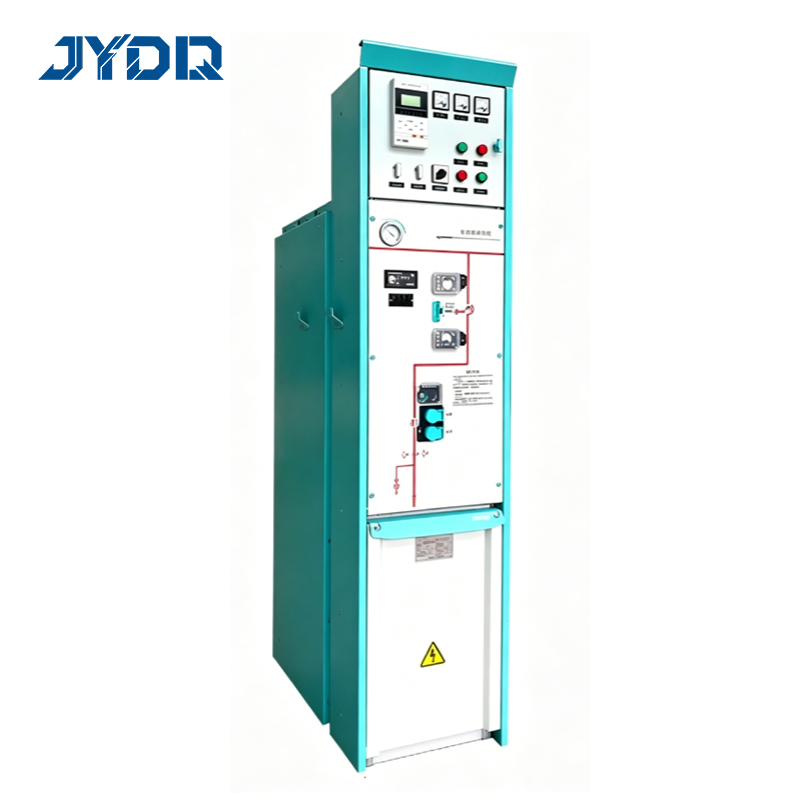
The selection process for an eco-friendly gas cabinet involves understanding multiple technical and environmental factors that directly impact your distribution network's long-term viability. Unlike traditional switchgear solutions, modern compact switchgear designs combine advanced gas-insulation technology with reduced environmental footprint, making them ideal for organizations committed to sustainability goals. This comprehensive guide explores the essential criteria for selecting the right solution for your specific distribution requirements.
Understanding Eco-Friendly Gas Cabinet Technology
Core Technology and Environmental Benefits
An eco-friendly gas cabinet utilizes advanced insulation media that significantly reduces environmental impact compared to conventional solutions. These systems typically employ gas mixtures with minimal global warming potential, addressing regulatory requirements and corporate sustainability commitments. The compact switchgear design minimizes physical footprint while maintaining full electrical performance, making efficient use of limited installation space in modern distribution facilities.
The environmental advantages of selecting this technology extend beyond operational emissions. Eco-friendly gas cabinets feature reduced leak rates, lower refrigerant content, and improved lifecycle management protocols. When evaluating distribution options, the total environmental cost of ownership becomes significantly lower than traditional alternatives, creating both regulatory compliance and competitive advantages for forward-thinking organizations.
Performance Specifications and Reliability
Compact switchgear solutions deliver exceptional reliability metrics while maintaining environmental responsibility. Modern designs incorporate redundancy features, advanced diagnostics, and predictive maintenance capabilities that ensure consistent distribution performance. The integration of eco-friendly insulation media does not compromise switching speed, voltage rating stability, or fault-clearing capacity that your distribution system demands.
Technical specifications for an eco-friendly gas cabinet should include rated voltage compatibility, current capacity alignment with your distribution infrastructure, and environmental operating ranges. These parameters ensure seamless integration with existing systems while providing future scalability for network expansion.
Selection Criteria for Your Distribution System
Assessing Space and Installation Requirements
Compact switchgear evaluation begins with thorough facility assessment and installation planning. The physical dimensions of an eco-friendly gas cabinet should align precisely with available space constraints while accommodating necessary maintenance clearances and ventilation requirements. Distribution systems in urban areas or retrofit projects particularly benefit from compact switchgear solutions that optimize real estate utilization without sacrificing technical capability.
Site-specific considerations include ambient temperature ranges, humidity levels, and proximity to sensitive equipment. Your distribution layout must accommodate proper cable routing, earthing connections, and safety protocols. Experienced selection teams evaluate physical constraints comprehensively to ensure the chosen eco-friendly gas cabinet integrates seamlessly with existing infrastructure while meeting all safety and operational standards.
Capacity and Load Profile Matching
An eco-friendly gas cabinet must precisely match your distribution system's electrical load requirements and growth projections. Load analysis should account for current consumption patterns, peak demand scenarios, and anticipated future expansion. Compact switchgear technology offers flexible rating options that accommodate various distribution configurations without requiring oversized installations that waste resources and investment capital.
Selection professionals examine fault levels, short-circuit withstand capacity, and switching duty requirements specific to your distribution network topology. The eco-friendly gas cabinet chosen must handle worst-case distribution scenarios while maintaining operational margins that protect equipment longevity. This detailed matching process prevents undersizing that compromises reliability and oversizing that increases environmental impact unnecessarily.
Implementation and Long-Term Value Considerations
Installation and Commissioning Strategy
Successful deployment of an eco-friendly gas cabinet requires coordinated planning between equipment suppliers and distribution operators. Compact switchgear installation involves specialized technical procedures, pressure testing, and system documentation that ensure regulatory compliance and warranty validity. Professional commissioning confirms that all electrical parameters align with design specifications and distribution system requirements.
Proper installation establishes the foundation for reliable long-term operation and environmental performance. Training personnel on eco-friendly gas cabinet operation, maintenance procedures, and safety protocols maximizes equipment lifespan and minimizes operational risks. The commissioning phase validates that your selection decision delivers anticipated benefits and sets protocols for predictive maintenance throughout the equipment lifecycle.
Total Cost of Ownership and Sustainability Impact
An eco-friendly gas cabinet delivers favorable total cost of ownership through reduced operational expenses, extended service intervals, and lower environmental remediation costs compared to traditional distribution solutions. Initial capital investment analysis should incorporate lifecycle cost modeling that accounts for maintenance requirements, potential leak mitigation, and regulatory compliance expenses. Modern compact switchgear technology justifies higher upfront costs through demonstrable long-term savings and reduced environmental liability.
Sustainability metrics directly influence corporate reporting requirements and stakeholder expectations. Selecting an eco-friendly gas cabinet for your distribution system strengthens environmental credentials while delivering measurable operational advantages. Organizations achieving carbon reduction targets through infrastructure improvements gain competitive advantages in procurement processes and customer relationship management across industries increasingly demanding sustainable supplier practices.
FAQ
What makes an eco-friendly gas cabinet different from conventional switchgear?
An eco-friendly gas cabinet employs advanced insulation media with minimal environmental impact, typically utilizing gas mixtures with near-zero global warming potential. Unlike conventional solutions using sulfur hexafluoride or other high-impact gases, modern compact switchgear combines environmental responsibility with superior technical performance. The eco-friendly gas cabinet design also incorporates enhanced leak detection and reduced refrigerant content, creating significant lifecycle environmental advantages while maintaining full distribution system reliability and switching capacity.
How do I determine the correct size of an eco-friendly gas cabinet for my distribution needs?
Proper sizing of an eco-friendly gas cabinet requires comprehensive electrical load analysis, site assessment, and future growth projection. Engineers evaluate your distribution system's current demand, peak consumption patterns, and anticipated expansion to select appropriate voltage and current ratings. The compact switchgear solution must accommodate worst-case fault scenarios while optimizing physical footprint to maximize facility space utilization. Consulting with qualified selection specialists ensures your eco-friendly gas cabinet matches distribution requirements precisely without undersizing or unnecessary oversizing.
What are the main benefits of choosing an eco-friendly gas cabinet over traditional alternatives?
Selecting an eco-friendly gas cabinet delivers environmental compliance, operational reliability, and long-term cost advantages for distribution systems. Key benefits include reduced global warming potential, lower leak rates, extended maintenance intervals, and improved system diagnostics through modern monitoring technology. The compact switchgear design optimizes facility space while delivering full electrical performance, creating both environmental and economic value. Organizations benefit from strengthened sustainability credentials, potential regulatory compliance advantages, and reduced total cost of ownership throughout the equipment lifecycle in their distribution infrastructure.

 EN