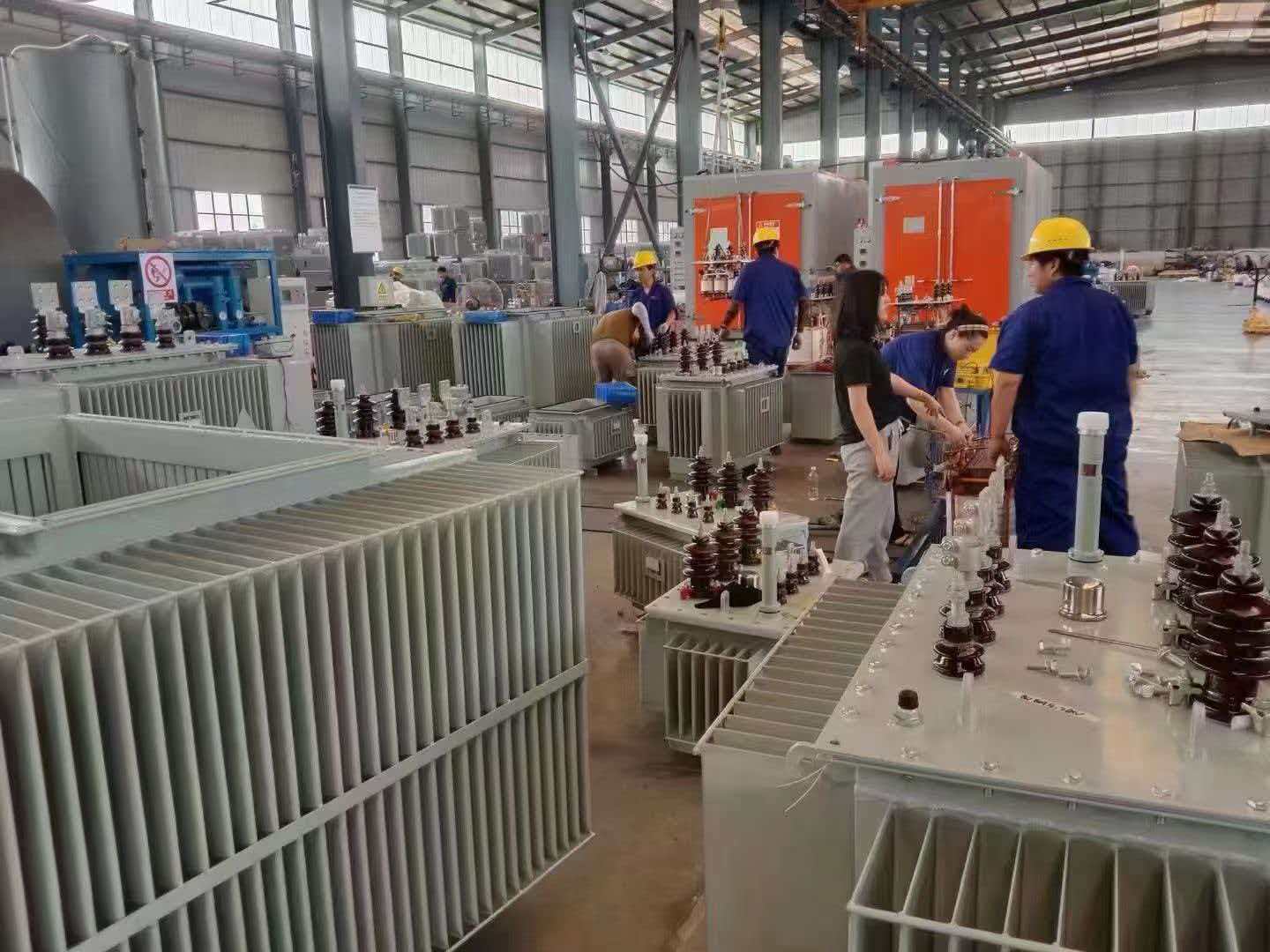
Shipping a dry type transformer requires careful preparation and comprehensive documentation to ensure regulatory compliance, product integrity, and safe delivery. Industrial equipment logistics demand more than just physical packaging; they require a complete set of technical documents that verify the equipment's specifications, performance characteristics, and suitability for the intended application. Understanding which documents must accompany each shipment protects manufacturers, distributors, and end users while preventing costly delays and compliance violations.
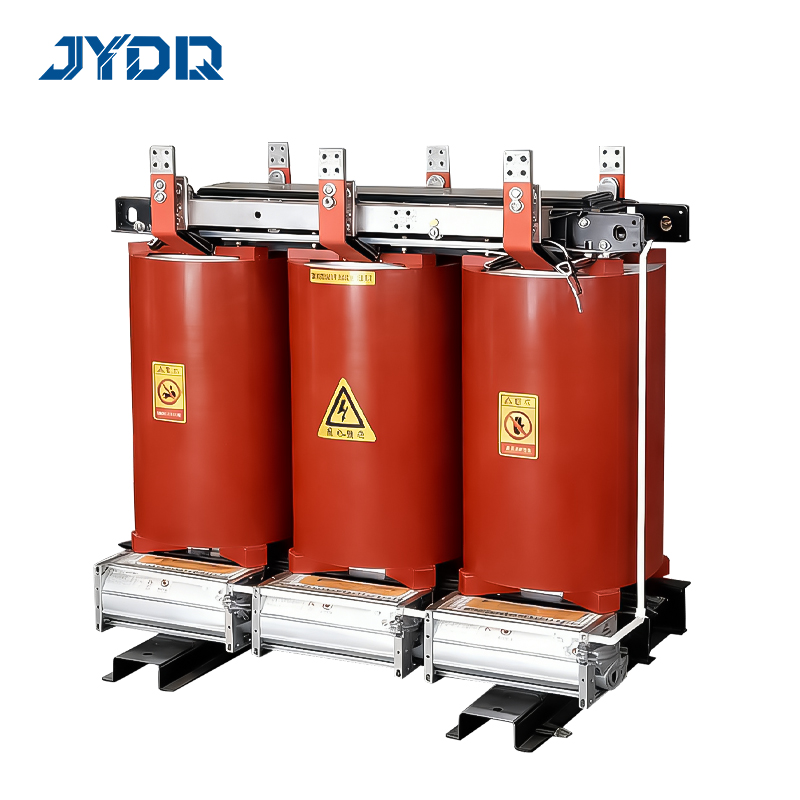
Proper shipping documentation establishes a clear record of the equipment's condition, specifications, and compliance status from factory to installation site. The technical documents accompanying a dry type transformer shipment form the foundation of successful project execution, warranty coverage, and future maintenance operations. This guide details the essential documentation requirements and explains why each document serves a critical role in the transformer supply chain.
Technical Documents and Specifications
Complete Transformer Specifications
The foundational technical documents must include detailed transformer specifications that describe all operational parameters. These specifications include power ratings measured in kVA, voltage levels for both primary and secondary windings, frequency ratings typically 50 or 60 Hz, impedance percentages, and cooling classifications. Manufacturers must provide dimensional drawings showing height, width, depth, and weight to help receivers plan for installation space and structural support requirements. The specifications document should also detail terminal arrangements, insulation class designations, and any special construction features unique to the dry type transformer design.
Nameplate and Rating Information
Every dry type transformer shipment requires a clear copy of the equipment nameplate that displays all critical operational information in permanent form. The nameplate should match exactly the technical documents provided to prevent confusion during installation. This document serves as a quick reference for electricians and maintenance personnel who need to verify basic operating parameters without consulting extensive technical manuals. The nameplate information becomes crucial for warranty claims and when ordering replacement components for the transformer throughout its service life.
Test Reports and Quality Verification
Factory Test Report
A comprehensive test report must accompany every dry type transformer shipment to document that factory testing has verified all specified performance characteristics. This test report should include resistance measurements for all windings, insulation resistance values measured under controlled conditions, turns ratio verification for each winding combination, and core loss measurements at rated voltage and frequency. The factory test report provides baseline performance data that can be compared against future field tests to detect equipment degradation or potential failures. This documentation protects manufacturers by providing evidence that the equipment met all specifications at the point of shipment.
Thermal Performance and Endurance Data
Technical documents must include test data confirming the dry type transformer can safely operate at specified temperature rises under rated load conditions. Temperature rise testing demonstrates that the transformer's cooling design adequately dissipates losses without exceeding insulation temperature limits. This documentation typically includes graphs showing temperature versus load curves and evidence that the equipment passes thermal endurance requirements established by applicable standards. For transformers operating in outdoor or harsh environments, temperature performance documentation becomes especially critical for ensuring reliable long-term operation.
Shipping and Compliance Documentation
Shipping Documentation and Handling Instructions
Every dry type transformer shipment must include detailed shipping instructions that specify proper handling, storage, and environmental protection requirements. These technical documents should outline acceptable temperature and humidity ranges during transport to prevent condensation or moisture ingress into the windings. The shipping documentation must indicate whether special packaging, desiccant materials, or climate-controlled containers are required for the specific transformer. Clear labeling instructions prevent mishandling during warehousing and transport, reducing risks of mechanical damage that could compromise electrical safety or performance.
Compliance Certificates and Standards Compliance
Technical documents accompanying shipment must include certificates verifying that the dry type transformer meets applicable national and international standards such as IEC, ANSI, or IEEE requirements. Compliance documentation should identify which specific standards govern the design, construction, and testing of the transformer. Certificates of compliance provide legal and regulatory protection for end users by confirming that the equipment meets minimum safety and performance requirements. This documentation often becomes mandatory when transformers are installed in regulated facilities or serve critical infrastructure applications where standards adherence is legally required.
Declaration of Conformity and Safety Information
Manufacturers must provide a formal declaration of conformity confirming that the dry type transformer meets all applicable regulations and safety requirements for the destination market. This document accompanies the shipment and becomes part of the permanent installation record. Safety data documentation should include information about the transformer's cooling medium, any hazardous substances used in manufacturing or insulation systems, and emergency response procedures. Clear safety information protects installation personnel and facility operators by communicating potential hazards and appropriate precautions throughout the equipment's service life.
Installation and Maintenance Support Documentation
Installation Instructions and Commissioning Guidelines
Complete shipping packages must include step-by-step installation instructions that guide engineers through safe and effective deployment of the dry type transformer. These technical documents specify grounding requirements, connection sequences, and verification procedures that must be completed before energizing the equipment. Commissioning guidelines detail pre-operation testing and performance verification steps that confirm the transformer operates correctly after installation. Comprehensive installation documentation minimizes startup delays and reduces the risk of operator errors that could damage equipment or compromise electrical system safety.
Maintenance Manuals and Service Information
Manufacturers must provide detailed maintenance manuals documenting inspection schedules, cleaning procedures, and troubleshooting guidance for the dry type transformer throughout its operational life. These technical documents describe how to perform routine maintenance without disrupting electrical service and identify signs of potential problems requiring professional service. Maintenance documentation should include recommended spare parts lists and procedures for accessing internal components when repairs become necessary. Clear maintenance information extends equipment life and helps facility managers plan preventive maintenance activities that minimize unplanned outages.
FAQ
What is the minimum documentation required for a dry type transformer shipment to meet international standards?
At minimum, shipments must include manufacturer specifications, factory test reports confirming performance, compliance certificates verifying standards adherence, and clear installation instructions. These core technical documents satisfy most regulatory requirements and provide recipients with essential information for safe installation and operation. Many customers require additional documentation such as warranty certificates, insurance documentation, and customs declarations depending on destination country and application requirements.
How should test report data be organized when shipping a dry type transformer internationally?
Test reports should be organized chronologically with factory acceptance test data appearing first, followed by any supplementary testing performed for specific customer requirements. Each test report page should clearly identify the transformer serial number and date of testing to maintain traceability throughout the shipping process. Original signed test reports or certified copies should accompany the shipment, with additional digital copies provided for customer records and insurance documentation purposes.
What happens if essential technical documents are missing from a dry type transformer shipment?
Missing documentation can trigger installation delays, regulatory compliance violations, and warranty disputes that complicate the project timeline and increase costs. Customers may refuse equipment acceptance or require additional factory testing before installation, extending delivery schedules significantly. Insurance claims and regulatory investigations become more difficult without complete documentation, potentially leaving all parties vulnerable to liability disputes if equipment performance issues develop after installation.

 EN