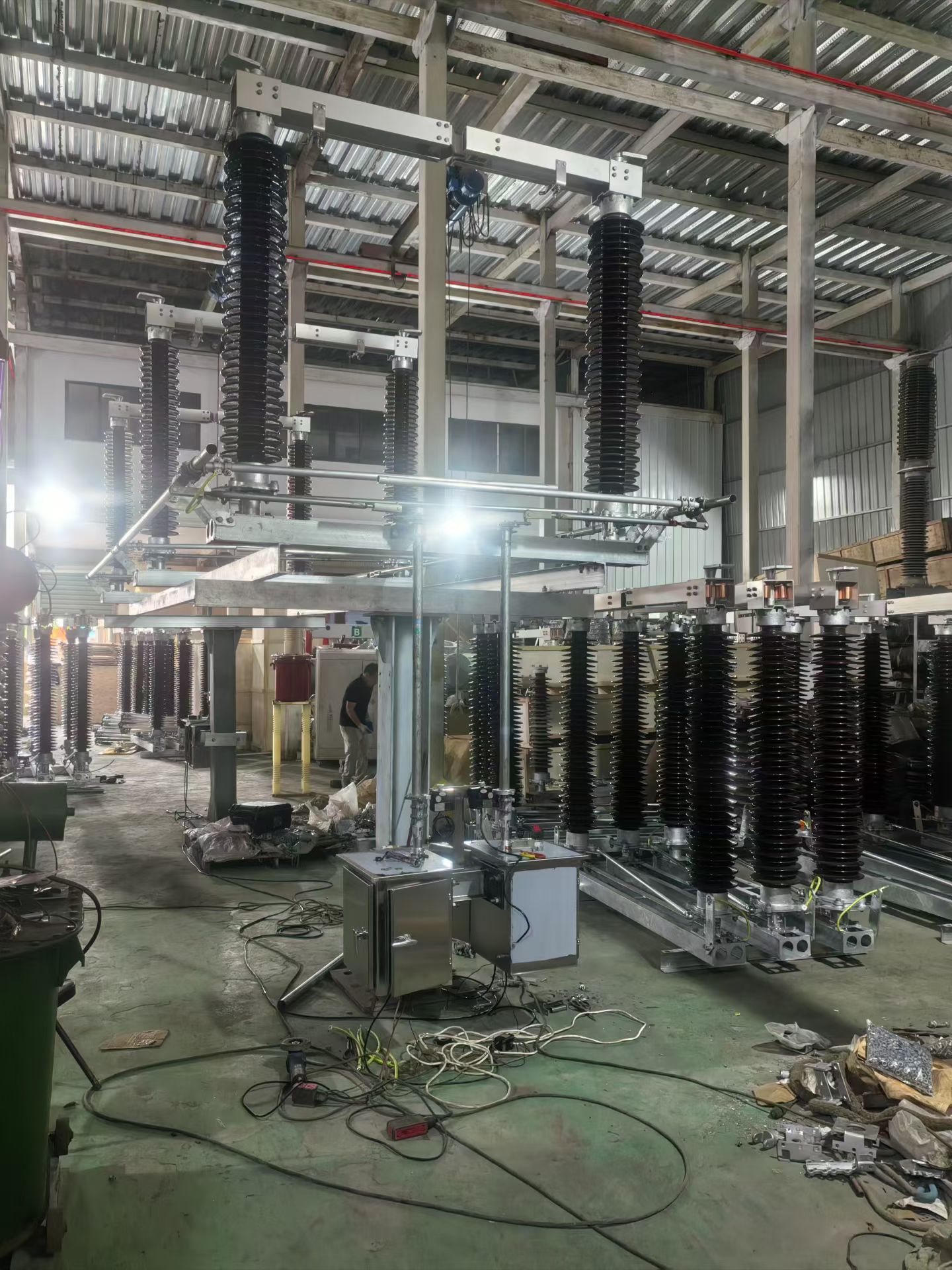
Developing a comprehensive specification for high and low voltage switchgear requires careful attention to electrical performance, safety standards, and operational requirements. A well-structured technical specification ensures that equipment meets your facility's needs, complies with applicable regulations, and performs reliably throughout its operational life. Whether you are preparing a tender document, evaluating supplier proposals, or upgrading existing infrastructure, understanding the essential components of a switchgear specification is critical to project success.
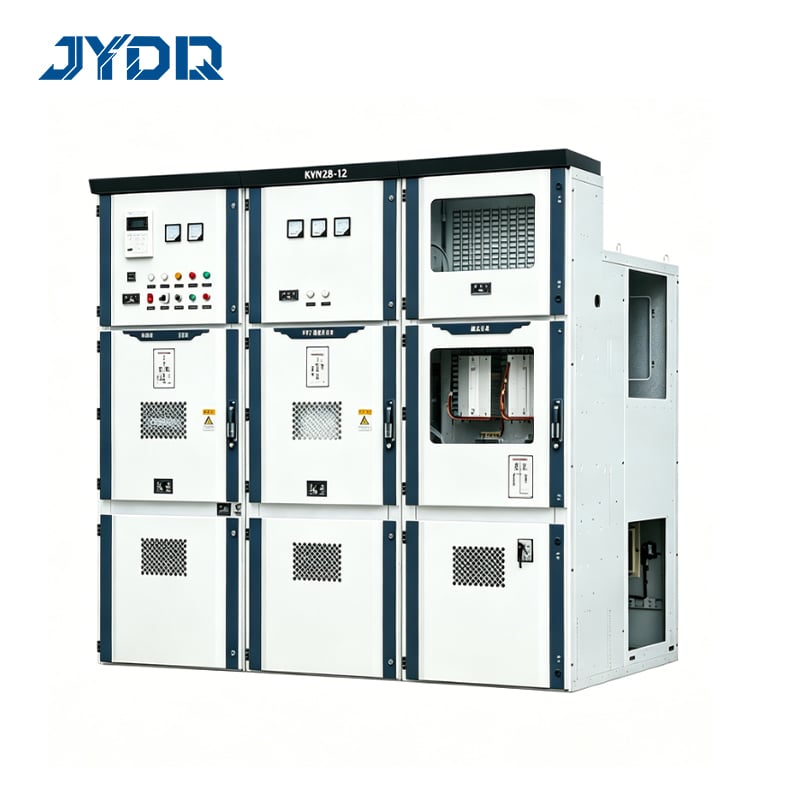
A robust technical specification serves as the foundation for procurement decisions and ensures that all stakeholders understand the equipment's intended function and performance expectations. This guide explores the key elements that should be included in any high and low voltage switchgear specification, helping you create clear, measurable requirements that lead to successful equipment selection and installation.
Electrical and Power System Requirements
Voltage and Current Ratings
The technical specification must begin with precise voltage ratings for both primary and secondary circuits. For high and low voltage switchgear, clearly state the rated voltage level, system configuration (three-phase or single-phase), and frequency. Specify the rated continuous current capacity, short-circuit withstand capability, and peak inrush current limits. These parameters directly influence equipment sizing, protection coordination, and overall system stability. Include the nominal system voltage, maximum operating voltage, and minimum operating voltage to establish clear operating boundaries.
Protection and Control Functions
Your technical specification should detail all protective functions required within the switchgear assembly. This includes overcurrent protection settings, earth fault detection, differential protection schemes, and any specialized protections needed for your application. Specify relay types, response times, and coordination requirements with upstream and downstream devices. For tender documents, clearly identify which protective functions are mandatory and which are optional. Define control voltage requirements, signaling outputs, and communication interfaces needed for integration with building management or plant automation systems.
Physical Design and Safety Standards Compliance
Enclosure Construction and Environmental Protection
The technical specification must specify enclosure type according to IEC 61439 or equivalent standards, identifying the degree of protection (IP rating) suitable for your installation environment. Define whether you need indoor or outdoor rated equipment, temperature range tolerance, and humidity resistance. For high and low voltage switchgear intended for harsh environments, specify corrosion protection requirements, paint specifications, and material compatibility. Address vibration resistance, seismic qualification if applicable, and dimensional constraints that must be accommodated in your facility layout. Include thermal design requirements, cooling provisions, and ventilation access needs.
Safety Features and Compliance Documentation
A comprehensive technical specification clearly outlines mandatory safety certifications and compliance standards. Specify conformance to IEC 61439, local electrical codes, and any industry-specific regulations applicable to your sector. Detail interlocking requirements between different sections of the switchgear, emergency shutdown provisions, and grounding specifications. Include requirements for arc flash mitigation, personnel protection devices, and access panels. The tender should require suppliers to provide evidence of third-party testing, certification documentation, and compliance statements for all safety features incorporated into the high and low voltage switchgear assembly.
Performance Testing and Quality Assurance
Factory and Field Testing Requirements
Your technical specification must define all required factory acceptance tests (FAT) and field acceptance tests (SAT) that validate equipment performance before final commissioning. Specify insulation resistance measurements, high-voltage dielectric strength tests, and operational function verification procedures. Include continuity testing of all connections, protection relay calibration verification, and response time measurements under simulated fault conditions. Define acceptance criteria clearly, establishing pass/fail thresholds for each test. For high and low voltage switchgear, specify load testing requirements, thermal imaging procedures, and any specialized diagnostics needed for your application environment.
Documentation and Training Deliverables
The technical specification should require comprehensive documentation packages that enable long-term operation and maintenance of the switchgear. Specify detailed as-built drawings showing actual component selections, wiring diagrams, and protection coordination charts. Require operation and maintenance manuals with specific focus on emergency procedures, troubleshooting guides, and spare parts lists. Define training requirements for your operating and maintenance personnel, including classroom sessions and hands-on equipment training. Include requirements for switchgear-specific software, firmware versions, and configuration documentation. The tender should clearly communicate expectations for technical support availability during and after the commissioning phase.
FAQ
What core electrical parameters must appear in every high and low voltage switchgear technical specification?
Every specification requires rated voltage, rated current, short-circuit capacity, frequency, system configuration, and protection function requirements. These parameters form the baseline for selecting appropriately sized equipment and ensuring compatibility with existing distribution systems. Include both normal operating ranges and extreme conditions the switchgear must withstand.
How detailed should a tender document be when specifying high and low voltage switchgear requirements?
A tender document should be specific enough to eliminate ambiguity but flexible enough to allow qualified suppliers to propose equivalent solutions. Include mandatory requirements versus preferred options, acceptance test procedures, and clear evaluation criteria. Provide sufficient technical specification detail that multiple suppliers can submit comparable proposals, enabling fair price comparison and risk assessment across competing bids.
Which safety standards and certifications are non-negotiable components of a switchgear technical specification?
IEC 61439 compliance is essential for all switchgear assemblies, supplemented by local electrical codes and industry-specific standards applicable to your facility. Require third-party certification from recognized testing laboratories, proof of short-circuit testing, and documentation of safety feature validation. Your specification should clearly identify which safety elements are mandatory and which certifications must accompany the delivered equipment.

 EN