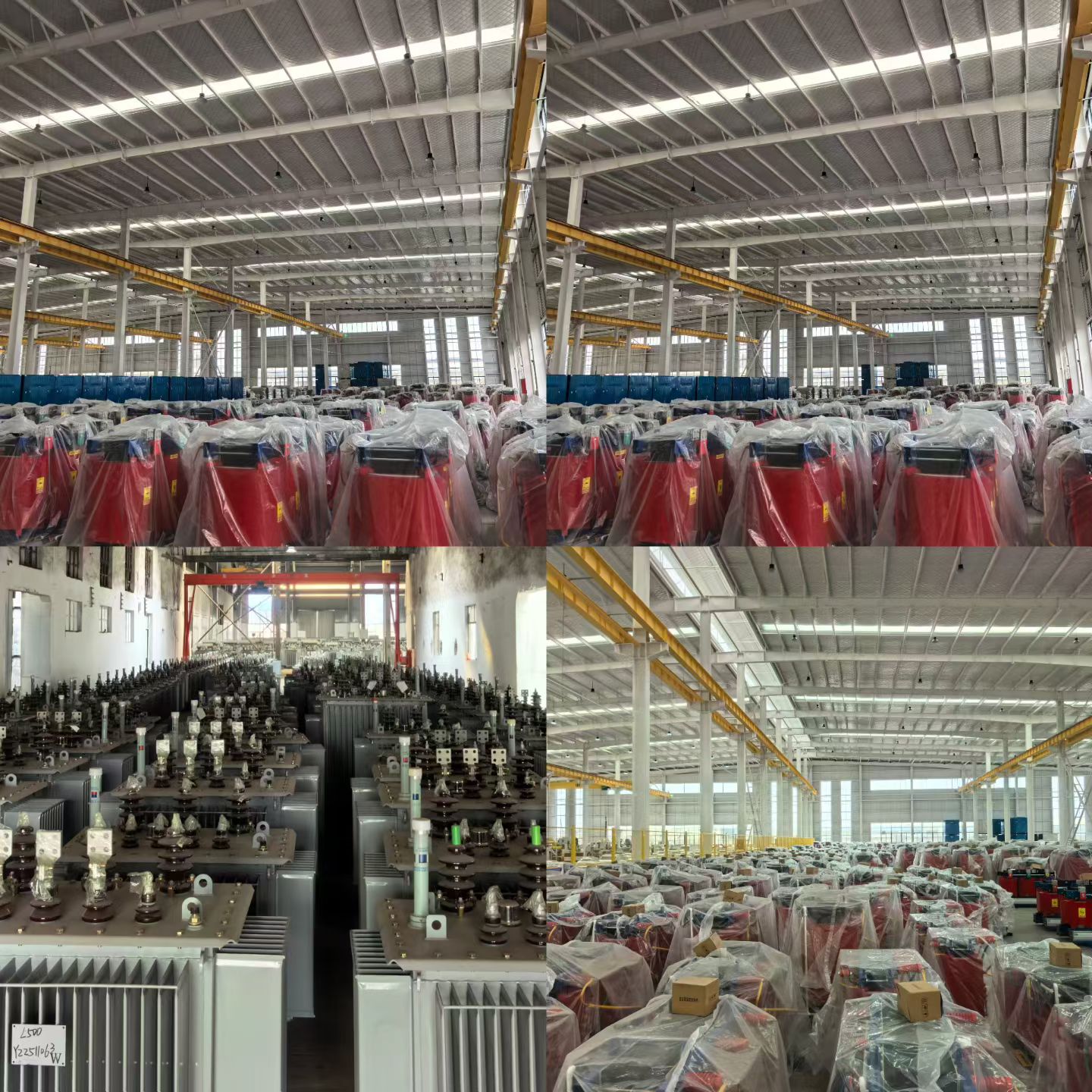
Selecting and specifying a prefabricated box-type transformer requires careful attention to multiple technical and operational factors that directly impact project success, safety, and long-term performance. Buyers must establish clear project requirements before engaging with suppliers, as the specifications chosen will determine compatibility with existing infrastructure, regulatory compliance, and overall system reliability. Understanding what to specify ensures that your prefabricated box-type transformer meets all functional demands while maintaining cost efficiency and minimizing installation delays.
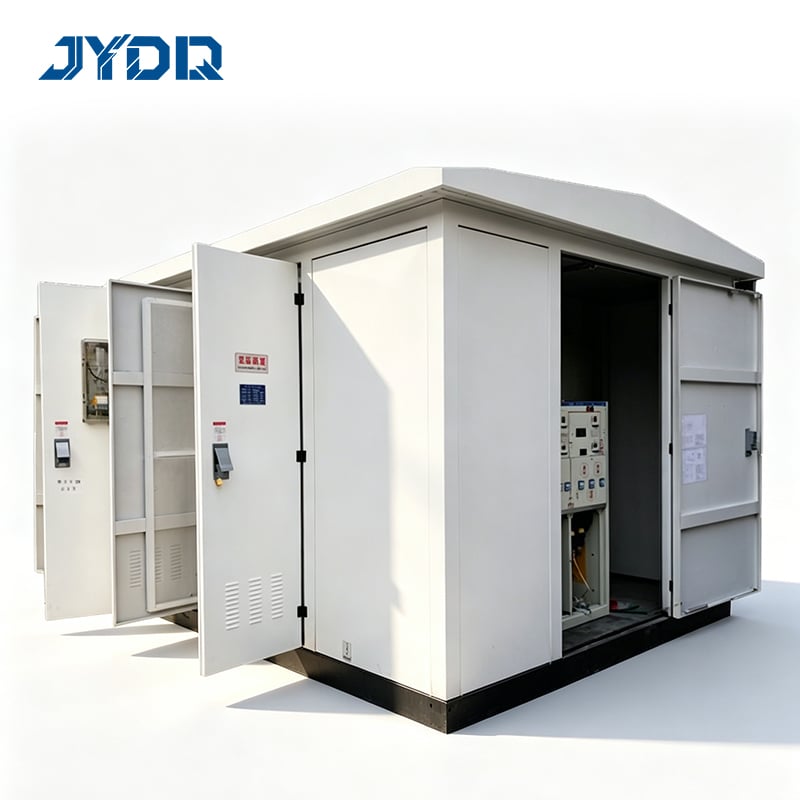
The process of specifying a prefabricated box-type transformer begins with a comprehensive understanding of your substation environment, electrical loads, and operational constraints. Every technical specification must align with your facility's existing systems and future capacity planning. By establishing these parameters early, you avoid costly redesigns, compatibility issues, and extended project timelines that can strain both budgets and operational schedules.
Electrical and Power Rating Specifications
Determining Correct Capacity and Voltage Levels
The foundation of any prefabricated box-type transformer specification lies in accurately determining capacity and voltage requirements. Your project requirement must account for current electrical load, anticipated future demand growth, and peak usage patterns within your substation. Technical specification documents should clearly define primary voltage, secondary voltage, and kVA rating to ensure the unit operates within its rated parameters and delivers reliable performance throughout its service life.
Specifying incorrect capacity is one of the most common costly mistakes in transformer procurement. If a prefabricated box-type transformer is undersized, it will operate continuously at elevated temperatures, reducing efficiency and shortening lifespan. Conversely, oversizing creates unnecessary expenses and wasted capacity. Work with your engineering team to calculate connected loads, demand factors, and growth projections. This technical specification foundation prevents future bottlenecks and ensures your substation can handle both current and foreseeable electrical demands.
Impedance and Loss Characteristics
Impedance and core loss specifications directly affect operating costs and system stability. When specifying a prefabricated box-type transformer, request detailed information on load losses and no-load losses, as these values determine energy consumption and heat generation. Your project requirement documentation should specify acceptable loss limits based on utility guidelines, environmental considerations, and operational budget constraints. Lower loss characteristics improve overall system efficiency but may require higher initial capital investment.
Physical and Environmental Compatibility
Dimensions, Weight, and Installation Space
Physical specifications are critical because space constraints often limit placement options in existing substations. Before finalizing any prefabricated box-type transformer specification, measure available floor space, doorway widths, and clearance requirements for maintenance access. The project requirement must account for cooling clearances, cable routing space, and future operational accessibility. Many installation delays stem from discovering that a transformer unit cannot fit through facility entry points or lacks sufficient clearance for proper ventilation and repair operations.
Weight considerations directly impact foundation design and installation logistics. Specify foundation requirements based on your prefabricated box-type transformer's actual weight and footprint to ensure structural adequacy. Your technical specification should include weight distribution data so civil and structural engineers can design appropriate support systems. This planning prevents foundation failures, costly structural modifications, and project rescheduling.
Cooling System and Environmental Requirements
Cooling method selection is a fundamental technical specification decision. Prefabricated box-type transformers typically employ forced-air or forced-oil cooling systems, each with distinct environmental implications and operational requirements. Your project requirement must specify ambient temperature ranges, ventilation availability, and operating conditions within your substation. Transformers specified for inadequate cooling environments will overheat, reducing efficiency and accelerating component degradation.
Environmental factors also influence enclosure type, material selection, and corrosion protection specifications. If your substation operates in coastal areas with salt spray or industrial zones with corrosive atmospheres, specify enhanced corrosion-resistant coatings and materials. The prefabricated box-type transformer technical specification should address humidity ranges, altitude limits, and exposure to dust or chemical contaminants. Proper environmental specifications prevent premature failure and extend asset life significantly.
Safety, Regulatory, and Interface Standards
Compliance and Certification Requirements
Every prefabricated box-type transformer project requirement must include compliance specifications for applicable regulatory standards and utility guidelines. Different regions enforce different safety codes, environmental regulations, and interconnection standards. Your technical specification should explicitly reference relevant IEEE standards, IEC protocols, or local utility requirements to ensure the specified unit meets all legal and operational mandates. Failure to address compliance early creates severe risks, including system rejection, costly retrofits, or operational shutdowns.
Documentation requirements are equally important within your project requirement framework. Specify that your supplier must provide full certification packages including factory test reports, material certifications, and operational manuals. This technical specification clarity ensures quality assurance and provides essential documentation for future maintenance, warranty claims, and system audits. Clear compliance specifications accelerate permitting processes and demonstrate professional project management to regulatory authorities and stakeholders.
Protection and Monitoring Systems
Specifying appropriate protective devices is essential for prefabricated box-type transformer reliability and system safety. Your project requirement should detail temperature monitoring capabilities, oil pressure switches, and alarm systems necessary for your operational environment. Technical specification documents must define response thresholds for overvoltage protection, fault detection, and automatic shutdown mechanisms. These specifications ensure the transformer integrates seamlessly with your substation control and monitoring infrastructure.
Communication interfaces and data logging capabilities represent increasingly important specifications in modern substations. If your project requires remote monitoring or integration with supervisory control systems, specify compatible communication protocols and data formats. This technical specification detail prevents integration headaches and enables effective asset management throughout the transformer's operational life.
FAQ
What is the most critical specification for a prefabricated box-type transformer project?
The electrical capacity and voltage ratings form the foundation of any successful prefabricated box-type transformer specification. If these core technical specification parameters are incorrect, all other specifications become secondary to the fundamental problem of inadequate or excessive capacity. Before addressing any other project requirement, establish accurate load calculations and voltage requirements through professional load analysis and demand forecasting studies.
How does technical specification impact the substation installation timeline?
Clear, detailed technical specification directly reduces installation delays by ensuring the prefabricated box-type transformer unit arrives complete, correct, and ready for integration. When project requirement documentation lacks specificity regarding dimensions, connections, or cooling requirements, suppliers may deliver units requiring field modifications, causing schedule disruptions. Comprehensive upfront specification of all connection details, mounting requirements, and interface standards enables smooth coordination between delivery, installation crews, and system integration teams within your substation environment.
Can specifications for a prefabricated box-type transformer be modified after procurement?
Modifying core technical specifications after procurement is typically costly, time-consuming, and sometimes impossible without unit replacement. The prefabricated box-type transformer's capacity, cooling system, and protective devices are engineered during manufacturing and cannot be easily altered in the field. This reality underscores why thorough upfront project requirement analysis and specification development prevent expensive change orders. Once manufacturing begins, any technical specification modifications trigger production delays, additional charges, and potential incompatibilities with existing substation infrastructure.

 EN