Selecting the right dry-type transformer requires understanding multiple technical factors, but temperature rise stands as one of the most critical performance indicators influencing equipment longevity, efficiency, and operational safety. Temperature rise directly impacts the insulation system, winding durability, and overall reliability of the transformer throughout its service life. Industrial operators and facility managers who overlook this specification risk premature equipment failure, increased maintenance costs, and potential safety hazards in their electrical distribution systems.
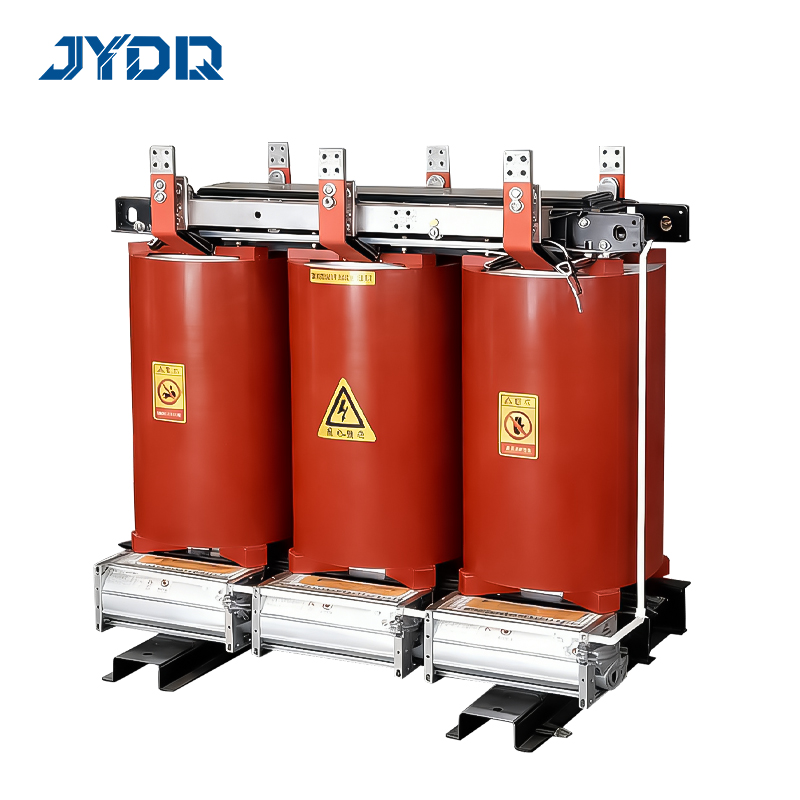
Temperature rise in a dry-type transformer is determined by the transformer design, core losses, winding losses, and cooling method employed. When current flows through the windings and core materials, resistive heating occurs naturally, and the ability to dissipate this heat away from critical insulation components defines the thermal performance of the unit. Industry standards establish maximum allowable temperature rise limits to ensure that insulation material degradation remains within acceptable rates, thereby preserving the expected 25 to 30-year lifespan typical of well-maintained dry-type transformers.
Understanding Temperature Rise and Its Impact on Transformer Performance
The Relationship Between Temperature Rise and Insulation Degradation
Every 10 degrees Celsius increase above the rated operating temperature approximately halves the insulation life of transformer windings, a relationship documented across decades of electrical engineering research. The thermal performance of a dry-type transformer directly controls how quickly the insulation material ages and becomes brittle. Higher temperature rise accelerates this degradation process, reducing equipment reliability and shortening the window for preventive maintenance planning. When selecting a transformer, engineers must verify that the specified temperature rise aligns with ambient conditions, duty cycle expectations, and facility cooling capabilities.
Standard Temperature Rise Classifications
Dry-type transformers typically fall into standard temperature rise categories: 80 Kelvin, 100 Kelvin, 115 Kelvin, and 150 Kelvin, measured at rated load under specified ambient conditions. A 80K transformer means the winding temperature rise above ambient air temperature will not exceed 80 degrees Celsius at full rated load. The transformer design and materials used in the core and windings determine which category applies. Selecting the correct classification prevents thermal stress on the insulation system and ensures thermal performance remains stable across seasonal variations and demand fluctuations.
How Transformer Design Influences Temperature Rise
Core and Winding Configuration
The transformer design fundamentally determines temperature rise characteristics through core lamination thickness, winding conductor size, and geometric arrangement. Modern dry-type transformer designs employ optimized core materials and conductor layouts to minimize resistive losses while maintaining structural integrity under magnetic stress. Engineers balance the physical size, weight, and cost of transformer design against thermal performance requirements. Amorphous core materials and extra-large conductor cross-sections can reduce core and winding losses, thereby improving thermal performance in demanding industrial applications.
Cooling Method Selection
Natural air cooling (AN) relies on passive convection through the transformer enclosure, while forced air cooling (AF) uses external fans to actively drive ventilation across the windings. The choice between these cooling methods directly impacts how effectively the transformer dissipates generated heat. Dry-type transformers in confined indoor spaces or high-temperature environments often require AF cooling to maintain acceptable temperature rise levels. The transformer design must accommodate the selected cooling infrastructure, influencing material selection, enclosure construction, and auxiliary equipment requirements.
Practical Selection Criteria for Temperature Rise Specification
Assessing Facility and Environmental Conditions
Before selecting a dry-type transformer, facility engineers must evaluate the ambient temperature range, cooling availability, and duty cycle characteristics. A transformer installed in a 40-degree Celsius ambient environment with an 80K temperature rise classification will reach 120 degrees Celsius at full load, potentially exceeding safe limits for certain applications. Conversely, selecting unnecessarily high temperature rise ratings drives up transformer size, cost, and footprint without providing operational benefit. Thermal performance should be matched precisely to actual facility conditions to optimize efficiency and lifecycle value.
Load Profile and Duty Cycle Considerations
Industrial facilities with variable loads, seasonal peaks, or continuous 24/7 operation experience different thermal stresses than facilities with intermittent demand patterns. A transformer experiencing continuous peak load operation generates sustained heat that demands superior thermal performance from the dry-type transformer design. Facilities with thermal management challenges may specify oversize transformers to distribute the same load across larger conductors and core materials, thereby reducing current density and resistive heating. Understanding the actual load profile ensures that the specified temperature rise classification provides adequate margin for safe, reliable operation throughout the transformer's expected service life.
FAQ
What temperature rise rating should I choose for a standard industrial facility?
Most standard industrial facilities operate successfully with 100K or 115K temperature rise dry-type transformers under normal ambient conditions. The transformer design in this range provides reliable thermal performance for typical continuous-load applications while managing cost and efficiency. Your specific choice depends on measured facility ambient temperature, cooling infrastructure, and the importance of thermal margin. Consulting with the transformer manufacturer about your duty cycle helps ensure the transformer design meets your facility's actual requirements.
How does transformer design affect my cooling system requirements?
A dry-type transformer with poor thermal performance requires more aggressive cooling methods, potentially necessitating forced air systems and larger HVAC expenditures. Conversely, a transformer design optimized for thermal performance may operate safely with passive natural cooling, reducing facility infrastructure costs. The transformer design you select directly influences both initial cooling system investment and long-term energy consumption. Advanced transformer designs with enhanced thermal characteristics can simplify cooling requirements and reduce total cost of ownership.
Can temperature rise classification be adjusted after transformer installation?
Temperature rise is an inherent characteristic of the dry-type transformer design and cannot be changed after manufacturing without replacing the unit entirely. However, facility modifications such as improved ventilation, reduced ambient temperature, or load rebalancing can help manage actual operating temperature rise in practice. If measured operating temperatures consistently exceed safe limits, upgrading to a transformer with better thermal performance becomes necessary. Proper selection during the initial procurement phase prevents costly redesigns and operational disruptions later.

 EN