Comparing switchgear prices is one of the most critical decisions in electrical infrastructure projects, yet many procurement professionals focus narrowly on cost per unit without examining the technical scope behind each quotation. This approach creates hidden risks, incompatibility issues, and long-term operational failures that far exceed any short-term savings. Understanding how to evaluate switchgear alongside its technical specifications ensures you select equipment that truly fits your system requirements while maintaining budget discipline.
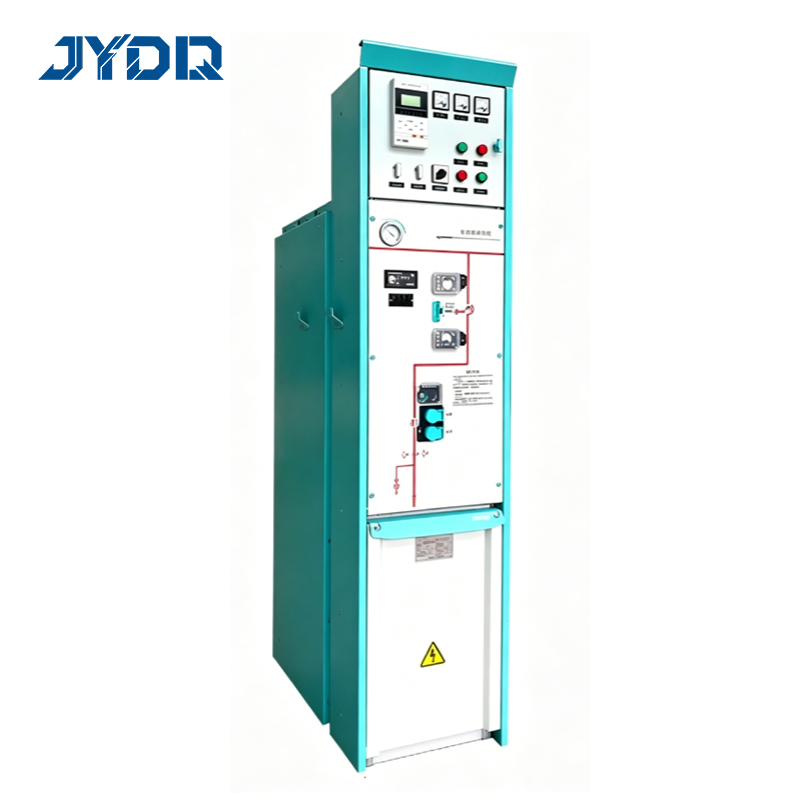
The fundamental mistake in price comparison is treating all switchgear offerings as interchangeable commodities. Different manufacturers and suppliers build equipment to different standards, with varying levels of functionality, safety features, automation capability, and durability under local operating conditions. A lower switchgear price from one vendor may reflect reduced insulation quality, simpler protection systems, or limited integration capabilities that become expensive liabilities after installation. Effective comparison requires understanding what technical scope each quotation actually includes and excludes.
Understanding Technical Scope in Switchgear Quotations
What Technical Scope Defines
Technical scope encompasses the complete electrical and mechanical specifications, compliance standards, safety features, and operational capabilities included in a switchgear system. When you receive a quotation, the technical scope describes voltage rating, current capacity, protection relay types, automation control options, insulation medium, switchgear enclosure design, grounding systems, and auxiliary components. Many procurement teams compare switchgear price quotes line-by-line without verifying that each quotation actually specifies the same technical scope, leading to false comparisons and subsequent incompatibilities when equipment arrives.
The technical scope also defines compliance with regional electrical codes, environmental regulations, and industry standards like IEC 62271 or IEEE C37. A switchgear quotation that appears cheaper may exclude compliance verification, third-party testing, or documentation required by your local utility or installation authority. Understanding these embedded technical requirements prevents costly delays and rework after purchase decisions are finalized.
Key Technical Parameters to Standardize
Before comparing switchgear price figures, standardize the technical specifications across all quotations. This means confirming that each vendor includes identical voltage classes, current ratings, short-circuit withstand capacity, and protection schemes. Specify whether you need gas-insulated switchgear, oil-insulated options, or vacuum-break designs, as these significantly affect pricing and operational characteristics. Define the required switching speed, control automation features, and remote monitoring capabilities, then ensure every quotation explicitly covers these requirements in its technical scope.
Documentation standards matter equally in your technical scope requirements. Specify that all quotations must include full single-line diagrams, protection philosophy documentation, control system specifications, and compliance certifications relevant to your region. This standardization prevents vendors from quoting switchgear at lower prices by omitting critical documentation or technical support that you ultimately need to complete your project.
Building a Comparative Framework for Price and Specifications
Creating a Standardized Evaluation Matrix
An effective switchgear price comparison begins with a detailed evaluation matrix that lists all technical requirements in the first column, then shows how each quotation addresses those requirements. For each technical parameter, document the specific value or feature offered, then note the corresponding switchgear price and cost per unit of capacity or functionality. This approach transforms abstract price comparisons into tangible cost-per-feature analysis that reveals true value differences rather than surface-level pricing gaps.
Your evaluation matrix should include rows for each major technical component: primary switchgear equipment, protection relays, control systems, testing and commissioning, training, warranty terms, and post-sale support. Assign relative importance weights to each category based on your project's operational priorities. A utility managing complex grid interactions may weight automation and remote monitoring heavily, while a simpler industrial facility may prioritize basic protection and cost efficiency. These weights help convert raw switchgear price figures into weighted comparisons that reflect your actual business needs.
Identifying Hidden Costs Beyond Unit Price
Switchgear price quotations often hide significant costs in their technical scope exclusions. A quotation may list attractive per-unit pricing but exclude shipping, installation supervision, on-site commissioning, integration with existing control systems, or staff training programs. When you examine the full technical scope required to make equipment operational, the initial switchgear price savings evaporate. Request that all quotations break down pricing into clearly labeled categories: equipment cost, transportation, installation and commissioning, system integration, documentation, training, and first-year warranty coverage.
Some vendors present switchgear at lower prices by offering minimal warranty terms, delayed technical support response times, or limited access to spare parts. These hidden costs accumulate during the equipment's operational life, especially if protection failures or unplanned maintenance events occur. Compare total cost of ownership rather than purchase price alone, accounting for maintenance requirements, expected failure rates, spare parts availability, and technical support response guarantees specified in each quotation's technical scope.
Managing Risk When Price and Technical Scope Diverge
Recognizing Technical Scope Red Flags
When a switchgear price appears significantly lower than competitor quotations, investigate the technical scope carefully to identify what has been reduced or eliminated. Red flags include vague specifications that avoid committing to exact technical parameters, exclusions of standard compliance testing, unspecified protection relay models, missing documentation commitments, or minimal warranty coverage. A vendor quoting switchgear at 30 percent below market prices for identical apparent specifications should trigger detailed technical review because market-rate pricing reflects genuine costs of quality manufacturing, compliance verification, and support capabilities.
Another critical red flag appears when quotations list identical switchgear price per unit but describe different technical scope, suggesting one vendor is overstating capabilities or the other is understating them. Verify each vendor's claimed specifications through independent review of published product datasheets and performance testing results. Request copies of recent third-party test reports and compliance certifications to confirm that the technical scope actually reflects what the vendor describes in their quotation.
Negotiating Within Technical Boundaries
Once you have established that multiple quotations meet your essential technical scope requirements, you can confidently negotiate switchgear price reductions without compromising functionality. Target negotiations around non-critical features that may be included in multiple quotations, extended warranty periods beyond your minimum requirement, or premium support options that represent cost additions rather than core technical scope. Ask vendors to prioritize which technical components within their quotation have the most pricing flexibility if you need to adjust the budget.
Never allow price negotiations to erode the technical scope that defines your project's success. If a vendor refuses to hold their switchgear price while maintaining the agreed technical scope, that boundary indicates where their business model depends on cutting corners. Conversely, vendors who confidently defend their pricing while protecting technical scope integrity demonstrate confidence in their manufacturing quality and support capabilities, making them preferable long-term partners despite potentially higher initial cost.
FAQ
Why does switchgear price comparison often lead to purchasing mistakes?
Most price comparisons fail because they treat switchgear as a commodity rather than a systems component with technical scope implications. Buyers focus on the lowest switchgear price without verifying that all quotations include identical technical parameters, compliance standards, documentation, and support commitments. This creates situations where cheaper equipment turns out to be incompatible with existing systems, lacks required compliance certifications, or demands expensive additional components to achieve the intended functionality.
What technical scope elements are most commonly excluded from low-price quotations?
Low-price switchgear quotations frequently exclude third-party testing and compliance verification, complete technical documentation and integration support, comprehensive warranty coverage and spare parts commitment, staff training and commissioning supervision, and remote monitoring integration capabilities. These exclusions allow vendors to present attractive switchgear price figures while shifting actual system completion costs to the buyer. Always request explicit inclusion of these items in quotations to ensure true apples-to-apples price comparison and accurate total cost assessment.
How should I evaluate switchgear price differences between competing quotations?
Create a detailed technical scope matrix listing all required specifications, then verify that each quotation addresses identical technical requirements. Calculate switchgear price per unit of capacity or functionality rather than relying on absolute unit cost. Document what each quotation includes and excludes, then calculate total cost of ownership including installation, commissioning, training, warranty terms, and expected maintenance. Price differences greater than 15 percent should trigger investigation into what technical scope or support elements differ between quotations to justify the variance.

 EN