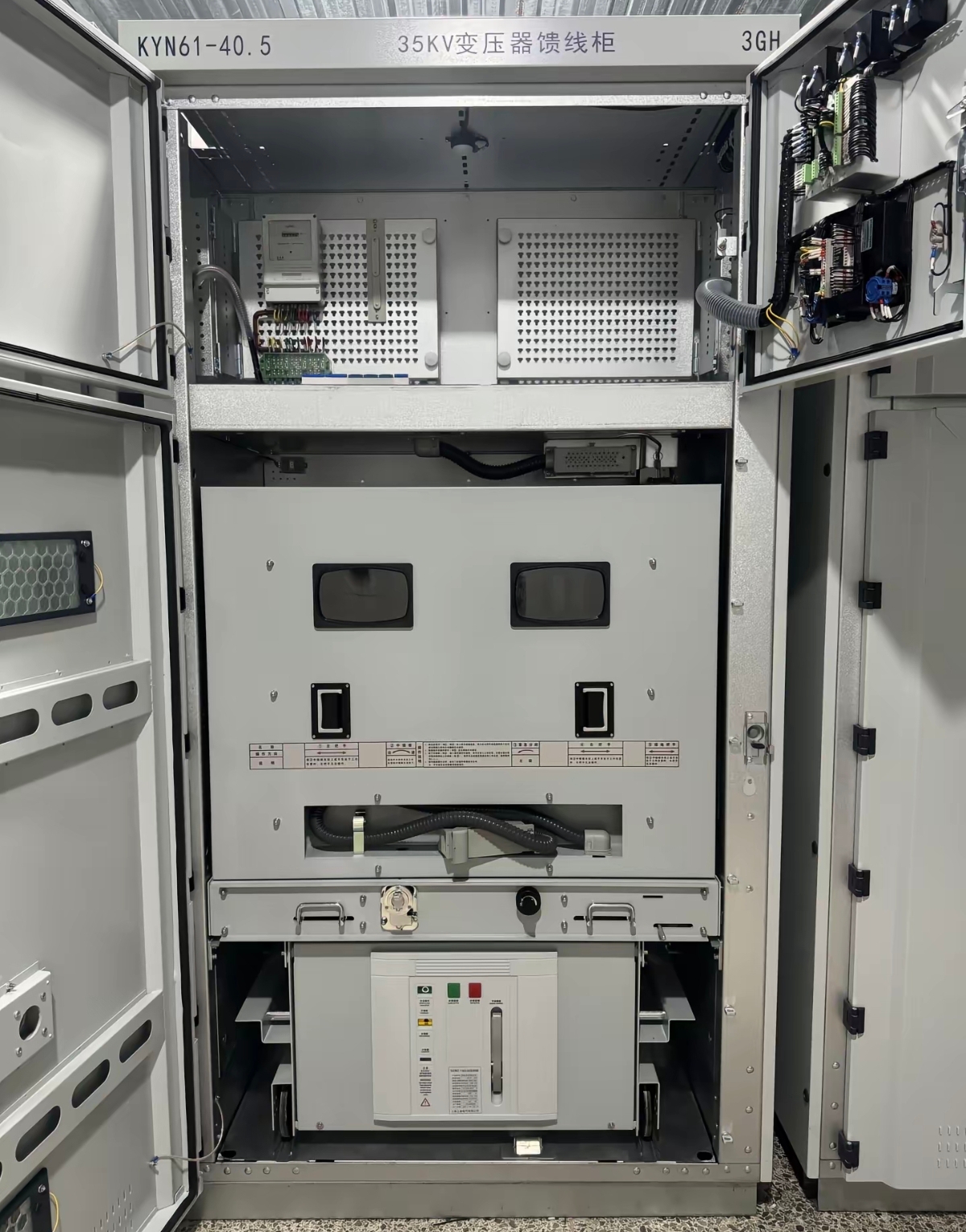
Planning maintenance access for a prefabricated box-type transformer substation is a critical aspect of electrical infrastructure design that directly impacts operational efficiency, worker safety, and long-term asset reliability. A prefabricated box-type transformer arrives as an integrated unit, requiring careful site layout and access planning to ensure technicians can perform inspections, repairs, and routine maintenance without compromising safety or causing unnecessary downtime. Proper maintenance access planning prevents costly operational delays and reduces the risk of accidents in potentially hazardous electrical environments.
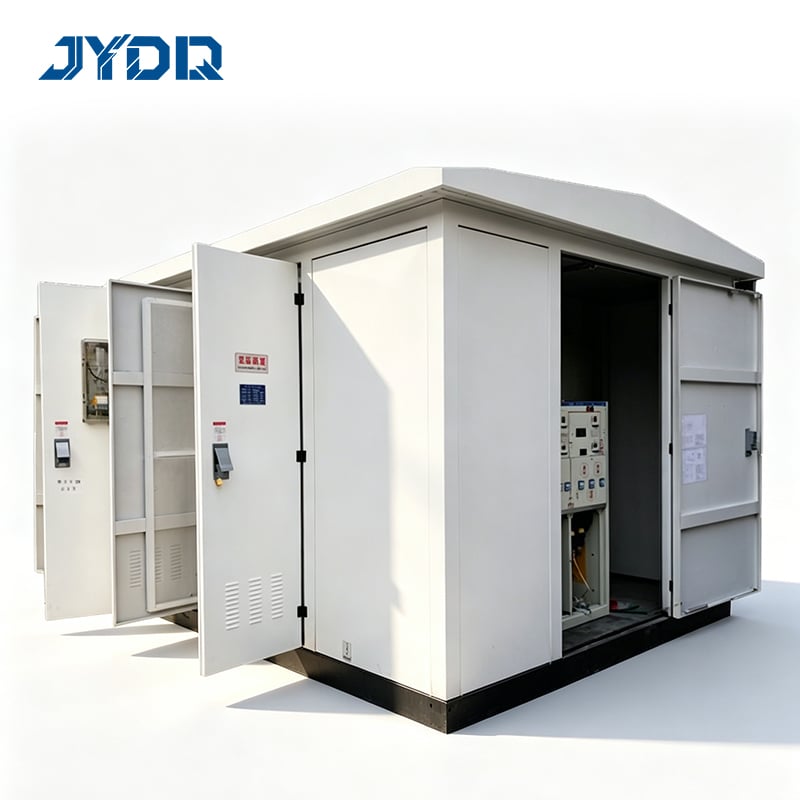
The design and deployment of a prefabricated box-type transformer requires a systematic approach to maintenance access that balances spatial constraints, regulatory compliance, and practical work requirements. Unlike traditional field-assembled substations, prefabricated units offer standardized dimensions and predictable service points, but their compact design demands deliberate planning to create usable maintenance corridors and safe working zones. Understanding the key principles of maintenance access layout ensures your substation can support both routine servicing and emergency repairs throughout its operational life.
Understanding Maintenance Access Requirements
Space and Clearance Standards
Maintenance access for a prefabricated box-type transformer depends on establishing adequate clearance around the unit. Electrical codes and industry standards specify minimum working distances that allow technicians to safely approach control panels, transformer terminals, and cooling systems. These clearances typically range from 3 to 5 feet on primary service sides, depending on voltage ratings and equipment configuration. Planning must account for both routine inspection access and emergency evacuation routes, ensuring workers have sufficient space to move equipment, tools, and themselves without obstruction or risk of contact with energized components.
Accessibility to Key Service Points
A well-designed layout provides unobstructed access to all critical maintenance points on the prefabricated box-type transformer. These include oil sampling ports, cooling fan components, high-voltage bushing compartments, and control and monitoring systems. Your maintenance access plan should document the exact location of each service point and verify that technicians can reach them without removing other equipment or creating unsafe conditions. Restricted or poorly accessible service points increase maintenance time, elevate labor costs, and create scheduling conflicts during planned outages.
Designing the Physical Layout for Optimal Access
Positioning the Unit Within Site Constraints
Effective layout planning for maintenance access begins with positioning your prefabricated box-type transformer to maximize clearance on high-traffic service sides. Most units are accessed from one or two primary directions; layout should orient the transformer so that control panels, inspection doors, and ventilation systems face these accessible zones. Obstacles such as walls, other equipment, or permanent structures should not block these primary access routes. When site constraints limit positioning flexibility, alternative solutions include elevated platforms, removable barriers, or specially designed access stairs that maintain safety while accommodating the confined space.
Creating Maintenance Corridors and Work Zones
Maintenance corridors represent dedicated pathways that remain clear during normal operation and remain available for equipment movement during servicing. Your layout should designate a primary corridor on the side where most maintenance work occurs, typically near the transformer oil cooler and control cabinet. A secondary corridor should provide emergency access and backup service routes. These corridors must accommodate not only technicians but also mobile equipment such as oil sampling carts, diagnostic instruments, and replacement component delivery. Clear marking, appropriate flooring, and drainage planning within these zones prevent trips, spills, and contamination during maintenance activities.
Safety Planning and Operational Considerations
Electrical Safety and De-Energization Procedures
Maintenance access planning must integrate electrical safety protocols to protect workers during servicing of the prefabricated box-type transformer. The layout should position lockout/tagout (LOTO) points in accessible locations where maintenance personnel can safely de-energize the unit before beginning work. Access routes must not cross active electrical zones or create situations where workers must approach energized equipment to reach maintenance corridors. Clear sight lines from the LOTO station to all work areas allow supervisors to verify that de-energization is complete before maintenance begins. Your safety planning should also identify potential arc flash zones and ensure that maintenance access keeps workers outside these hazardous boundaries.
Environmental and Containment Planning
Maintenance access for a prefabricated box-type transformer must accommodate environmental protection and fluid containment during servicing. Oil sampling, cooler cleaning, and component replacement often involve handling dielectric oil or other fluids that require containment and proper disposal. Layout planning should position absorbent materials, spill kits, and collection equipment near work zones where they remain accessible without cluttering maintenance corridors. Drainage systems and secondary containment structures must be integrated into the site plan so that accidental spills do not compromise surrounding areas or create slipping hazards for maintenance personnel.
FAQ
What is the minimum clearance required around a prefabricated box-type transformer?
Minimum clearance around a prefabricated box-type transformer typically ranges from 3 to 5 feet on primary service sides, as specified by electrical codes such as NFPA 70 and IEEE standards. The exact requirement depends on voltage rating, cooling system design, and the specific configuration of your prefabricated box-type transformer model. Your equipment documentation and local electrical inspectors will confirm clearance requirements for your installation.
How should maintenance access layout accommodate emergency repairs?
Maintenance access planning should include secondary routes that remain clear for emergency situations, allowing rapid access to the prefabricated box-type transformer without moving obstacles or other equipment. These backup corridors must support the movement of replacement components, diagnostic tools, and emergency personnel. Layout designation and regular inspections ensure that emergency access routes never become blocked by temporary storage or other impediments.
Can a prefabricated box-type transformer be installed in confined spaces?
Some prefabricated box-type transformer models are designed for compact installations, but maintenance access requirements still apply even in confined spaces. Solutions include elevated platforms, removable barriers, or staged access procedures that allow technicians to work in phases. Consult with equipment manufacturers to verify that confined space installations comply with all maintenance access standards and safety regulations before proceeding.

 EN