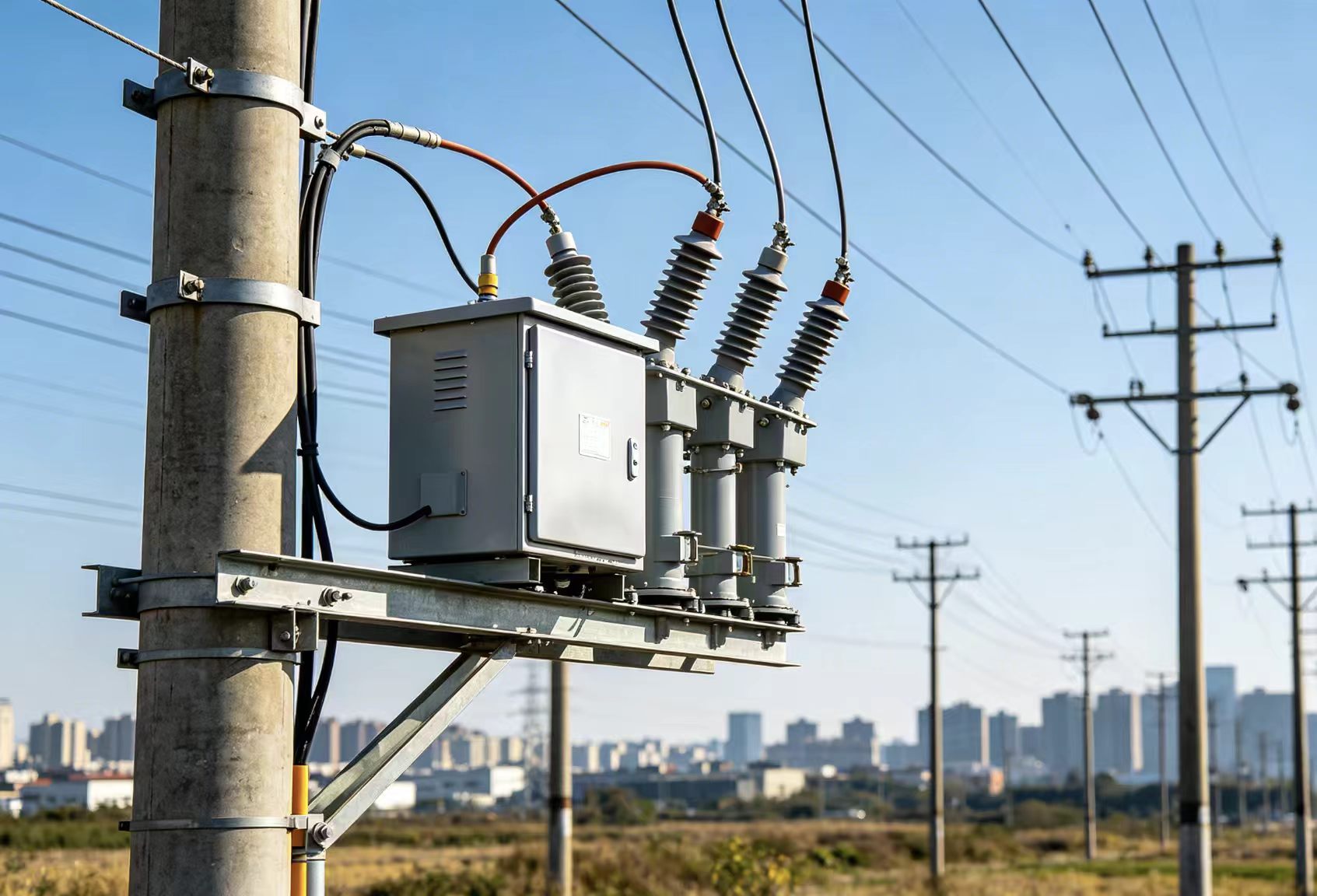
Selecting and operating a dry-type transformer requires careful attention to the surrounding environment. Unlike oil-immersed transformers, dry-type transformer units rely on air cooling and have specific environmental tolerances that directly impact their efficiency, lifespan, and safety performance. Understanding these environmental conditions is essential for facilities managers, electrical engineers, and industrial operators who need to ensure optimal transformer performance and prevent costly failures or downtime.
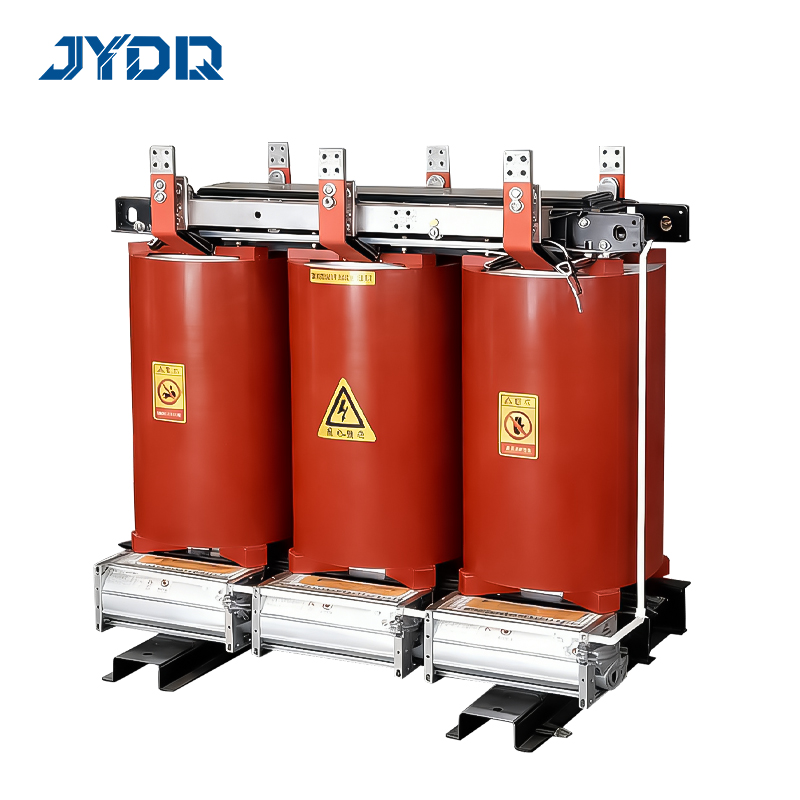
The operating environment plays a crucial role in determining how well your dry-type transformer performs under real-world conditions. Temperature fluctuations, moisture levels, contaminants, and air quality all influence the transformer's thermal management, electrical insulation integrity, and overall operational reliability. By proactively assessing and controlling these environmental factors, you can extend equipment life, maintain compliance with safety standards, and reduce the risk of unexpected outages.
Temperature and Thermal Management
Ambient Temperature Range and Load Capacity
A dry-type transformer operates most efficiently within a defined ambient temperature range, typically between 0°C and 40°C under standard conditions. When the operating environment exceeds this range, the transformer's thermal load increases, forcing the cooling system to work harder and reducing its capacity to handle electrical loads. High ambient temperatures reduce the transformer's ability to dissipate heat through air circulation, while extremely low temperatures can affect the insulation material properties and increase the risk of condensation.
The transformer's rated capacity assumes a 40°C ambient maximum. For every degree Celsius above this threshold, the transformer's carrying capacity decreases proportionally. In hot industrial facilities or outdoor installations exposed to direct sunlight, operators must either derate the transformer, improve ventilation around the operating environment, or install additional cooling measures. Conversely, in cold climates, frost and ice accumulation on cooling fins can restrict air movement and compromise thermal performance.
Thermal Cycling and Stress Management
Rapid temperature fluctuations within the operating environment create mechanical and electrical stress on the transformer's insulation system. Thermal cycling causes the windings, core, and structural components to expand and contract repeatedly, accelerating aging of the dielectric materials. This mechanical fatigue can lead to insulation cracking, reduced breakdown voltage, and potential short-circuit failures. Engineers should monitor the operating environment's seasonal and daily temperature variations and implement thermal buffering strategies where possible, such as installing the transformer in climate-controlled rooms or adding thermal insulation to the equipment enclosure.
Dust, Humidity, and Contaminant Control
Dust Accumulation and Its Effects
Dust is one of the most pervasive threats to dry-type transformer performance in industrial and outdoor settings. Dust particles accumulate on the cooling fins, air intake vents, and winding surfaces, forming an insulating blanket that impedes heat dissipation. Over time, this dust layer increases the transformer's operating temperature by restricting airflow through the operating environment, reducing cooling efficiency by up to 30% or more. Fine dust also conducts electricity when moisture is present, increasing the risk of surface leakage currents and tracking on the insulation.
The severity of dust problems depends on the installation location within your operating environment. Facilities near construction sites, cement plants, textile mills, or roads experience higher dust loading. Mining operations and metal fabrication shops generate conductive dust that poses additional safety hazards. To mitigate dust issues, install air filters on ventilation openings, schedule regular cleaning of cooling surfaces, and consider enclosures with dust-rated air intake designs. Regular maintenance inspections every three to six months help identify dust accumulation before it degrades performance significantly.
Humidity, Moisture Ingress, and Condensation
High humidity in the operating environment accelerates insulation degradation and promotes moisture absorption into the dielectric materials. The transformer's solid insulation and pressboard components are hygroscopic, meaning they absorb moisture from humid air. This moisture reduces the dielectric breakdown strength of the insulation, lowers the electrical resistance between windings and ground, and increases the risk of partial discharge and arc formation. Additionally, high humidity combined with temperature swings creates conditions for condensation to form on internal surfaces, particularly during thermal cycling.
Dry-type transformers are generally rated for indoor installation in normal humidity conditions, typically below 95% relative humidity without condensation. When installation sites exceed this humidity threshold, moisture ingress becomes a critical concern. Outdoor installations or locations near cooling towers, water treatment facilities, or coastal environments require enhanced moisture protection. Implementing desiccant breathers, installing humidity-controlled enclosures, or applying hydrophobic coatings to exposed insulation surfaces can significantly reduce moisture-related failures. Monitoring dew point and ambient moisture levels helps operators stay within acceptable operating environment parameters.
Chemical Corrosion and Pollutant Exposure
Industrial operating environments often contain corrosive gases, salt spray, or chemical fumes that attack the transformer's windings, core laminations, and external components. Sulfur dioxide, hydrogen sulfide, ammonia, and chlorine gas corrode copper and aluminum conductors, reducing electrical conductivity and increasing resistance. Salt air near coastal installations accelerates corrosion on external hardware and cooling fins. Chemical plants and refinery locations expose transformers to organic solvents and vapors that can dissolve varnish coatings and degrade insulation quality. These pollutants combine with humidity to form conductive films that promote electrical tracking and insulation breakdown.
Installation Location and Environmental Design
Indoor versus Outdoor Placement Strategy
Choosing between indoor and outdoor installation directly impacts how intensively you must manage the operating environment. Indoor installations in climate-controlled rooms offer superior environmental control, protecting the dry-type transformer from temperature extremes, dust, humidity fluctuations, and chemical pollutants. The transformer benefits from stable conditions, reduced maintenance requirements, and longer equipment life. However, indoor placement requires dedicated space, potentially limits accessibility for maintenance, and demands proper ventilation design to remove transformer heat from the facility.
Outdoor installations require substantial environmental protection design. The transformer must be housed in an IP-rated enclosure that provides appropriate ingress protection based on local climate and location hazards. Roof-mounted or ground-mounted installations need weather seals, drainage provisions, and corrosion-resistant materials throughout the operating environment around the unit. Outdoor placement simplifies space requirements in congested facilities but demands more rigorous maintenance, more frequent filter changes, and continuous monitoring of environmental degradation. Operators must weigh these trade-offs against facility constraints and long-term maintenance budgets.
Ventilation and Air Quality Management
Proper ventilation design is fundamental to maintaining an acceptable operating environment for any dry-type transformer. The transformer requires unrestricted air circulation around cooling fins and air intake points to function within rated thermal parameters. Blocked or inadequate ventilation creates hot spots, reduces cooling efficiency, and accelerates insulation aging. Air must flow freely around the transformer frame, never be recirculated from hot exhaust areas, and be filtered to remove dust and contaminants before entering the cooling system.
Installing the dry-type transformer in a dedicated transformer room with controlled ventilation provides superior environmental management. Dedicated rooms allow installation of intake filters, exhaust dampers, and climate control systems that maintain stable temperature and humidity within the operating environment. Forced-air ventilation systems, when properly designed, can cool transformers rated at higher capacities than passive air cooling permits. In industrial settings, positioning the transformer away from high-temperature equipment sources and ensuring clear separation from dust-generating processes further optimizes the local operating environment and transformer reliability.
FAQ
What is the ideal temperature range for dry-type transformer operation?
The ideal operating environment for a dry-type transformer typically ranges from 0°C to 40°C ambient temperature. Most transformers are designed with a 40°C reference, and their capacity is reduced for every degree above this threshold. Installations in hotter climates or indoor spaces with significant heat sources require derating calculations or enhanced cooling solutions to maintain performance within safe operating limits. Extremely cold environments below 0°C may require special considerations for condensation prevention and insulation properties.
How does dust affect dry-type transformer performance and lifespan?
Dust accumulation on cooling fins and air intake vents restricts airflow and reduces the transformer's ability to dissipate heat, effectively raising operating temperature and reducing its current-carrying capacity. Dust layers can decrease cooling efficiency by 30% or more, forcing the transformer to operate closer to thermal limits and accelerating insulation aging. When combined with moisture, dust becomes conductive and may initiate surface leakage currents and tracking. Regular cleaning, air filtration, and periodic maintenance inspections help prevent dust-related degradation and extend the transformer's service life.
Why is humidity control critical for dry-type transformers in industrial settings?
High humidity in the operating environment causes the transformer's solid insulation and pressboard materials to absorb moisture, reducing dielectric strength and electrical resistance between windings. Moisture ingress weakens insulation integrity, increases partial discharge risk, and accelerates aging of dielectric materials. High humidity combined with temperature fluctuations promotes condensation on internal surfaces, further degrading insulation performance. In humid or coastal environments, installing desiccant breathers, humidity-controlled enclosures, or protective coatings helps maintain insulation properties and prevents moisture-related failures that could cause unexpected downtime.

 EN