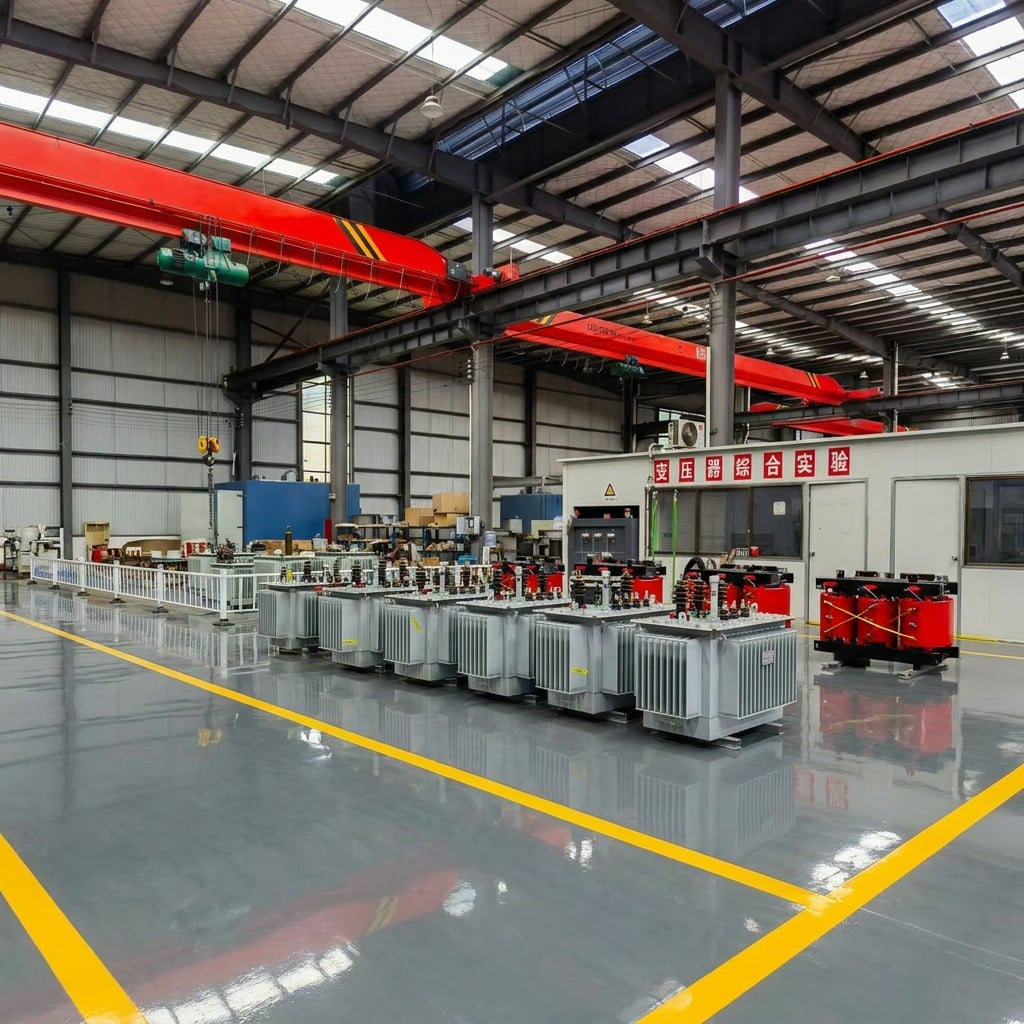
Understanding the distinction between a power transformer and a distribution transformer is essential for anyone working in electrical engineering, utilities, or industrial operations. While both serve critical roles in electrical systems, these two types of transformers operate at different voltage levels, serve different purposes, and are designed with distinct specifications. A power transformer typically handles high voltage transmission across long distances, whereas a distribution transformer steps down voltage for local delivery to end users. This fundamental difference shapes their design, efficiency requirements, application contexts, and maintenance protocols.
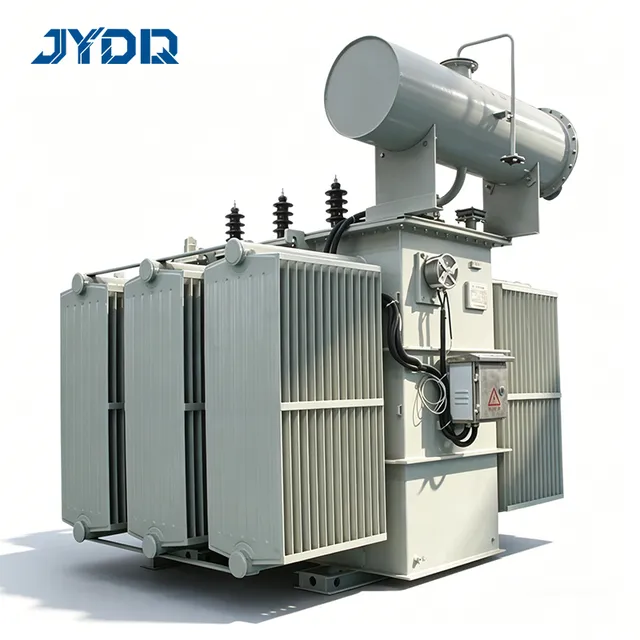
The comparison between power transformer and distribution transformer extends beyond simple voltage ratings. Each type is engineered for specific operational demands, from cooling methods and load capacities to reliability standards and cost considerations. Knowing which transformer fits your application prevents costly mistakes, ensures system reliability, and optimizes energy efficiency across your electrical network.
Voltage Levels and Operating Specifications
Power Transformer Voltage Characteristics
A power transformer operates at very high voltages, typically ranging from 115 kV to 765 kV or higher in transmission networks. These high-voltage power transformer units are designed to handle massive amounts of electrical energy across regional and national transmission grids. The primary winding of a power transformer connects to transmission lines, while the secondary winding may connect to sub-transmission networks or step down to lower voltages for regional distribution. Because power transformers manage such enormous power flows over extended distances, they must maintain exceptional efficiency and precise voltage regulation to minimize losses during transmission.
Distribution Transformer Voltage Characteristics
A distribution transformer operates at lower voltages, typically stepping down from 4 kV to 35 kV on the primary side to 120 V to 480 V on the secondary side for consumer use. Distribution transformers serve local neighborhoods, industrial facilities, and commercial zones rather than regional networks. The distribution transformer comparison shows that these units are much smaller, lighter, and more numerous than their transmission counterparts. Many utilities deploy thousands of distribution transformers across service territories, with each one serving a specific geographic zone or customer cluster.
Design, Cooling, and Physical Characteristics
Power Transformer Construction and Cooling
Power transformers are built with robust construction to withstand the thermal and electrical stresses of continuous high-voltage operation. Most large power transformer units employ oil-immersed cooling systems, where mineral oil circulates through cooling radiators to dissipate heat generated by core losses and copper losses. Some advanced power transformer designs use forced-air or forced-oil cooling with fans and pumps to enhance heat removal for higher capacity ratings. These cooling systems are essential because power transformers continuously handle gigawatts of energy, generating substantial internal heat that must be managed to prevent insulation degradation and equipment failure.
Distribution Transformer Design Efficiency
Distribution transformers typically use simpler, more economical cooling approaches compared to power transformers. Many distribution transformer units employ natural oil immersion with passive cooling through radiator surfaces, requiring no mechanical fans or pumps. Smaller distribution transformer models may even use dry-type construction with resin or epoxy insulation for indoor installations where oil cooling is impractical or undesirable. The distribution transformer design prioritizes cost-effectiveness and reliability for moderate power levels, allowing manufacturers to produce these units in high volumes at competitive prices for widespread utility deployment.
Operational Purpose and Application Context
Power Transformer Role in Transmission Networks
The primary purpose of a power transformer is to facilitate long-distance transmission of electrical energy from generation stations to regional load centers. A power transformer steps up voltage at generation facilities to minimize transmission losses during long-distance transport, then other power transformer units step down voltage at receiving substations for sub-transmission. This voltage transformation is mathematically elegant: as voltage increases, current decreases proportionally, and since transmission losses depend on current squared, higher transmission voltages dramatically reduce energy waste. Power transformer efficiency directly impacts the economic viability of electrical transmission systems, making precision engineering and premium materials standard practice in power transformer manufacturing.
Distribution Transformer Role in Local Delivery
Distribution transformers complete the final step in the electrical delivery chain by converting sub-transmission voltages to consumer-friendly voltages suitable for homes, businesses, and light industrial users. A distribution transformer mounted on utility poles or in pad-mounted enclosures serves neighborhoods with reliable, stable power at the correct voltage level. The distribution transformer must maintain voltage within acceptable ranges despite fluctuating customer loads, power factor variations, and weather-related stresses. While individual distribution transformer failures cause local outages rather than cascading grid failures, the aggregate reliability of thousands of distribution transformers directly determines overall system reliability for end customers.
Efficiency Requirements and Load Characteristics
Power Transformer Efficiency Standards
Because power transformers handle enormous power flows across transmission networks, even fractional efficiency improvements translate to millions of dollars in annual energy savings. Utilities and standards organizations hold power transformers to exceptionally high efficiency standards, typically 99.5 percent or higher. Advanced power transformer designs use silicon steel core laminations, low-loss copper conductors, and optimized cooling to minimize losses. The initial capital cost of a power transformer is substantial, but over its thirty-year operational life, the investment in premium efficiency technologies pays dividends through reduced transmission losses and lower operating costs. Power transformer manufacturers invest heavily in research and development to achieve these high-efficiency standards.
Distribution Transformer Load Variability
Distribution transformers face highly variable load patterns as customer demand fluctuates throughout the day and across seasons. A distribution transformer may operate at 20 percent load capacity during night hours and spike to 80 percent capacity during peak afternoon demand. This variability requires distribution transformers to maintain stable performance across a wide load range without overheating or voltage instability. Distribution transformer efficiency standards are typically 97 to 99 percent, somewhat lower than power transformers, reflecting the cost-benefit tradeoff between premium efficiency and affordable deployment of numerous units across utility networks. Utilities carefully size distribution transformers to match typical load patterns in their service territories, balancing efficiency against initial purchase costs and space constraints.
FAQ
What is the main difference between a power transformer and a distribution transformer?
The primary difference lies in voltage level and application purpose. A power transformer operates at very high transmission voltages, typically 115 kV to 765 kV, to transport energy over long distances with minimal losses. A distribution transformer operates at lower voltages, typically 4 kV to 35 kV primary, stepping down to consumer voltages for local delivery. Power transformers serve regional transmission networks, while distribution transformers serve neighborhoods and local areas, each designed with cooling systems and specifications optimized for their specific operational role.
Why do power transformers use oil cooling while many distribution transformers use simpler methods?
Power transformers handle gigantic power flows that generate substantial internal heat, requiring efficient heat removal through oil circulation with radiators and sometimes forced cooling fans. The higher capital cost of sophisticated cooling systems is justified by the enormous energy volumes handled and the consequences of failure across transmission networks. Distribution transformers typically operate at lower power levels with more manageable heat generation, making simpler passive oil cooling or even dry-type construction economically practical. The cost difference reflects the different duty cycles and consequences of equipment failure in each application context.
Can a distribution transformer be used in place of a power transformer?
No, a distribution transformer cannot safely replace a power transformer due to fundamental design differences. A distribution transformer is rated for lower voltages and power levels and lacks the robust construction, advanced cooling systems, and voltage regulation capabilities required for transmission service. Attempting to operate a distribution transformer at power transformer voltage levels would cause immediate insulation failure and equipment destruction. Similarly, using an oversized power transformer for distribution service wastes capital and energy. Each transformer type must be matched to its intended application through proper engineering analysis and specification selection.

 EN