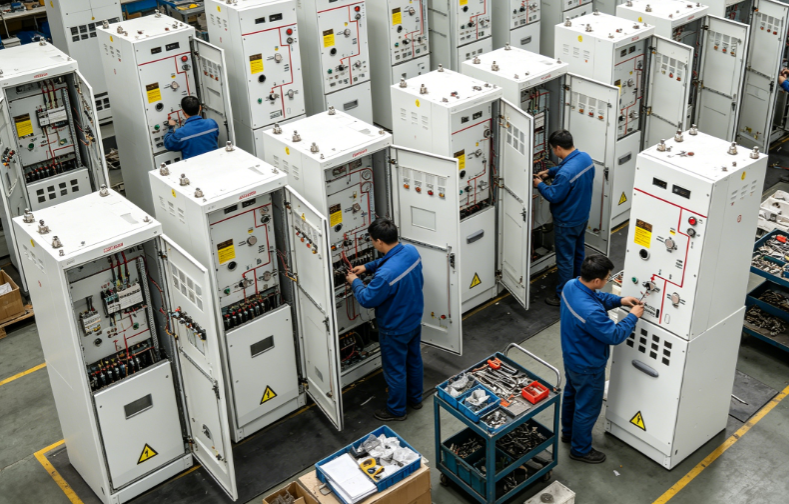
Insulation conditions represent a fundamental design and operational consideration for air insulated switchgear ais installations. The performance, reliability, and safety of these HV equipment systems depend directly on maintaining proper insulation characteristics within the switchgear enclosure. Whether you are designing a new substation, upgrading existing infrastructure, or specifying equipment for critical power distribution, understanding which insulation conditions matter most is essential to ensure equipment longevity and operational safety.
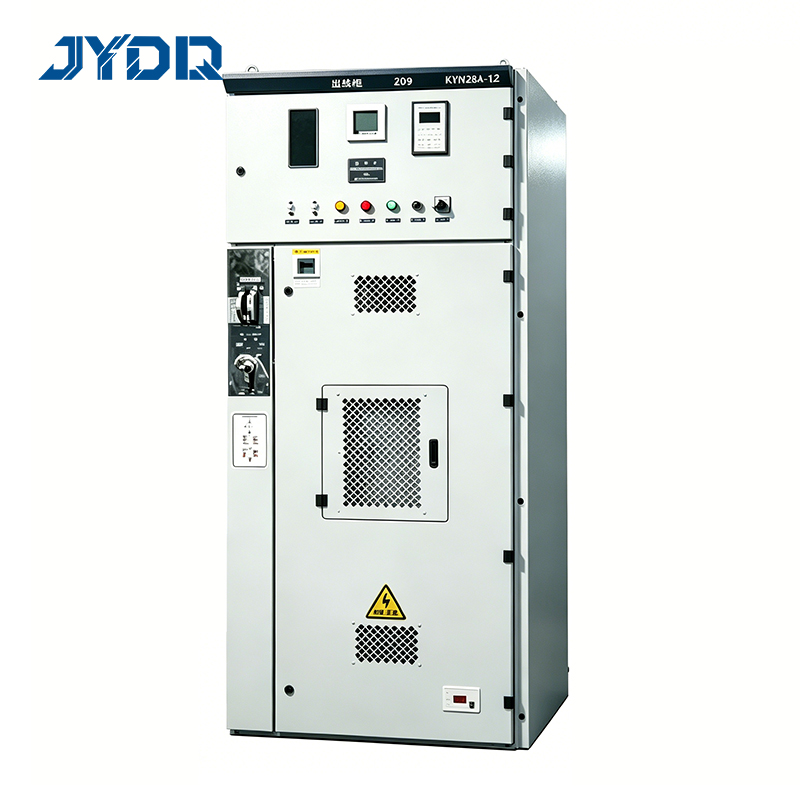
Air insulation serves as the primary dielectric medium in switchgear compartments, requiring careful control of environmental and geometric factors. The effectiveness of air insulation in HV equipment depends on multiple interrelated variables including atmospheric pressure, humidity levels, temperature stability, and contamination exposure. Recognizing these critical parameters allows maintenance teams and engineers to prevent dielectric breakdown, maintain clearance integrity, and optimize the operational envelope of air insulated switchgear ais systems across various industrial applications.
Atmospheric Pressure and Altitude Effects
Impact of Operating Altitude on Air Insulation
Atmospheric pressure directly influences the dielectric strength of air insulation within switchgear enclosures. As altitude increases, air density decreases, reducing the number of gas molecules available to ionize and form breakdown paths. For HV equipment operating at high altitudes, the air insulation capability diminishes significantly compared to sea-level performance. Standard clearance specifications developed for nominal atmospheric conditions must be derated when equipment operates above 1000 meters elevation. Engineers must adjust design parameters and monitor clearance distances more carefully to ensure consistent performance of air insulated switchgear ais across different geographic locations.
Pressure Compensation Strategies
Operators of air insulated switchgear ais in mountainous or high-altitude regions often implement pressure compensation through ventilation system design or equipment derating protocols. By maintaining slightly elevated internal pressure within switchgear compartments, designers can preserve the dielectric properties of air insulation even in challenging environments. Some modern HV equipment incorporates pressure monitoring systems that alert maintenance staff when atmospheric conditions approach limits where clearance safety margins become insufficient. Understanding this altitude-pressure relationship ensures that air insulation performance remains consistent regardless of installation location or seasonal pressure variations.
Humidity and Moisture Control Mechanisms
Moisture Ingress and Insulation Degradation
Humidity represents one of the most critical environmental factors affecting air insulation quality in switchgear systems. When moisture condenses on internal surfaces or combines with dust particles, it creates conductive pathways that accelerate dielectric breakdown under high voltage stress. Relative humidity above 60 percent significantly compromises the air insulation effectiveness and reduces the safe operating clearance margin in HV equipment. Extended exposure to damp conditions accelerates corrosion of metallic components and promotes tracking phenomena along insulating surfaces, necessitating rigorous moisture prevention strategies in air insulated switchgear ais designs. Protective enclosure designs, ventilation systems, and desiccant modules help maintain optimal humidity levels within acceptable ranges.
Environmental Monitoring and Control Systems
Modern air insulated switchgear ais installations incorporate humidity sensors and environmental control systems that maintain moisture levels below critical thresholds. These monitoring systems track dew point, ambient humidity, and internal compartment conditions in real time, triggering dehumidification or ventilation responses when thresholds are approached. Predictive maintenance programs use this data to schedule equipment inspections before moisture-related degradation becomes significant. By implementing comprehensive environmental control for air insulation, operators extend equipment life, maintain safe clearance distances, and reduce the risk of unexpected failures in HV equipment during peak demand periods.
Contamination Management and Clearance Integrity
Particulate Contamination Effects on Air Insulation
Dust, metallic particles, and other contaminants that accumulate inside switchgear compartments create conducting bridges that compromise air insulation performance and reduce effective clearance between high voltage conductors. These contaminants settle on insulators, collect along creepage paths, and become embedded in moisture films, creating multiple mechanisms for electrical failure. The risk escalates dramatically in industrial environments with significant airborne particulate loads, coastal regions with salt spray exposure, or installations near cement factories and mining operations. Effective air insulated switchgear ais design incorporates sealed compartments, filtered ventilation, and regular cleaning protocols to prevent contamination buildup that would otherwise degrade air insulation quality and violate clearance safety margins in HV equipment.
Maintenance Protocols for Clearance Preservation
Scheduled maintenance programs for air insulated switchgear ais must include routine inspection and cleaning to maintain the integrity of air insulation and clearance distances specified in design standards. Technicians verify that no extraneous conductive objects, accumulated dust, or corrosion products are present that would reduce effective clearance or provide conductive paths across insulators. Thermographic surveys identify hot spots indicating developing contamination problems or deteriorating air insulation conditions. By maintaining systematic cleanliness standards and documented clearance verification procedures, operators ensure that HV equipment continues performing within design specifications throughout its operational life. This proactive approach to contamination management protects air insulation reliability and prevents costly outages or safety incidents.
Temperature Stability and Thermal Management
Temperature Effects on Dielectric Strength
Temperature variations affect the molecular behavior of air and consequently its dielectric strength, making thermal management an important consideration for air insulation performance in switchgear systems. As temperature increases, gas molecules move more rapidly and become more prone to ionization under applied voltage, reducing the effective breakdown strength of air insulation. Conversely, extremely low temperatures can cause condensation when the enclosure experiences temperature cycling, introducing moisture that degrades air insulation quality. HV equipment operating in climates with significant daily or seasonal temperature swings requires thermal insulation, ventilation optimization, or heating elements to maintain stable internal conditions that preserve the air insulation performance and clearance safety margins in air insulated switchgear ais installations.
Load-Induced Temperature Rise Management
Switchgear carrying full operational loads generates internal heat that must be dissipated effectively to prevent excessive temperature rise that would degrade air insulation effectiveness. Poorly designed or blocked ventilation systems cause thermal stratification and localized hot spots where air insulation capabilities drop significantly below normal levels. Monitoring systems that track temperature profiles inside switchgear compartments help identify ventilation problems before they impact air insulation integrity or clearance safety. By ensuring adequate thermal dissipation capacity and maintaining clear ventilation pathways, operators preserve the dielectric properties of air insulation and keep HV equipment operating within the design envelope throughout its service life.
FAQ
Why does atmospheric pressure affect air insulation performance in switchgear?
Atmospheric pressure determines air density, which directly influences how easily electrons can be accelerated to ionization energy levels. Lower pressure means fewer gas molecules per unit volume, reducing the air insulation dielectric strength and requiring larger clearance distances to maintain the same electrical safety margin in HV equipment. This relationship is why air insulated switchgear ais must be derated or redesigned for high-altitude installations.
What humidity levels compromise air insulation integrity?
Relative humidity consistently above 60 percent begins degrading air insulation performance by enabling moisture condensation and creating conductive surface paths. Most industry standards recommend maintaining humidity below 50 percent to ensure optimal air insulation conditions and preserve clearance safety margins in air insulated switchgear ais. Humidity exceeding 70 percent represents an urgent condition requiring immediate dehumidification intervention to protect HV equipment from accelerated failure.
How do contaminants reduce effective clearance in switchgear?
Dust and conducting particles settle between high-voltage conductors and insulators, effectively reducing the air gap through which breakdown must occur. These particles collect in moisture films and create conductive bridges that bypass portions of the designed air insulation, compromising clearance safety margins in HV equipment. Regular cleaning and sealed compartment designs prevent contamination accumulation, maintaining the full protective benefits of air insulation in air insulated switchgear ais systems.

 EN