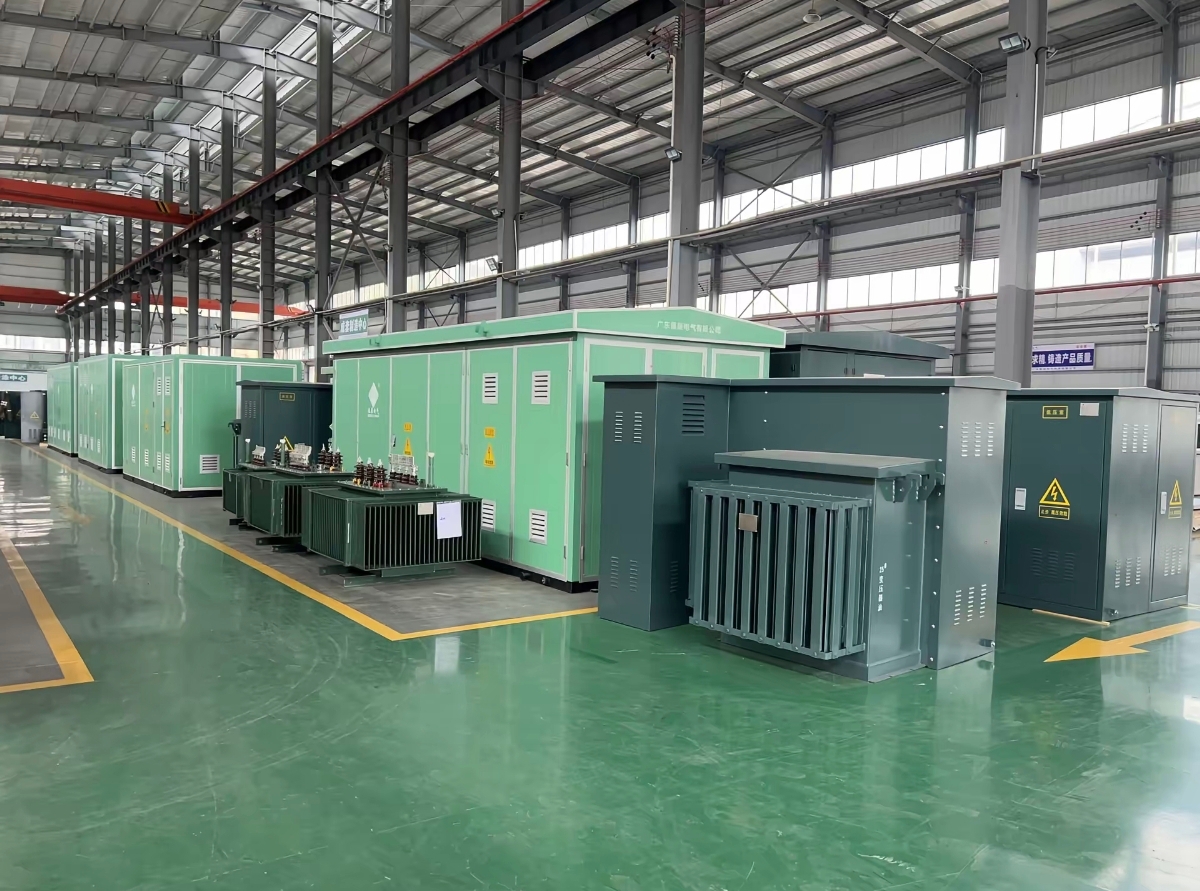
Before any transformer leaves the factory floor, it must undergo rigorous factory testing to ensure reliable performance and safety in the field. Manufacturers implement comprehensive quality control protocols that verify electrical characteristics, insulation integrity, and mechanical soundness. These factory testing procedures protect both the equipment manufacturer and the end user by catching defects early and documenting performance through detailed test reports.
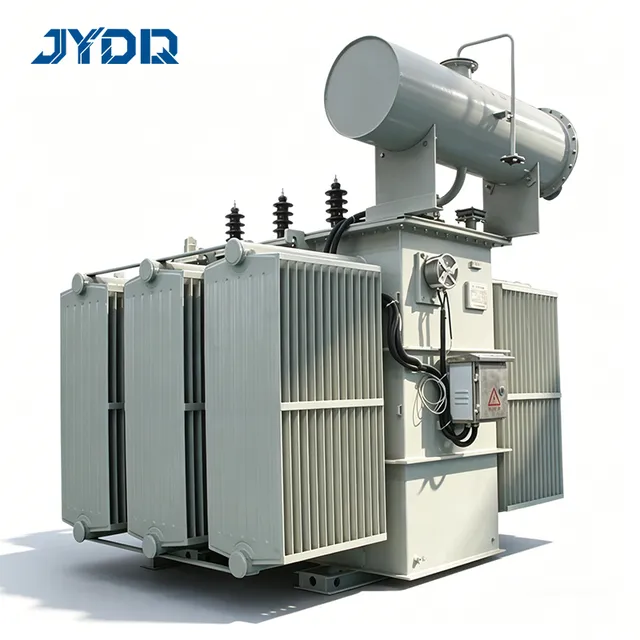
The test report generated during factory testing serves as proof of compliance with applicable standards and customer specifications. Each test performed contributes to the overall quality control framework that industrial buyers rely on when selecting transformers for critical applications. Understanding which tests are essential helps procurement teams evaluate vendor capabilities and ensures the equipment meets operational demands from day one.
Core Electrical Performance Tests
Insulation Resistance and Dielectric Strength
Insulation resistance testing measures how well the transformer windings resist electrical current flow through the insulation material. Factory testing for insulation resistance typically uses megohm meters that apply high voltage at low current to detect any moisture or contamination in the insulation system. A quality control technician compares measured values against manufacturer specifications and industry standards to confirm the insulation quality is adequate for long-term service.
Dielectric strength testing applies a high voltage across the insulation for a specified duration to verify it will not break down under stress. This factory testing step simulates worst-case electrical conditions and ensures the transformer can withstand transient overvoltages from lightning strikes or switching events. The test report must document both the applied voltage and the time period without breakdown to prove the insulation meets safety requirements.
Turns Ratio and Polarity Verification
Turns ratio testing confirms the transformer winding ratio matches design specifications and ensures proper voltage transformation. Factory testing measures the actual voltage output on the secondary winding when a known voltage is applied to the primary winding. This quality control check prevents field installation problems where incorrect voltage ratios would damage connected equipment or fail to supply proper power levels.
Polarity verification during factory testing confirms the transformer connections follow the specified winding direction and phasing. The test report must show that primary and secondary windings are connected correctly relative to each other, which is critical for three-phase transformers or systems with multiple units operating in parallel. Incorrect polarity discovered during factory testing can be corrected before the equipment ships.
Thermal and Mechanical Quality Control
Resistance and Heat Rise Measurements
Resistance testing measures the copper windings in the transformer to calculate expected heat rise under full load conditions. Factory testing uses a digital multimeter to measure direct current resistance while the transformer is de-energized, providing accurate baseline data. The quality control team compares measured resistance values against calculated values to detect winding problems such as broken strands, loose connections, or manufacturing defects.
Heat rise testing applies the transformer's rated current for a specified time and monitors temperature rise in the windings and oil. This factory testing procedure validates that the transformer cooling system functions properly and heat dissipates adequately under normal operating loads. The test report documents temperature measurements at various points to confirm the transformer operates within design limits and will not overheat in service.
Mechanical and Oil Quality Inspection
Visual and mechanical inspection during factory testing examines the transformer tank, cooling fins, bushings, and all external components for manufacturing defects or damage. Quality control technicians look for dents, misalignment, loose bolts, corrosion, and paint defects that could affect long-term reliability or appearance. The test report includes photographs and detailed notes on the condition of all inspected areas.
Oil quality testing analyzes the transformer insulating oil for moisture content, acid number, breakdown voltage, and contamination levels. Factory testing confirms the oil meets purity standards before the equipment operates, since contaminated oil can degrade insulation and accelerate transformer aging. Quality control labs perform tests such as Karl Fischer titration for moisture measurement and maintain detailed test report documentation of all results.
Specialized Tests and Compliance Documentation
Impulse and Withstand Voltage Testing
Impulse voltage testing applies a lightning impulse waveform to the transformer windings to simulate the most severe voltage stresses the equipment will experience in service. Factory testing subjects the transformer to multiple impulse pulses at specified voltage levels while monitoring for any signs of insulation failure. The quality control procedure ensures the transformer can withstand transient overvoltages without puncturing or degrading the insulation.
Power frequency withstand voltage testing applies a sustained sinusoidal voltage at normal power frequency for a set duration to verify insulation integrity under steady-state stress. This factory testing is less severe than impulse testing but confirms the transformer can handle typical operating voltages plus a safety margin. The test report records the applied voltage, duration, and any observations indicating the transformer passed or failed the quality control acceptance criteria.
Test Report Generation and Standards Compliance
The comprehensive test report generated during factory testing documents all measurements, test procedures, dates, and results in a format that satisfies customer requirements and industry standards such as IEC 60076 or IEEE C57.12. Quality control managers ensure every test performed is recorded with clear pass or fail status and measurements are traceable to calibrated instruments. The test report serves as the official record of the transformer's condition when it leaves the factory and provides evidence of compliance for warranty and liability purposes.
Traceability and documentation are essential components of the quality control system, as test reports may be reviewed years later if performance issues arise in the field. Factory testing procedures require technicians to record ambient temperature, humidity, instrument calibration dates, and operator identification. The final test report is signed by quality control personnel who certify that all procedures were completed according to specifications and the transformer meets all acceptance criteria for shipment.
FAQ
What happens if a transformer fails factory testing?
If a transformer fails any critical factory testing procedure, the quality control team must determine whether the issue can be repaired or if the entire unit must be scrapped. Minor defects discovered during testing may be corrected and the unit retested to verify the repair resolved the problem. The test report documents all failures and corrective actions taken, and the equipment cannot leave the factory until all tests are passed and quality control approves shipment.
How often should factory testing procedures be audited?
Manufacturers typically audit their factory testing and quality control procedures annually or whenever significant changes are made to equipment design, manufacturing processes, or applicable standards. Third-party audits by certification bodies may also be required to maintain compliance with industry standards and customer contracts. Regular audits ensure that all factory testing procedures remain effective and that test report documentation meets current regulatory and customer requirements.
Are factory testing results guaranteed to prevent field failures?
While comprehensive factory testing and quality control procedures significantly reduce the risk of early transformer failures, field performance also depends on proper installation, maintenance, and operating conditions. Factory testing verifies the transformer meets design specifications at the time of manufacture, but external factors such as overloads, environmental exposure, or inadequate cooling can cause problems in service. The test report provides evidence that the transformer was delivered in proper condition, but ongoing maintenance and monitoring are necessary to ensure continued reliability throughout its operational life.

 EN