The operating mechanism condition in a vacuum circuit breaker represents one of the most critical factors determining reliable electrical protection and system longevity. Understanding why this aspect deserves attention helps industrial facilities, utilities, and electrical engineers make informed decisions about equipment selection, maintenance protocols, and operational safety. A well-maintained operating mechanism ensures that the vacuum circuit breaker responds instantly to faults, protects connected equipment, and minimizes unplanned downtime across electrical networks.
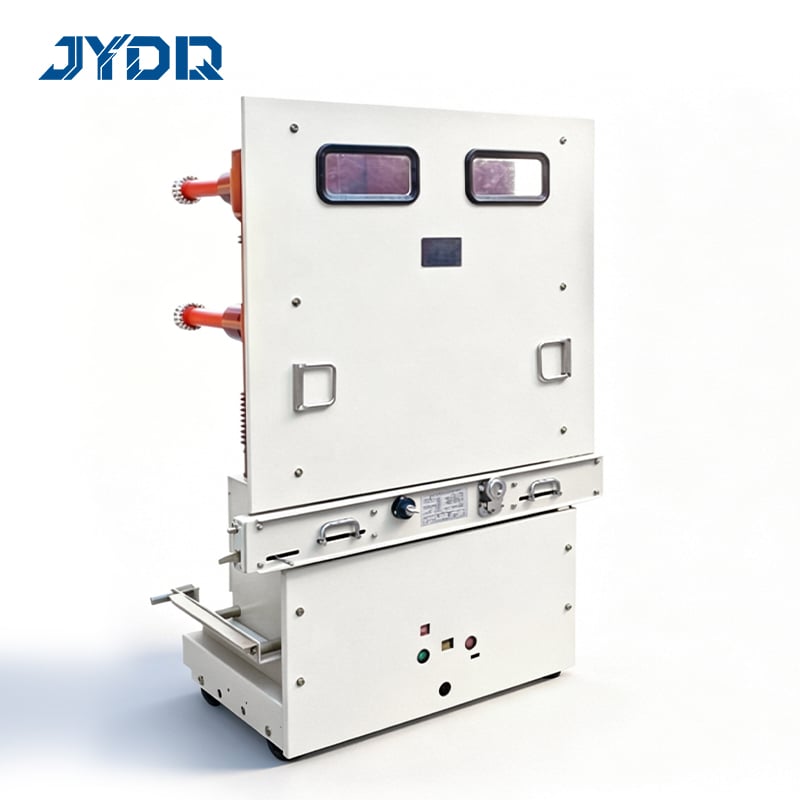
Every vacuum circuit breaker relies on precise mechanical coordination between multiple components to achieve interruption speed, repeatability, and durability under demanding industrial conditions. The operating mechanism drives the contact arm, manages stored energy, and controls the timing of contact separation within milliseconds. When the operating mechanism operates under suboptimal conditions, latency increases, contact wear accelerates, and the entire protective function deteriorates. This article explores the technical and operational importance of maintaining peak operating mechanism performance, examines the role of spring mechanism components, and outlines practical maintenance strategies that extend equipment life and enhance system reliability.
Why Operating Mechanism Condition Directly Impacts Performance
Fault Interruption Speed and Reliability
The operating mechanism determines how quickly the vacuum circuit breaker can interrupt current when a fault occurs. Modern grids demand interruption within half-cycles, and any delay in mechanism response cascades into delayed fault clearing. A degraded operating mechanism introduces hesitation, mechanical friction, and inconsistent contact travel, each contributing to slower response times. This slowness increases thermal and magnetic stress on conductors, risking equipment damage before protection activates. Industrial facilities processing sensitive materials cannot tolerate such delays, making operating mechanism condition a non-negotiable safety priority.
Repeatability and Consistency
Consistency across multiple operations distinguishes reliable protective equipment from unreliable alternatives. A vacuum circuit breaker with excellent operating mechanism condition delivers identical interruption performance on the first operation and the hundredth. Wear, corrosion, or misalignment in the operating mechanism introduces variability that undermines confidence in protective action. Maintenance that preserves operating mechanism consistency ensures that utilities and industrial operators can rely on predictable equipment behavior across decades of service, reducing unexpected failures and supporting system planning confidence.
Spring Mechanism Components and Structural Importance
Energy Storage and Release Functions
The spring mechanism serves as the primary energy reservoir within the vacuum circuit breaker's operating mechanism. During normal operation, springs store mechanical energy that drives rapid contact separation when trip signals activate. High-quality spring mechanism design ensures that stored energy remains sufficient throughout the vacuum circuit breaker's service life, even after thousands of operations. Springs experience fatigue, relaxation, and stress corrosion in industrial environments, gradually losing force and responsiveness. Regular inspection and maintenance of the spring mechanism prevents energy loss that would otherwise slow contact separation and compromise interruption effectiveness.
Load Balancing and Contact Force Management
Within the operating mechanism, the spring mechanism also balances mechanical loads and maintains proper contact force during closed position. Adequate contact force prevents arcing during low-level faults, reduces transitional heating, and minimizes contact erosion. Degraded spring mechanism performance allows contacts to lift prematurely, introducing arc initiation in the vacuum chamber and accelerating contact material transfer. Engineers must verify spring mechanism prestress, load characteristics, and fatigue resistance during initial equipment selection and thereafter during routine maintenance cycles. This attention preserves the reliability that industrial customers demand from protective equipment.
Maintenance Protocols for Operating Mechanism Longevity
Condition Assessment and Predictive Monitoring
Modern operating mechanism maintenance begins with systematic condition assessment, identifying wear patterns, corrosion, and mechanical degradation before failures occur. Visual inspection of mechanism linkages, pivot points, and spring mechanism components provides immediate insights into service condition. Advanced facilities employ vibration analysis, thermal imaging, and electrical performance testing to quantify operating mechanism state without disassembly. Predictive maintenance data reveals when maintenance becomes necessary rather than operating on fixed schedules, optimizing both safety and cost efficiency. Vacuum circuit breaker operators benefit from condition-based maintenance that postpones unnecessary interventions while ensuring protective reliability.
Preventive Lubrication and Corrosion Control
Friction within the operating mechanism reduces interruption speed and increases mechanical wear, making appropriate lubrication essential to performance preservation. Modern lubricants must resist temperature extremes, maintain viscosity stability, and avoid contaminating the vacuum chamber if migration occurs. Corrosion resistance protects ferrous components in the operating mechanism from atmospheric and chemical degradation that accelerates wear and stiffness. Scheduled lubrication intervals, material compatibility verification, and documented maintenance records ensure consistent operating mechanism condition across the vacuum circuit breaker's operational life. Industrial facilities that implement rigorous lubrication and corrosion control protocols report significantly extended equipment longevity and improved protective response times.
Practical Implementation and Business Value
Integration into Facility Maintenance Programs
Effective operating mechanism maintenance requires integration into broader facility electrical maintenance programs, supported by trained personnel and documented procedures. Technicians must understand vacuum circuit breaker design principles, spring mechanism characteristics, and performance indicators that signal maintenance requirements. Scheduled training updates personnel on emerging maintenance technologies and design evolution within protective equipment. Facilities that prioritize comprehensive operating mechanism maintenance experience fewer unexpected outages, reduced emergency repair costs, and enhanced confidence in protective system reliability. This strategic maintenance investment directly impacts operational uptime and extends the economic life of installed vacuum circuit breaker equipment.
Regulatory Compliance and Risk Mitigation
Industrial and utility regulatory frameworks increasingly mandate documented maintenance of protective equipment, including detailed operating mechanism condition records. Compliance with these standards requires systematic assessment, maintenance execution, and performance verification that contemporary operating mechanism maintenance protocols deliver. Failure to maintain optimal operating mechanism condition exposes facilities to regulatory citations, liability exposure, and potential safety incidents. Proactive maintenance that preserves operating mechanism reliability simultaneously satisfies regulatory requirements and mitigates operational risk.
FAQ
How often should operating mechanism condition be evaluated in a vacuum circuit breaker?
Operating mechanism condition should be assessed annually for most industrial installations, with more frequent evaluation in high-stress environments or facilities with aggressive maintenance targets. High-duty stations may require condition checks every six months to ensure spring mechanism performance and mechanical reliability remain within specification. Condition-based monitoring can extend or reduce intervals based on measured performance data rather than operating on fixed schedules alone.
What warning signs indicate declining spring mechanism performance in operating mechanisms?
Increasing travel time during trip operations, audible mechanical noise, visible corrosion on linkages, and reduced contact force measurements indicate degrading spring mechanism condition. Electronic trip coils requiring higher current to activate, or contact bounce during interruption, also suggest spring mechanism relaxation or wear. Any deviation from baseline performance metrics recorded during initial commissioning warrants immediate operating mechanism inspection and corrective maintenance.
Can operating mechanism condition be restored through maintenance, or must components be replaced?
Many operating mechanism condition issues respond well to comprehensive maintenance including cleaning, lubrication adjustment, corrosion treatment, and component realignment. However, springs experiencing permanent stress relaxation, severely corroded linkage components, or damaged actuating mechanisms may require replacement rather than restoration. Expert assessment distinguishes between maintenance-responsive degradation and component wear requiring replacement to restore full operating mechanism capability.

 EN